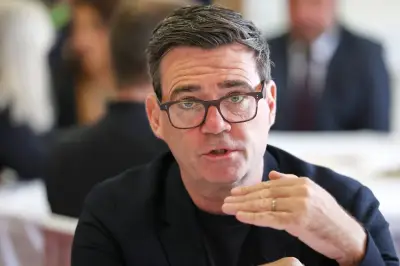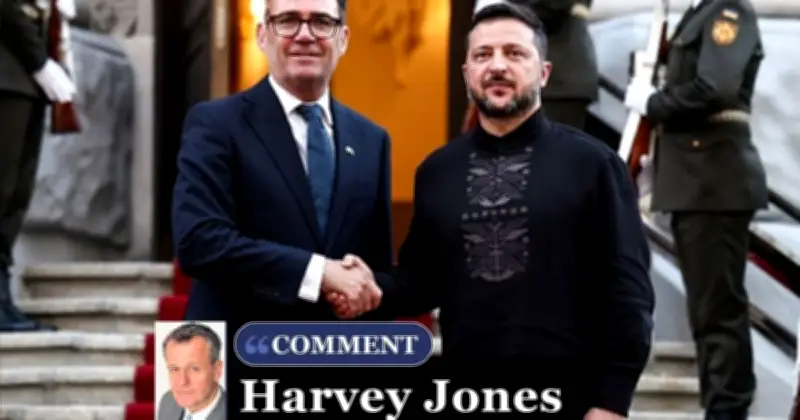
Andy Burnham has committed Britain to supporting Ukraine “100% against this illegal war led by Vladimir Putin”, a decision that carries far more dramatic consequences than his earlier policy announcements. While the move aligns with the stance of previous prime ministers, the Prime Minister must now confront the potential for Russian retaliation against British targets.
So far, Burnham has focused on smaller measures, such as removing VAT from electricity bills, cutting the bus fare cap to £2, and reducing business rates for pubs. The harder task of funding these policies and tackling larger issues like social care, council house building, welfare reform, immigration, and stopping the boats remains ahead. This week’s decision on Ukraine, however, is a simple one with potentially severe ramifications.
Risks of Russian Retaliation
Britain has been supplying increasingly advanced weaponry to Ukraine, including Storm Shadow missiles, and Ukrainian forces have used drones from two British companies in deep strikes against Russian territory. The Russian embassy has warned that handing Ukraine blueprints to manufacture Storm Shadow missiles will “add fuel to the fire” of the conflict.

Responding to such warnings, Burnham asked: “Who started the fire?” Yet the Prime Minister must recognise that words are insufficient in this “hot war”. If Britain backs Ukrainian strikes deep inside Russia, it must accept the possibility that Russia could strike back in some form.
While a missile attack on British cities is not expected, other avenues of harm exist. Moscow has openly warned it might target British military assets in Ukraine. Russia could also launch covert cyber-attacks against civilian infrastructure, such as the NHS or the transport system, or menace airports like Gatwick and Heathrow with drones, as has occurred in Germany. Attacks on undersea infrastructure and targeted assassinations of Ukrainian sympathisers in Britain are also possible.
Evidence of Russian Sabotage
Russia has already shown its capacity for sabotage in Britain. In 2024, a Russian-ordered arson attack targeted a London warehouse holding supplies destined for Ukraine, and two men were convicted over arson attacks on properties linked to Keir Starmer. Last month, a Russian naval vessel conducted a live-fire exercise around 40 nautical miles south of Plymouth, sending a clear message. Russia could also test NATO resolve with a kamikaze drone attack on a member state, such as one of the Baltic nations.
Despite frequent threats of World War III from Putin supporters, Russia has not initiated such a conflict. However, Britain is not mentally prepared for war. While the country has faced terror bombings since the Second World War, a conflict of this scale would be different, and the nation is not psychologically prepared for what Ukraine has endured.
Military Funding Gap
Britain is also not militarily prepared. The armed forces have been impoverished, and the Government's Defence Investment Plan has a £4.7 billion funding gap. Chancellor John Healey needs to fill that gap. Burnham is talking the talk, but he might soon have to walk the walk, and he is nowhere near ready to do so.