
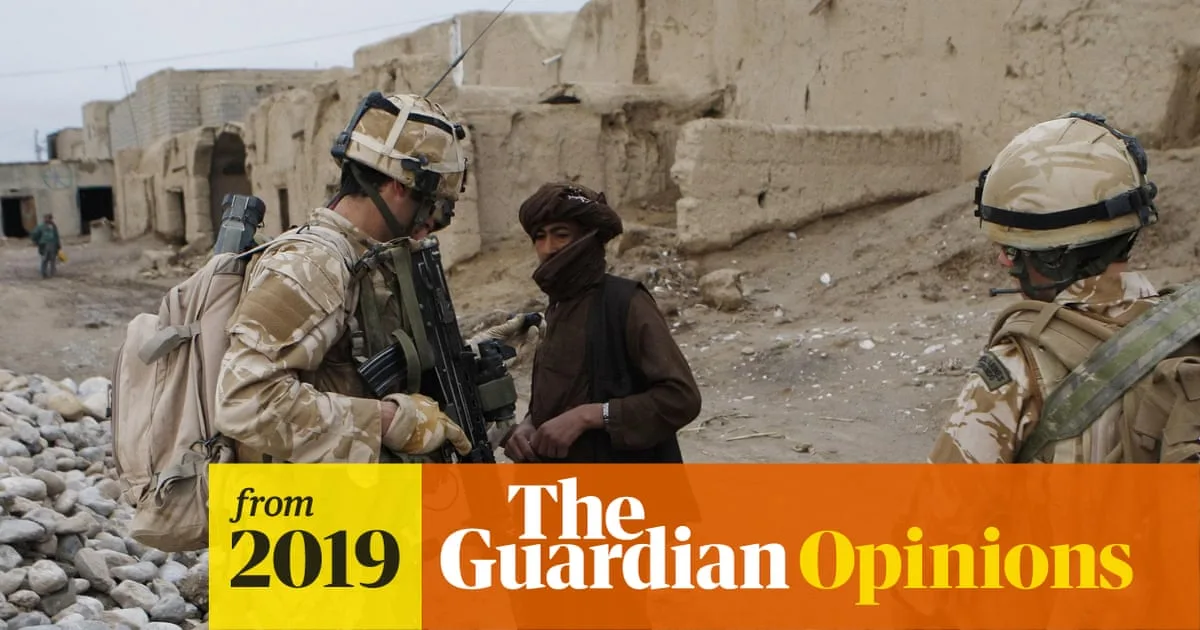
According to a recent analysis, the United States and Britain continue to fight prolonged wars in the Middle East despite facing no existential threat. The conflicts, which began after the 9/11 attacks, have cost trillions of dollars and thousands of lives, yet public support has waned significantly.
In the US, a Pew survey found that 62% of Americans believe the war in Afghanistan was not worth it, with similar figures for Iraq (59%) and Syria (58%). Among military veterans, disillusionment is even higher. In Britain, a 2015 YouGov poll showed support for Middle East intervention had fallen from two-thirds to one-third since 2003.
The financial and human toll is staggering: the US has spent $6.4 trillion and lost over 7,000 troops; Britain has lost 634 service members. Additionally, countless civilians have died, and ancient cities have been destroyed. Lord Bramall, a former chief of the defence staff, criticised the Iraq war as early as 2004, calling it erroneous and counter-productive.
Despite this, British politicians rarely call for withdrawal, even as drone strikes continue covertly in Syria and elsewhere. The wars have been described as some of the most costly and senseless of the post-imperial age, with no victory in sight.




