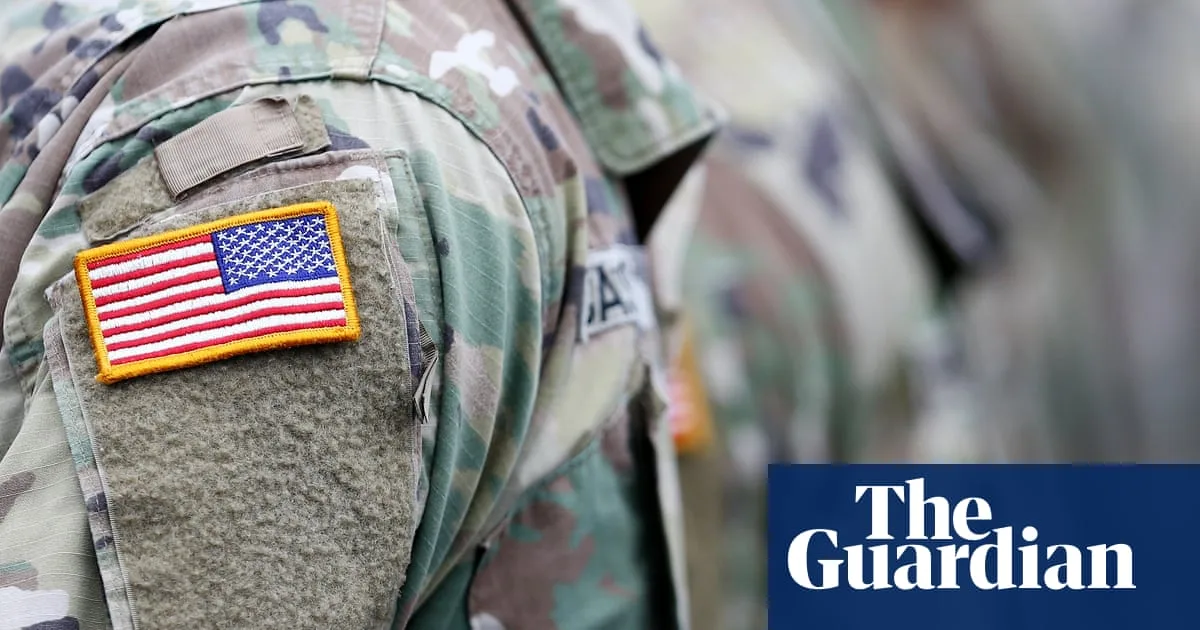
Army Overturns Ban on Asthma and Acne Recruits Amid Recruitment Crisis
Army Lifts Asthma and Acme Ban to Boost Recruitment Numbers

Army Scraps Decade-Old Health Bans to Tackle Recruitment Crisis

In a significant policy shift, the British Army has overturned rules that previously barred individuals with asthma or severe acne from joining the military. This move comes as the armed forces grapple with declining recruitment rates, exacerbated by ongoing global conflicts and a shrinking personnel base.

Defence Secretary Announces Reforms

Defence Secretary John Healey announced the change in September 2024 during the Labour Party Conference in Liverpool. He described the old medical policies as "outdated" and pledged to remove barriers that have prevented many applicants from enlisting. Healey emphasised that these reforms are part of broader efforts to address what the government terms a growing recruitment crisis across all military services.

The previous rules, which had been in place for over a decade, often led to the rejection of candidates with manageable or historical health conditions. Under the old guidelines, applicants with severe acne could be deemed unfit if the condition interfered with wearing military kit or operating equipment. Similarly, those currently requiring treatment for asthma were generally ineligible, though exceptions were made based on factors like age at treatment and symptom severity.

Wide Pickt banner — collaborative shopping lists app for Telegram, phone mockup with grocery list

Impact on Recruitment Numbers

Medical issues have been the most common reason for rejecting potential recruits in recent years. Over the past five years, more than 76,000 applicants were turned away on medical grounds. The regular army now stands at approximately 74,296 personnel, down from around 79,330 in October 2019, highlighting the urgency of boosting recruitment.

Healey argued that reviewing these health restrictions could expand the pool of potential recruits without compromising military standards. He also highlighted the need to modernise the application process, noting that pay increases alone—such as a six percent rise confirmed in early 2024—are insufficient to solve the recruitment problem.

Embracing Technological Skills

In his speech, Healey encouraged talented video game players to consider careers in military cyber defence, suggesting their skills are valuable in modern warfare. "If you are a top gamer - your country needs you," he told Labour activists. He pointed to the conflict in Ukraine as an example of how battlefield technology, including drones and cyber capabilities, is transforming combat.

Healey explained that drone pilots require many of the same skills as console gamers, and the military is actively seeking individuals with these technological aptitudes. This focus on modern skills aligns with efforts to adapt the armed forces to new global threats and a rapidly changing battlefield.

Broader Modernisation Efforts

Recruitment challenges have prompted multiple attempts to update military policies in recent years. Under the previous government, restrictions on beards and facial hair were relaxed to make service life more appealing. Healey assured that any reforms would maintain the highest standards while ensuring the armed forces better reflect modern Britain and remain combat-ready.

In his conference address, Healey stated, "We will create an Armed Forces that draws the very best of British talent. Better fit to fight, and better reflecting the country they defend." This commitment underscores Labour's priority to boost recruitment as the army faces its smallest size in two centuries.

The Ministry of Defence continues to review individual applications and appeals, but the overturning of these specific health bans marks a pivotal step in addressing the recruitment shortfall and adapting to contemporary needs.

Pickt after-article banner — collaborative shopping lists app with family illustration




