
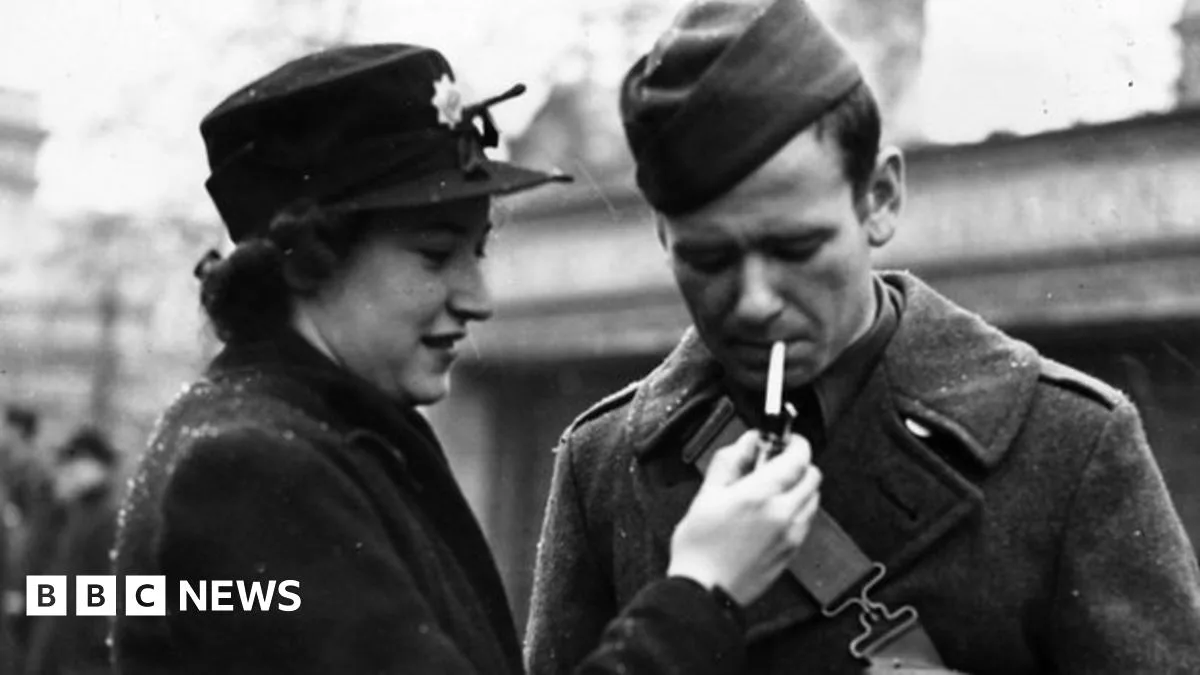
Seventy years after the first American GIs landed on British soil during World War II, the legacy of their presence continues to influence British perceptions of Americans. Before the war, many Britons knew Americans only through Hollywood films, expecting gangsters or heroes. The reality, however, was a shock.
GIs arrived in 1942 with candy, Coca-Cola, cigarettes and nylon, and their generosity and higher pay—five times that of a British soldier—made them popular. Around 70,000 British women became GI brides. Children would ask, 'Got any gum, chum?' But the influx also brought social tension and introduced segregation, as around 100,000 black US troops were stationed in the UK, far outnumbering the existing black population.
Despite a common language, differences quickly emerged. GIs were described as 'overpaid, oversexed and over here', while they retorted that the British were 'underpaid, undersexed and under Eisenhower'. Women noted GIs' odd eating habits and tendency to flaunt money. Yet, the GIs injected money into the economy and brought pinball machines, jukeboxes and the jitterbug, spreading R&B, blues and jazz.
Personal contact with GIs helped Britons see beyond the movie image. Historian David Reynolds notes that it 'penetrated beyond the movie image of glossy Americans into a discovery that they were human beings, warts and all'. The period strengthened the 'special relationship' between the UK and US, a phrase coined by Winston Churchill.




