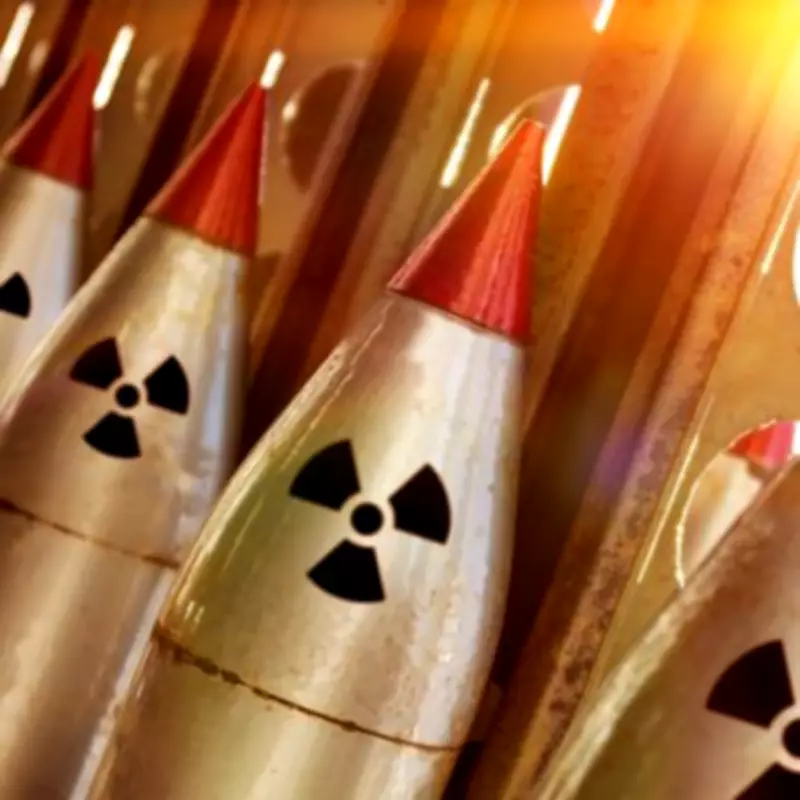
11 Times Humanity Teetered on the Nuclear Brink and the Fragile Threads That Saved Us
Nuclear armageddon has lurked just a button-press away on numerous occasions since the atomic age dawned, yet surprisingly few of these crises stemmed from outright warfare. Instead, a perilous cocktail of human error, technological glitches, and sheer paranoia has repeatedly brought the world to the edge of annihilation, starkly contradicting the notion that mutually assured destruction guarantees safety. The full gravity of these near-catastrophes often only emerged years later, underscoring how modern civilization's survival has frequently hinged on the intuition of single individuals or the whims of malfunctioning computers.
These harrowing episodes serve as a sobering reminder that as long as nuclear weapons exist, our continued existence is far from assured. The transition from the Cold War to today's multipolar world has only compounded the complexities of this hair-trigger reality, making the lessons from these 11 stories more urgent than ever. Ultimately, they warn that in the nuclear age, it may only be a matter of time before our collective luck finally runs out.
1958: Taiwan Strait Crisis
During this tense standoff, China shelled offshore islands controlled by Taiwan, prompting some in Washington to advocate for nuclear strikes to break a blockade and deter a potential invasion. Fortunately, cooler heads prevailed, and the crisis was resolved through conventional military force and diplomatic efforts, avoiding the unthinkable horror of mushroom clouds.

1962: The Cuban Missile Crisis
For 13 agonizing days, the United States and the Soviet Union engaged in a high-stakes confrontation over missiles stationed in Cuba. While this event is widely known, the most chilling aspect lies in what remained hidden from public view. A Soviet submarine, B‑59, cornered by U.S. depth charges, had a nuclear torpedo primed for launch. It was the solitary refusal of Vasili Arkhipov to authorize firing that likely prevented a catastrophic exchange, potentially saving tens of millions of lives.
1967: Solar Storm Scare
A powerful solar flare disrupted U.S. early-warning radars and communications, mimicking the effects of an enemy attack. Missile sites were placed on high alert, but timely intervention by Air Force space weather experts identified the true cause, halting orders to escalate and averting a potential nuclear response.
1969: The Sino-Soviet Border Clashes
Gunfights along a frozen river between China and the USSR escalated into discussions of pre-emptive nuclear strikes. The United States discreetly warned Moscow against such actions, and the shooting ceased before the situation spiraled into the unthinkable, highlighting the delicate balance of power during this period.
1973: Yom Kippur War
As Israeli forces struggled in the initial days of the conflict, the country reportedly prepared its nuclear warheads. In response, the U.S. elevated its alert status to DEFCON 3 to deter Soviet intervention. This maneuver succeeded but demonstrated how rapidly a regional war could draw nuclear powers to the brink of catastrophe.
1979: Training Tape That 'Launched' World War Three
At NORAD, a training tape depicting a massive Soviet first strike was accidentally fed into live warning systems. Screens illuminated with apparent threats, and crews scrambled to nuclear bombers. Only through rigorous double-checking with radar and satellite data was the false alarm confirmed, preventing a retaliatory strike.
1980: Computer Chip Glitch
A malfunctioning 46-cent microchip began generating phantom missile warnings, prompting U.S. crews to mobilize and waking the National Security Adviser in the dead of night. The world held its breath until cross-verifications revealed no incoming threats, showcasing how minor technological failures could precipitate global panic.
1983: Able Archer
NATO conducted a highly realistic exercise simulating the escalation to nuclear war, which Soviet observers—already on edge due to heightened tensions—interpreted as potential cover for an actual strike. Moscow placed nuclear-capable forces on alert, and only after the exercise concluded did the pressure subside. Many historians regard this as one of the closest brushes with nuclear disaster.

1983: Stanislav Petrov’s Call
Soviet satellites erroneously reported multiple U.S. missiles inbound, with protocols demanding immediate reporting and preparation for retaliation. Lieutenant Colonel Stanislav Petrov trusted his intuition, judging it a false alarm. He was correct; faulty sensors had mistaken the sun's reflection for launches. His decision not to escalate the alert likely averted a devastating retaliatory strike.
1995: The Norwegian Rocket
Scientists launched a research rocket to study the Northern Lights, but Russia's radars misidentified it as a U.S. nuclear missile. President Boris Yeltsin's nuclear briefcase, the 'Cheget,' was opened, and within minutes, commanders correctly assessed it was not an attack, narrowly avoiding a potential nuclear response.
1999 and 2001–02: India–Pakistan Standoffs
Following the Kargil conflict in 1999 and the Parliament attack in 2001, South Asia twice teetered on the edge of nuclear war. Missiles were mobilized, and leaders exchanged nuclear threats. Through intense diplomacy, international pressure, and restraint, both sides were pulled back from the brink, but the margin for error was perilously thin.
These incidents collectively underscore the fragility of our nuclear deterrence systems and the critical role of human judgment in preventing global catastrophe. As technology advances and geopolitical tensions evolve, the lessons from these near-misses remain vital for ensuring a safer future.