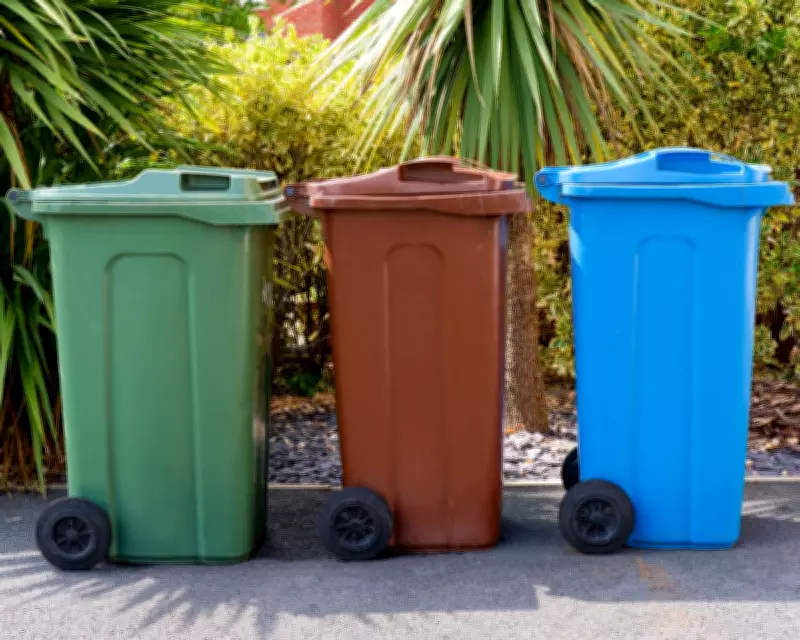
Wheelie Bin Used as Public Toilet Sparks Outrage Over Council Priorities
In a bizarre and distressing incident, a resident has reported that their wheelie bin was repeatedly used as a public toilet, leading to significant cleanup efforts and ultimately the purchase of a new bin. The situation has raised serious questions about local council priorities and the availability of public facilities.
Discovery of Human Waste in Bin
Last summer, the resident initially found what appeared to be dog waste in their wheelie bin, which was not entirely unusual given the heatwave. However, upon closer inspection, it became clear that the waste was unbagged and not canine in origin. This led to the shocking realization that someone had been using the bin as a makeshift toilet.
The logistics of such an act were perplexing. The bin would have needed to be moved from its usual spot, aligned with a wall, and accessed in a manner that required agility, as the culprit likely climbed onto a nearby bike shed in full view of the street. Despite the absurdity, the incident occurred again, confirming the grim reality.

Cleanup Efforts and Investigation
The resident and their neighbors attempted to clean the bin using bleach and buckets, but the contamination was too severe. Maggots infested the bin, making it unsalvageable, and they were forced to purchase a new one. The only clue to the perpetrator's identity was their apparent physical flexibility, as no other evidence was available without resorting to DNA testing.
Speculation arose about potential motives, such as revenge for minor disputes, but no concrete leads emerged. The incident left the community baffled and frustrated, highlighting the lack of public amenities in the area.
Council Response and Broader Issues
When a local councillor conducted an impromptu doorstep visit, the resident shared the story. The councillor expressed disgust but noted that the council's top priorities, after children's services, were parcel theft. While the resident acknowledged the importance of addressing theft, they pointed out that public infrastructure issues, such as dangerous paving, drug dealing, and the lack of public toilets, pose daily hazards.
The resident suggested that rebuilding public toilets could provide privacy and reduce such incidents, or even humorously proposed opening a toilet in their front garden to meet demand. This conversation underscored a disconnect between council priorities and community needs, with waste management and public health taking a backseat to other concerns.
Implications for Community and Policy
This incident serves as a stark reminder of the challenges faced by residents in areas with inadequate public facilities. It raises important questions about:
- Public Health Risks: The use of wheelie bins as toilets poses significant health hazards, including the spread of disease and infestation.
- Council Accountability: Residents are calling for greater attention to basic infrastructure, such as public toilets and safe walkways, over issues like parcel theft.
- Social Etiquette: The breakdown in communal respect and hygiene standards reflects broader societal issues that need addressing.
As communities grapple with limited resources, incidents like this highlight the urgent need for balanced policymaking that prioritizes both safety and sanitation. The resident's experience has sparked a wider conversation about the role of local government in maintaining public dignity and health.