

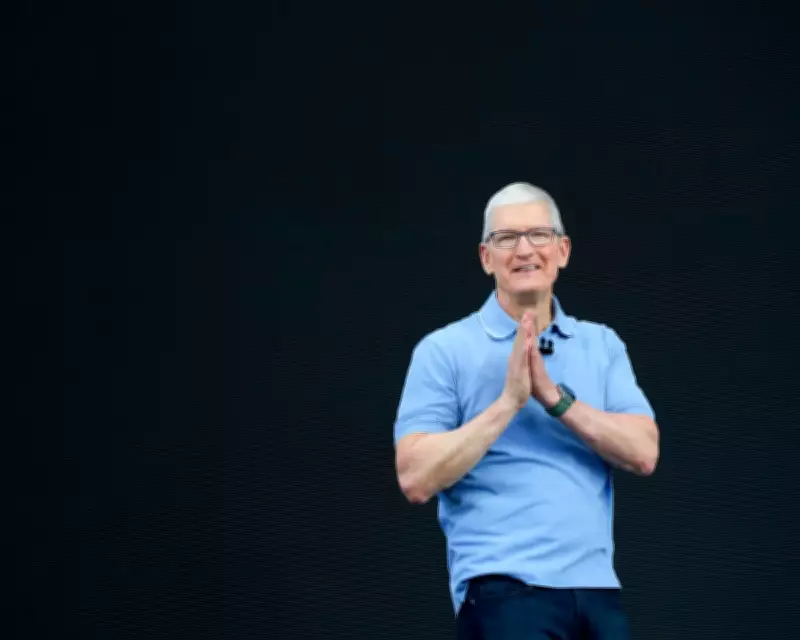
Tim Cook Transitions to Diplomatic Role as Apple's Executive Chair
Apple has announced a significant leadership transition that will see Tim Cook step down as chief executive officer after thirteen years at the helm. The technology giant revealed late on Monday that Cook, who succeeded Apple co-founder Steve Jobs in 2011, will be replaced by current head of hardware engineering John Ternus effective September 1st.
Despite relinquishing the CEO title, Cook will not be departing the company he has led through unprecedented global expansion. In a carefully orchestrated succession plan, Apple confirmed Cook will remain as "executive chair," a newly created position that will see him focus specifically on engaging with policymakers worldwide and managing the company's complex international relationships.
A Legacy of Operational Excellence
Cook, now 65, has built a formidable reputation as a master of operational efficiency and supply chain management during his tenure. While never achieving the visionary status of his predecessor Steve Jobs, Cook has successfully overseen Apple's transformation into a truly global enterprise with consistent product updates and remarkable financial performance.

"I love Apple with all of my being," Cook stated in the official press release announcing the leadership transition. His emotional declaration underscores the deep connection he maintains with the company he has served for over two decades, first as chief operating officer before ascending to the top position.
The Diplomatic Mandate
Apple's announcement provides clear insight into Cook's forthcoming responsibilities. As executive chair, his primary focus will be "engaging with policymakers around the world" – essentially serving as Apple's chief diplomat during an increasingly complex geopolitical landscape for technology companies.
Cook has already demonstrated considerable diplomatic prowess over the past decade, successfully navigating the turbulent trade war between former US President Donald Trump and Chinese leader Xi Jinping. His achievements include securing crucial tariff exemptions for iPhones and gradually shifting significant manufacturing operations from China to Vietnam and India without provoking Beijing's ire.
The New York Times has previously described Cook as "the technology industry's leading diplomat," a designation first used in 2018 that has only grown more relevant as global tech regulation intensifies. Remarkably, Cook has managed to maintain relationships across polarized political divides, even surviving Trump's infamous "Tim Apple" nickname during a 2019 public appearance.
The Successor: John Ternus
John Ternus, aged 50, represents continuity within Apple's leadership structure. A company veteran who joined in 2001, Ternus has risen through the hardware engineering ranks to become one of Apple's most respected internal leaders. The Wall Street Journal notes his reputation for "deft politicking inside the giant company," suggesting strong internal management capabilities.
However, Apple's language in the announcement indicates that Ternus, despite his engineering expertise and internal political skills, may lack the extensive outward-facing diplomatic experience necessary to manage Apple's global relationships. This apparent gap in international policy expertise explains why Cook will remain actively involved in managing what amounts to Apple's foreign policy apparatus.
The transition comes at a critical moment for Apple, which continues to navigate complex relationships with both Western and Eastern governments while maintaining its position as one of the world's most valuable companies. Cook's continued involvement suggests Apple recognizes the unique value of his diplomatic relationships and institutional knowledge.
Strategic Implications
This leadership structure creates an interesting division of responsibilities within Apple's upper echelons. Ternus will presumably focus on product development, operations, and day-to-day management, while Cook dedicates his attention to the increasingly crucial arena of global policy and regulation.

The arrangement acknowledges the growing importance of government relations for technology giants facing increased scrutiny worldwide. From antitrust investigations to data privacy regulations and international trade agreements, Apple's future success may depend as much on diplomatic maneuvering as technological innovation.
Cook's transition marks the end of an era for Apple, but his continued presence as executive chair ensures institutional stability during a period of significant change. His diplomatic portfolio will likely include managing relationships with European regulators, navigating US-China tensions, and addressing growing concerns about technology's societal impact across multiple continents.
As Apple prepares for this leadership transition, the technology industry will be watching closely to see how this unique power-sharing arrangement functions in practice. Cook's proven diplomatic skills will be tested as he navigates an increasingly complex global landscape for technology companies, while Ternus faces the formidable challenge of following one of the most successful CEOs in corporate history.





