

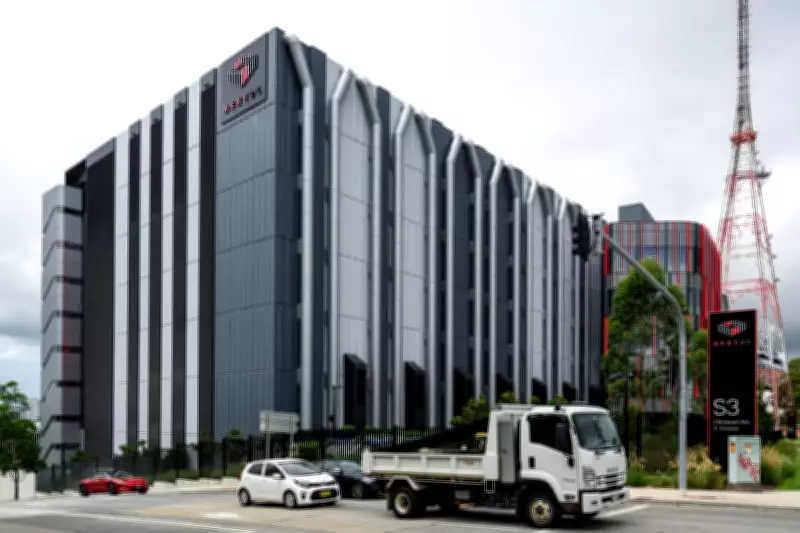
Sydney Councils Raise Alarms Over Datacentre Expansion Impacts
In submissions to a New South Wales datacentre inquiry, multiple Sydney councils have voiced significant concerns regarding the health, environmental, and amenity effects on their communities as the industry experiences rapid growth. The inquiry has highlighted fears that datacentre developments are displacing opportunities for housing and job-rich industries across the city.
Blackouts and Health Risks Emerge as Key Issues
Lane Cove Council, located on Sydney's northern shore, reported a noticeable increase in brownouts and blackouts in the Lane Cove West area since the expansion of datacentres. The council also pointed out that noise from these facilities could be offensive and disruptive for local residents and wildlife, with additional health concerns arising from the use of back-up diesel generators.
Similarly, the City of Ryde in northern Sydney noted that a cluster of twelve datacentres in Macquarie Park is directly competing with potential residential developments in locations that offer strong public transport access. One proposed facility on Lane Cove Road, within walking distance of the Macquarie Park metro station, could have been used for new homes in a well-serviced, strategically located precinct.

Water Supply and Housing Delays Exacerbate Concerns
The submission from Ryde Council revealed that added pressure on local water supplies from datacentres is delaying some already approved housing projects. This is because Sydney Water has been unable to meet the required water supply capacity, further straining the region's infrastructure.
Penrith City Council has urged the state government to pause further datacentre approvals until the utility servicing impacts, including water and power, for NSW in both the short and long term are fully understood. This call for caution reflects broader anxieties about the cumulative effects of datacentre clusters.
Cumulative Environmental and Social Impacts Highlighted
The Western Sydney Regional Organisation of Councils emphasized that the cumulative impact of noise, heat, and emissions from datacentre clusters is rarely considered in approvals for individual projects. At scale, these effects are significant, particularly in heat-vulnerable communities in western Sydney.
Without coordinated planning, the growth of datacentres risks compounding existing pressures on electricity networks, water systems, and local environments in western Sydney. This could constrain services needed to enable much-needed housing and infrastructure delivery in the region.
Staggering Resource Demands Revealed
Jess Miller, the deputy lord mayor for the City of Sydney, provided alarming statistics: if every datacentre proposed in the NSW planning portal is built, they would require about 4.4 gigawatts of power—equivalent to the electricity needs of 10 million households—and consume up to 25% of the city's drinking water by 2035.
The additional water use is estimated at 250 million litres per day by 2035, equivalent to the total production capacity of the Sydney Desalination Plant. A submission from the desalination plant indicated it could double capacity to help alleviate water supply risks, underscoring the scale of the challenge.
Industry Response and Government Actions
Data Centres Australia explained that the industry's electricity and water requirements are primarily related to cooling, as compute processes generate heat. The peak body stated that developers are investing in power purchase agreements for renewable energy and are keen to shift reliance off drinking water, but cited cost and supply barriers.
The industry body highlighted that non-potable recycled water represents an opportunity for datacentres, but affordability and availability from Sydney Water are key issues. They urged a focus on addressing system weaknesses, such as building more transmission and battery storage, rather than panicking.
The federal government released a set of national datacentre expectations in March, reflecting growing pressure on the industry to address energy and water use concerns. The NSW inquiry, with public hearings scheduled in May, is set to focus on effects on housing, land use, and local communities.

The Committee for Sydney noted the state lacks an overarching spatial strategy for datacentre deployment, with increasing calls from communities and local councils to ensure datacentres act as good corporate citizens. The prevailing narrative suggests datacentres are extractive, taking more than they give in terms of energy, water, and land.





