

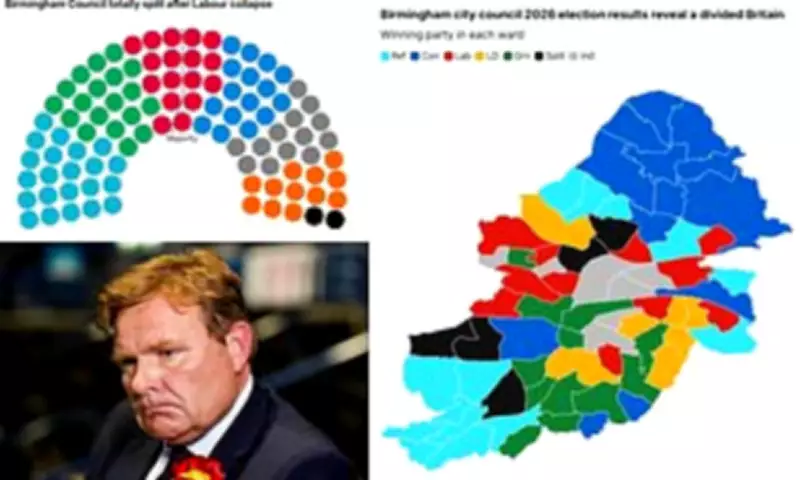
Reform UK could be prevented from running Birmingham City Council despite emerging as the largest party after Labour's collapse in last week's local elections. The city now claims to be England's most politically divided, with the authority split six ways.
Election Results and Coalition Prospects
Reform secured 22 seats, far short of the 51 needed for a majority on the 101-seat council, which manages a £4.4 billion budget. With only two seats left to declare, Reform leads the Greens (19 seats), Labour (17), Conservatives (16), and Liberal Democrats (12). Thirteen independent councillors were elected in former Labour strongholds with large Muslim communities, potentially holding the balance of power.
A Green-led coalition including Labour and the Liberal Democrats would need support from just three independents to reach a majority. However, significant obstacles remain, particularly whether the Greens and independents would cooperate with Labour. If no agreement is reached, infighting could ensue, further destabilising a council that declared effective bankruptcy in 2023.

Impact on Bin Strike and Local Governance
The inconclusive result may also undermine efforts to resolve the year-long bin strike, which has left piles of waste on Birmingham's streets. Labour lost control after 14 years, with outgoing leader John Cotton — who lost his seat — attributing the party's failure to messaging issues.
Labour's decline was partly driven by Muslim voters flocking to independent candidates running on sectarian lines and exploiting anger over the Gaza war. A coalition of independent Muslim candidates was organised by 'TikTok lawyer' Akhmed Yakoob and property developer Shakeel Afsar, who previously led protests against LGBT education in Birmingham schools. Their candidates won seats in Muslim-majority areas, including Nechells, where 19-year-old Mansuur Ahmed was elected.
The independents triumphed in former Labour strongholds like Alum Rock and Sparkbrook. Birmingham's Liberal Democrat leader expressed willingness to work with other parties and 'like-minded Independents' for the city's good, citing common ground in manifestos.
Tory leader Robert Alden stated: 'Birmingham has spoken and the result is a council with no one near control. But the issues facing Birmingham remain. A council in financial distress, a bin strike running for 17 months, and issues from badly run exempt accommodation to equal pay problems. The onus is on all councillors to find a way to produce a stable administration to finally clean up Birmingham and the city council.'






