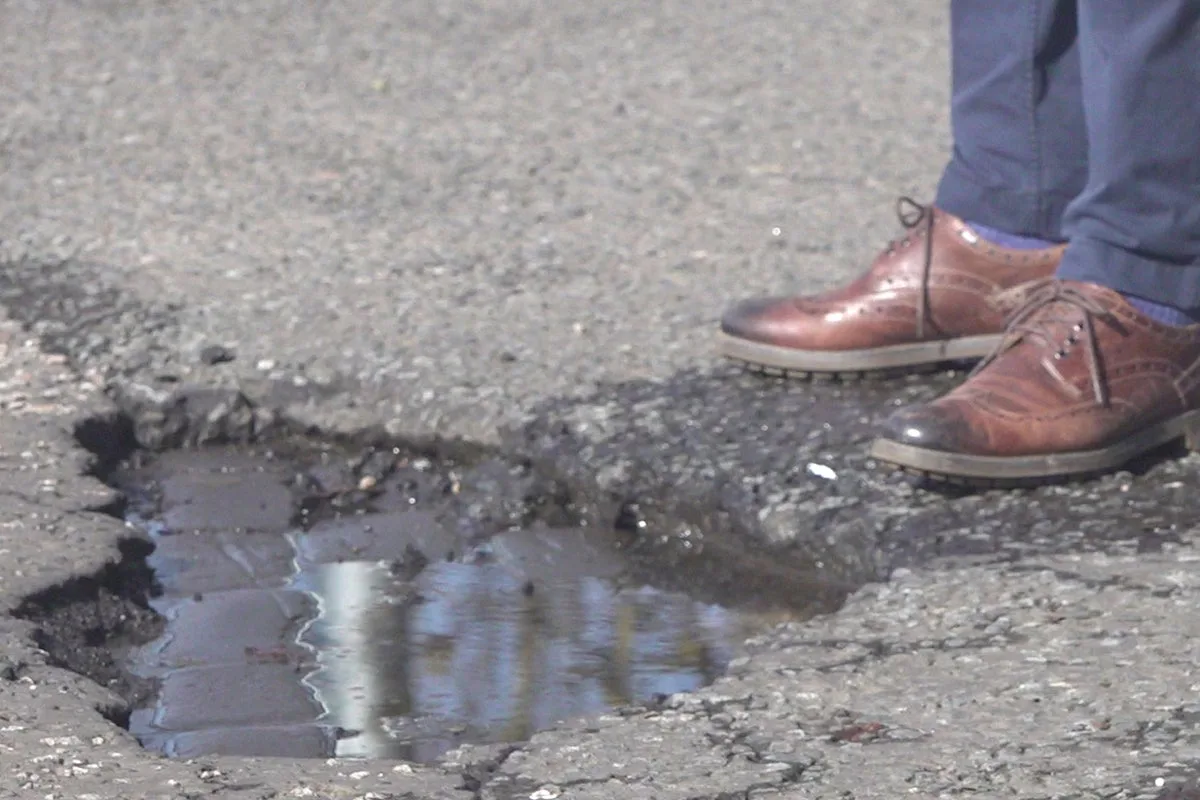
A parliamentary report has warned that Britain's pothole-ravaged streets, unsafe crossings, and lack of public benches are preventing older people from staying active, contributing to obesity, heart disease, and cancer. The health and social care select committee stated that inactivity has been 'designed' into daily life for older people and emphasised that exercise is as important as medicine.
In the UK, inactivity is linked to one in six deaths and costs an estimated £7.4 billion annually. The MPs called for removing 'policy, funding and accountability barriers' that have led to this situation, including local action to remedy poorly paved streets and unsafe crossings, along with better provision of toilets and seating, and national transport and planning decisions that facilitate movement.
The NHS recommends adults get at least 150 minutes of moderate-intensity aerobic activity weekly, such as brisk walking or cycling, plus strength and balance exercises twice a week. However, data shows 44 per cent of people aged 75 or older manage less than 30 minutes of moderate aerobic activity per week.

The committee also urged the Care Quality Commission to ensure exercise programmes are provided in care homes. The report stressed that 'frailty is not an inevitable or irreversible aspect of aging' and that physical activity can be more effective than drugs in preventing and managing many long-term conditions.
Age UK described the report as a 'wake-up call', with charity director Caroline Abrahams calling on national and local policymakers to make it easier for older people to keep moving as part of their daily lives.