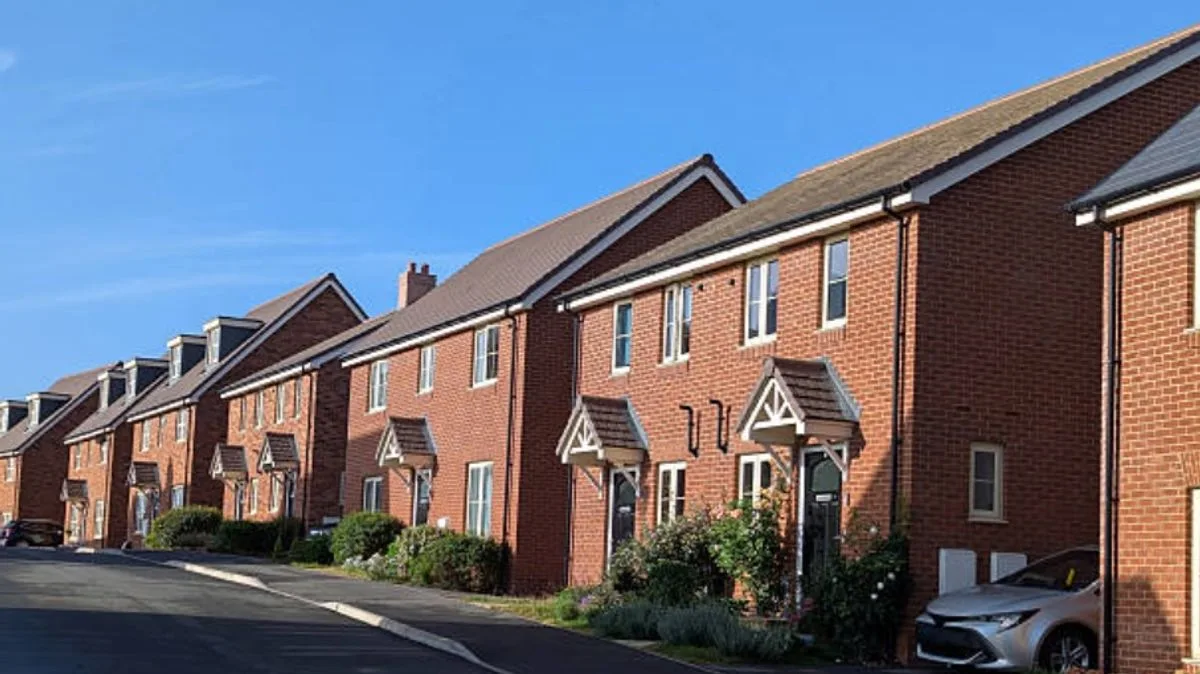
The Labour government is set to introduce tougher parking restrictions on new build homes, requiring councils to limit the number of spaces on housing developments. The plans, expected to be rolled out this week, aim to discourage car use and promote public transport, walking, and cycling.
Under the new proposals, councils will be forced to impose maximum parking standards rather than simply being allowed to consider them as an option. This means developers will have less flexibility to provide ample parking for new homes, potentially leading to increased congestion and illegal parking, critics warn.
Shadow Transport Secretary Richard Holden MP condemned the move, saying: 'Labour have ripped up the rulebook that protected families from parking misery and replaced it with a green light for councils to squeeze drivers – [it means] blocked pavements, congested roads, and tickets through the post. This is how the war on drivers works.'

Brian Gregory of the Alliance of British Drivers described the policy as 'a continuation of Labour’s intensifying war on road users', arguing that it will allow councils to raise more revenue from parking charges and enforcement while roads remain in poor condition.
Jack Cousens, head of roads policy for the AA, warned that tighter rules could backfire: 'Creating tighter rules on the number of spaces could backfire, with more illegal and dangerous parking. In many cases, it takes years before the local council adopts the road from the developer and can begin to make changes to ease the pressure.' He added that the proposed changes asking councils to be flexible could allow for more spaces to be installed if properly applied.
The Department for Transport has yet to comment, but the Telegraph understands the plans will be implemented this week, sparking debate over the balance between environmental goals and motorists' needs.