

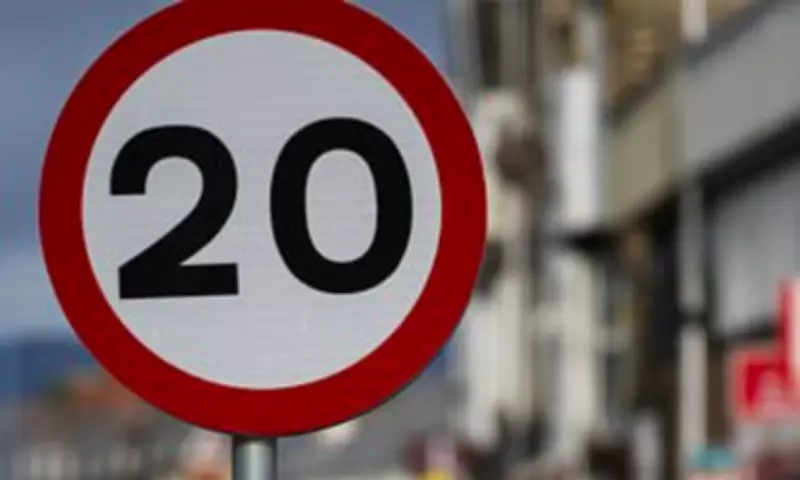
Local authorities have implemented the highest permissible council tax increases on residents to finance multi-million-pound expenditures for establishing new 20mph speed limit zones, according to recent disclosures. Gloucestershire County Council and Hertfordshire County Council have both announced proposals for a 4.99 per cent rise in council tax effective from April.
Maximum Tax Hike Details
This increase represents the maximum annual hike permitted under normal circumstances before councils are obligated to conduct a local referendum. The cap is composed of 2.99 per cent allocated for general spending and an additional 2 per cent adult social care precept. Both councils, which operate as minority administrations led by the Liberal Democrats, have stated that the extra revenue will be directed towards funding new 20mph zones.
Gloucestershire Council's Priorities
Lisa Spivey, the leader of Gloucestershire County Council, emphasized that 20mph zones, pothole repairs, and care services for adults and children are her authority's foremost priorities. She informed the BBC, "We're investing £2 million to initiate the rollout of our 20mph zones. Numerous individuals are killed or seriously injured on our roads annually, and we aim to effect meaningful change and reduce those figures."

Hertfordshire Council's Budget Plans
Hertfordshire County Council indicated that supplementary funding in its 2026/27 budget encompasses £1.5 million over two years "to enhance road safety by implementing new 20mph zones." The local authority further noted these zones would be established "in our communities where residents express a desire for them." It added, "Combined with a more efficient utilization of existing resources, this will facilitate the delivery of nearly 200 new 20mph zones."
Political Controversy and Debate
Matthew Hurst, a Reform UK councillor on Hertfordshire County Council, criticized the initiative as a "Lib Dem vanity project." He told the Telegraph, "With council finances stretched to their limits, this Lib Dem vanity project is unaffordable, unpopular, and entirely unnecessary. It offers no direct advantages to Hertfordshire residents. Compliance with these zones is notoriously low, casting doubt on their effectiveness." He also contended there is "scant evidence" that the zones substantially reduce incidents or save lives.
Liberal Democrat Defense
In contrast, Liberal Democrat councillor Paul Zukowskyj refuted these assertions and underscored that 20mph zones "enhance community safety and improve public sentiment regarding children walking to school." He added, "The data is unequivocal; there is a 25 per cent reduction in casualties following the introduction of such zones."
The debate highlights ongoing tensions between funding priorities and public safety initiatives in local governance, as councils navigate financial constraints while addressing community needs.






