The 2026 London local elections have delivered a seismic shift in the capital's political landscape, with Labour suffering substantial losses as Reform UK and the Green Party made significant inroads into traditional Labour heartlands. Every London council was contested, and the results have reshaped the balance of power across the city.
Green Party Triumphs in Key Mayoralties
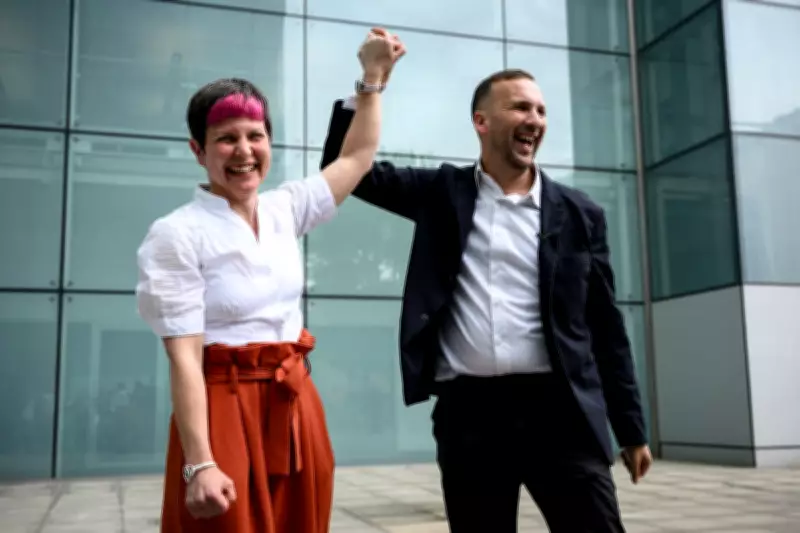
The Green Party achieved historic victories, winning the mayoralties in Hackney, Lewisham, and Waltham Forest. Zoë Garbett was elected mayor of Hackney, delivering a major blow to Labour. She used her victory speech to lambast the "failing Labour government" and declared that the borough "rejects hate and division." Speaking to The Independent after her win, Garbett said voters are "showing they really want that alternative" to the traditional parties. Zack Polanski, celebrating the Greens' success, declared that two-party politics is "dead and buried."
Labour Loses Strongholds
Labour's grip on London weakened considerably. The party lost control of several councils, including Lambeth, a former stronghold, which fell to no overall control with the Greens holding the most seats. The Greens also toppled a large Labour majority in Lewisham to take control of their third London council. Wandsworth, previously run by Labour, moved to no overall control, with the Conservatives becoming the largest party. However, Labour held on in some areas, including Hammersmith and Fulham, Ealing, Hounslow, Barking and Dagenham, Camden, Islington, and Greenwich, and narrowly won in Merton.

Reform UK Makes Major Gains
Nigel Farage's Reform UK gained hundreds of councillors across England, taking seats from Labour in dozens of councils. In London, Farage announced that Havering is "under new management" after his party won 28 seats to take overall control of the council. Reform UK also made significant gains in other parts of the capital, challenging Labour in its traditional heartlands.
Conservatives Recover Ground
The Conservatives regained control of Westminster City Council from Labour and held on to Kensington and Chelsea, Croydon, and Bexley, which was a target for Reform UK. They also retained control of Hillingdon, Harrow, and Bromley. In Wandsworth, the Tories became the largest party, though the council is now under no overall control.
Other Parties and No Overall Control
Aspire won the Tower Hamlets council election, securing an overall majority in the only London borough where it stands. The Liberal Democrats held on to Sutton, Richmond-upon-Thames, and Kingston-upon-Thames. A record number of London councils—nine—ended up with no overall control, the highest since the current system was established in 1964. Eight of these were previously Labour-controlled: Barnet, Brent, Enfield, Haringey, Lambeth, Newham, Southwark, and Wandsworth. Croydon remained in no overall control. The previous record of eight councils with no overall control was set in 2006.
Broader Context
These elections, held across 136 local authorities in England, represent the largest set of local elections in three years and a key test for all political parties. Labour's decline in popularity since becoming the governing party in 2024 has benefited the Greens, particularly among younger and more left-leaning voters. The results mark a dramatic shift in London's political landscape, which had been a Labour stronghold with majority control in 21 councils.