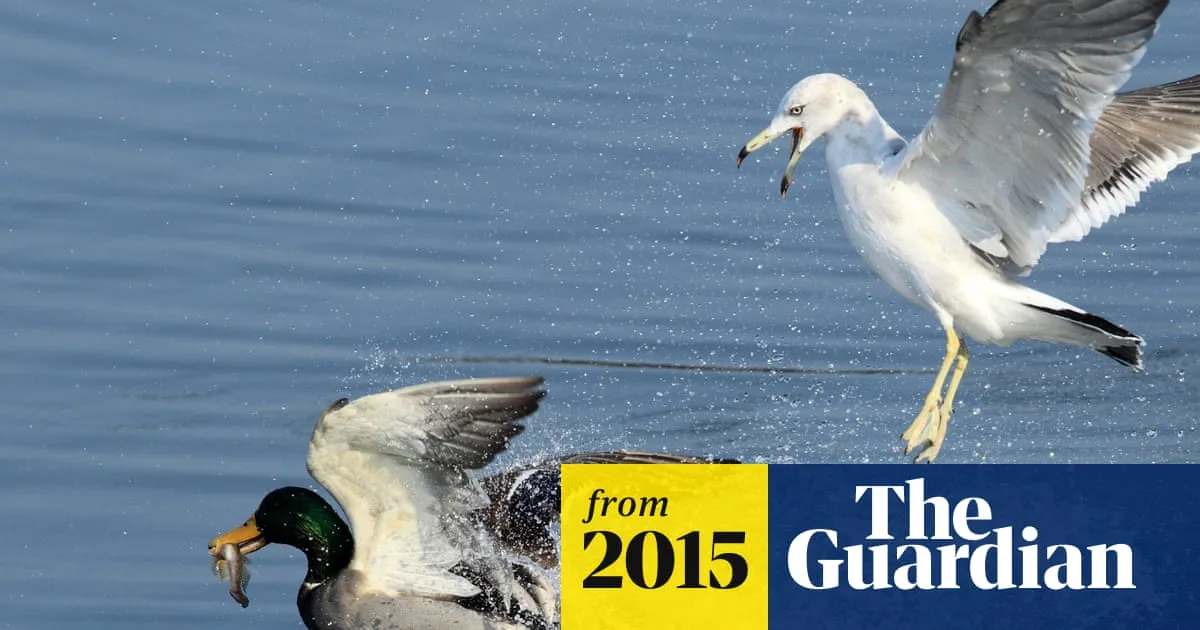
Inverness Council has spent £20,000 on urban gull control measures, reflecting a growing problem across the UK as seagulls increasingly nest on rooftops rather than cliffs. The birds have become a menace, ripping open bin bags, damaging property, and attacking pedestrians. Councils have been fighting a losing battle, with the government withdrawing £250,000 in funding for gull research after budget cuts.
Experts say councils waste millions on ineffective pest control. Peter Rock, an urban gull expert, notes that gull colonies have doubled since 2000 to at least 468. Methods like fake birds of prey or falconers are dismissed as guesswork. “Why would a large gull be afraid of a plastic eagle owl? It’s just another piece of plastic,” he said.
Some councils, including Plymouth and Bath, replace gull eggs with dummy eggs, but this is often ineffective as gulls re-lay. Herefordshire uses a “shock and awe” approach of removing nests repeatedly. Marc Willimont, a council official, said gulls vomit on people and attack, requiring hard hats. He also worries gulls drive out other birds, like ducks, which now nest in car parks.
Despite efforts, the gull population continues to grow. Rock concluded: “Pest control has achieved very little more than moving the problem around.”