

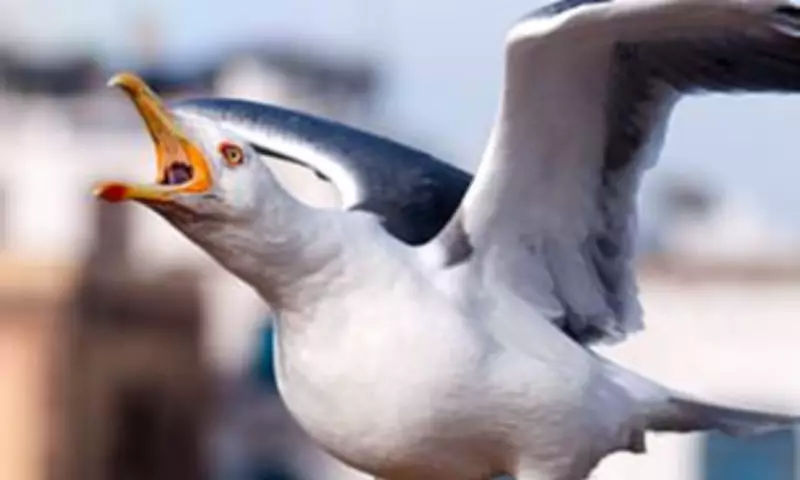
An action plan designed to reduce the spiralling numbers of menacing gulls and stop them 'terrorising toddlers' in a Scottish city has been heavily criticised for not going far enough. Highland Council's gull management policy faced sharp rebukes from Inverness councillors, who insisted that 'the gulls have won', having 'invaded and colonised' their city.
The authority outlined several measures intended to curb attacks on residents and humanely encourage the birds to relocate, with lethal control only to be used as a 'last resort'. However, Scottish Conservative member Isabelle MacKenzie suggested that 'Dr Dolittle may help us better in these circumstances at being able to talk to the animals'. She stated: 'Evidence shows that without intervention gull populations will grow. Previous measures for egg and nest removal were effective and proportional.'
The council plans to employ 'scaring devices and decoys', audio and visual deterrents such as 'street net lighting' to 'hinder severity of dive-bombing', along with 'kites, flags and reflective devices' and specialist anti-perch systems ahead of the breeding season. But Liberal Democrat councillor Alasdair Christie argued that by using non-invasive measures, 'we are actually handing over control to the gulls to take over our city'. He claimed the birds were 'terrorising' the community, particularly when 'we see some of the toddlers having food snatched out of their hands'. Christie added: 'People need to realise this is a serious issue. It's not frivolous and it's creating a bad look for our city. We should be doing far more.'

Highland Alliance member Duncan Macpherson questioned: 'Why suddenly have the gulls been given priority? I've been told the life expectancy of these gulls is 32 to 35 years – that is a prison sentence for families and businesses. I just want to double check – do the gulls have a vote and pay business rates? Because it would appear that the gulls are being treated better than the people of this area.' Fellow councillor Ken Gowans shared his own experience of being attacked, saying a 'gull swooped down and grabbed the sandwich from my hand'. He emphasised: 'These are not isolated cases.'
The chamber heard how toddlers had food snatched from them by birds 'a third of their size', and elderly residents were unable to sit out in their gardens, while secondary school children faced constant threats from dive-bombing gulls aiming for their lunch. The report presented to councillors also stated that primary children were 'prohibited' from eating outdoors 'due to aggressive gull behaviour'. Scottish Labour councillor Michael Gregson described the situation as 'almost like they've invaded and colonised', stressing it was 'an issue that was spreading across the city – not just one or two streets – but an epidemic, as far as I can see'.
Eleanor Hood, Senior Environmental Health Officer, said that egg and nest removal was not 'off the cards' but stressed the problem had evolved over the years and a new approach was required. However, she conceded: 'We can't do this alone.' The council estimates there are 1,500 adult birds, most of which are herring gulls, and more than 700 nesting sites within its boundaries. Scotland's nature body, NatureScot, has provided £20,000 to support the development of the plan, which was passed this week to 'address the challenges associated with urban gull activity in a balanced, lawful and sustainable manner'. A spokesman added: 'A good gull management plan with a clear set of actions is an essential tool in helping people and gulls live together.'






