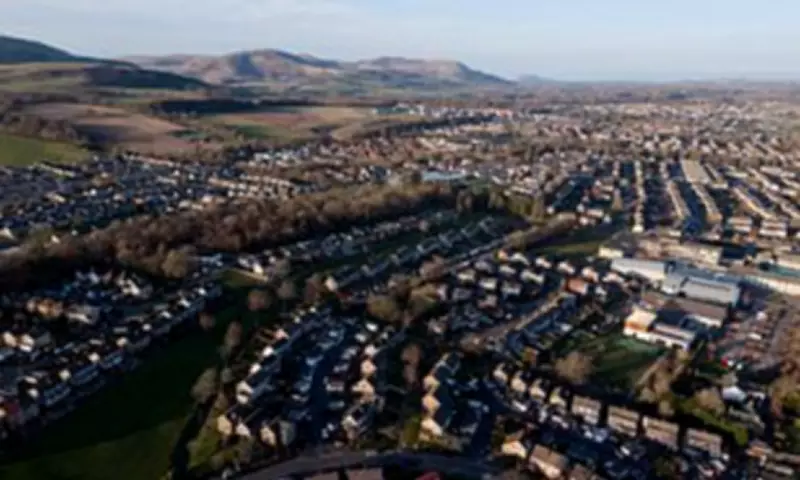
Edinburgh Council has dramatically suspended its plans to impose a 300 per cent council tax increase on second homeowners, merely eight days after the controversial policy came into effect. The Labour-run authority introduced the new billing regime on April 1, with council leader Jane Meagher arguing it would help alleviate housing shortages in the Scottish capital by discouraging property speculation.
Immediate Reversal Amid Public Outcry
The announcement triggered immediate backlash from local residents and property owners, many of whom blamed the Scottish National Party for granting councils unlimited powers to implement uncapped tax increases without adequate safeguards. In a stunning reversal, the city council announced on Thursday that the premium had been suspended indefinitely.
The council admitted in a statement that 'the introduction of the new premium required further work, including engagement with those affected and timing considerations.' Officials added that 'suspending the increase will allow the impact of the change to be further assessed to ensure it meets the Council’s policy objectives.'

Chaotic Implementation and Financial Fallout
During the brief period when the new tax regime was operational, numerous homeowners reported already being billed at the increased rate. According to The Telegraph, one property owner received an email on Wednesday notifying them of the reversal after £1,430 had already been withdrawn from their bank account. Under the suspended policy, owners of Band H properties would have faced annual council tax bills of £17,240—a fourfold increase from previous rates.
Political Criticism and Policy Failures
Scottish Conservative housing spokeswoman Meghan Gallacher described Labour's abrupt policy reversal as 'embarrassing' and indicative of poor planning. 'Homeowners will be relieved that this eye-watering council tax hike has been paused, but this embarrassing U-turn exposes just how rushed and badly thought out this policy was,' Gallacher stated.
She continued: 'The confusion is the direct result of SNP ministers giving councils the power to impose these punitive premiums without proper planning or safeguards. This policy is not a solution to the SNP's housing crisis. The only way to address the emergency is to deliver the volume of new homes Scotland desperately needs, which the Nationalists have lamentably failed to do.'
Definition and Scope of Second Homes
Second homes are officially defined as properties occupied for more than 25 days annually but not serving as a primary residence. Scotland currently has approximately 20,927 second homes, with the highest concentrations found in the Outer Hebrides and Argyll and Bute regions.
Divergent Approaches Across Scottish Councils
While Edinburgh has retreated from its aggressive taxation policy, other Scottish authorities have fully embraced their uncapped powers:
- Highland Council has implemented a matching 300 per cent increase on second home council tax
- Midlothian Council has gone even further with a 500 per cent premium
Joanna Marchong of the Adam Smith Institute criticized Midlothian Council for 'taking advantage of new powers to hit second homeowners with eye-watering tax hikes.' She warned: 'This sets a dangerous precedent. Councils should focus on getting their own house in order and boosting supply, not on measures that have moved from targeted policy into outright revenue-grabbing.'
Midlothian, located just south of Edinburgh with a population of approximately 100,000, encompasses towns including Bonnyrigg, Dalkeith and Penicuik.
National Reassessment of Second Home Taxation
Beyond Scotland, councils across the United Kingdom are reevaluating their approaches to second home taxation amid growing concerns that excessive premiums may damage local economies:

- Rushcliffe Borough Council in Nottinghamshire has proposed completely eliminating its second home premium
- Pembrokeshire Council in west Wales has reduced its charge twice over the past two years
Regulatory differences across the UK create varying approaches: English councils face a 100 per cent cap on second home tax increases, while Welsh authorities can implement premiums of up to 300 per cent. Edinburgh Council declined to comment when approached by The Daily Mail regarding the suspension of their controversial policy.