
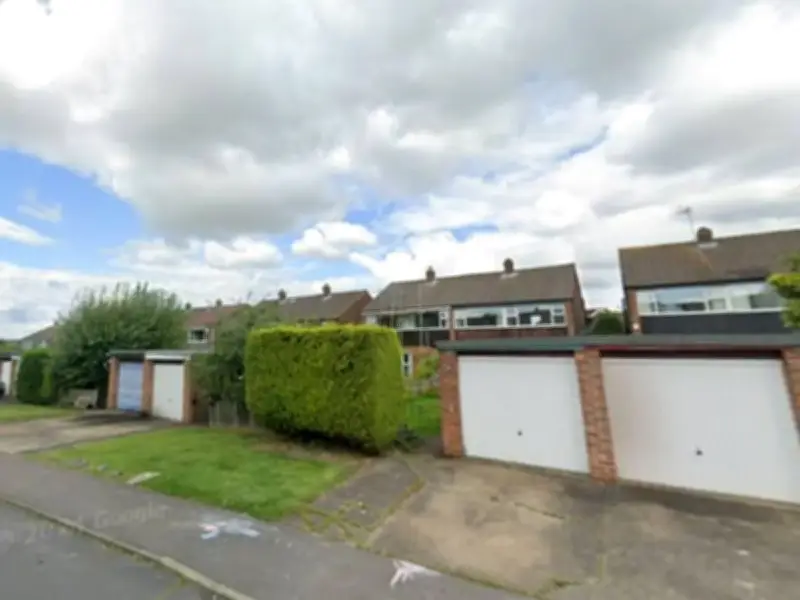
Plans to convert a family home in Durham into a house in multiple occupation (HMO) have been rejected following residents' warnings about a 'stealthy' rise in student properties 'forcing' families out of the city. Durham County Council refused the application for the property on St Bede's Close in Crossgate Moor, despite planning officers having recommended approval.
Residents raise objections
The proposal would have seen the family home transformed into a three-bedroom HMO. Eleven objections were submitted, with concerns raised over parking, noise, the loss of family homes and the concentration of HMOs in the area.
One neighbour said: "With three good schools in the area that children can walk to, this is an area perfect for families and more student HMOs forces families to move further from the city centre, increasing traffic to and from schools."
"The centre of Durham did not become student housing dominated overnight. This happens gradually and this stealthy increase in HMOs is now threatening to change the demographic in Crossgate Moor and Neville's Cross."
Council report and decision
A further resident objected due to the "Studentification of a residential street which already has more than it's share of HMOs, whether registered or not, and a huge parking problem." The City of Durham Trust also raised objections regarding parking and cycle storage, stating that "the possibility of cars overhanging the pavement remains high".
Council planning officers had initially recommended that the application be approved. Their report revealed that 5.3 per cent of properties within 100 metres would be student properties exempt from council tax, should planning permission be granted—a figure falling comfortably below the council's 10 per cent threshold. Neither the council's highways team nor its environmental health officers had raised any concerns.
However, councillors argued that the HMO would generate increased noise and disruption for neighbouring residents. They also concluded that insufficient parking provision would result in a "severe adverse impact to highway safety", ultimately leading to the application being refused.




