

Dorset Council's Ban on Lollipop Lady Sparks Parental Fury Over Safety
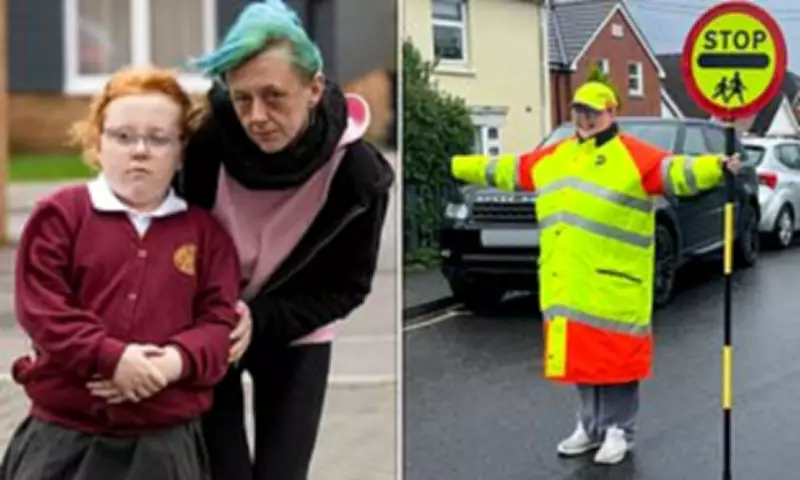
Dorset Council's decision to prohibit a beloved lollipop lady from operating at a zebra crossing has been met with fierce criticism from parents, who have labelled the move 'ridiculous' and 'dangerous.' Lauren Cannon, who has supervised the crossing at Lytchett Matravers Primary School in Dorset for four years, has been deemed 'unsafe' by council officials. This ruling comes despite the installation of a zebra crossing on the site's 30mph road in 2025, which the council argues makes her patrol unnecessary.
Parish Council Funding Offer Overruled
In a bid to retain Ms. Cannon's services, Lytchett Matravers Parish Council offered to fund her £7,000 annual salary, expressing concerns that without her, the road could become a 'dangerous rat-run.' However, county hall officials rejected this proposal, asserting that Ms. Cannon might 'confuse' drivers by creating ambiguity between her authority and the legal regulations of the zebra crossing.
Parents of children at Lytchett Matravers Primary School have voiced outrage, describing the decision as 'disgusting' and 'shocking.' They report that cars frequently ignore the speed limit and fail to stop for pedestrians at the zebra crossing, making Ms. Cannon's presence crucial for safety.

Concerns for Visually Impaired Children
Mother Charlotte Wingfield is among those challenging the ruling, highlighting the plight of her seven-year-old daughter, Brooklyn-Mai, who is visually impaired. Ms. Wingfield emphasized that Ms. Cannon is essential for helping her child cross the road safely, as Brooklyn-Mai's low vision makes it difficult to determine if cars have stopped at the crossing.
'Lauren isn't just our lollipop lady, she's a pillar of the community,' said Miss Wingfield. 'Drivers are so dangerous there. They shoot past the school, probably unaware that there is a school there. The zebra crossing is ignored. I think it's really disgusting that Dorset Council have done this, and I'm worried for my daughter.'
She added that other visually impaired children attend the school, and the council is aware of the risks, as their vision support service visits regularly.
Parental Warnings of Increased Danger
Parent Zoe Rawlings, whose child is in reception year, called the decision 'honestly shocking,' noting that despite road markings and the zebra crossing, drivers often speed through the area without stopping for pedestrians.
'They go so fast and don't even seem to see people waiting to cross, but they are more likely to stop for the lollipop lady in high-vis coat,' she said. 'Whoever has made that decision must not know the road. If they get rid of Lauren, there will be an accident. A child was knocked over just past the school last year; removing one of the most effective safety measures will put children and parents at greater risk.'
Council Policy Update and Response
Lytchett Matravers Parish Council expressed disappointment with Dorset Council's decision, stating they are engaging in discussions to find a resolution. A spokesperson said, 'We had already committed to funding the SCP for an additional year to continue supporting the safety of children. Unfortunately, due to this new policy, school crossing patrols are no longer allowed on zebra crossings, so even if we wanted to employ her directly, a lollipop lady is not allowed here any longer.'
A spokesperson for Dorset Council explained, 'Dorset Council has updated its School Crossing Patrol policy to improve safety and reflect recent investment in new permanent pedestrian crossing facilities. We have invested in new permanent crossings designed to support school communities and the wider public. To ensure the safest arrangements, we are reviewing these sites and working with stakeholders for a safe transition. SCPs will continue at sites without formal crossings where they meet our policy guidance. Our priority is to help children and families travel safely.'






