Council Temporary Housing Costs Set to More Than Double by 2030
The cost for councils in England to provide temporary accommodation for homeless individuals is forecast to more than double, reaching almost £4bn by the 2029-30 financial year, according to an exclusive report from the Local Government Association (LGA). This alarming projection highlights a deepening crisis in housing support, with local authorities grappling with soaring demand and financial pressures.
Escalating Subsidy Gap and Financial Strain
Since 2017-18, councils across England have spent nearly £1.5bn more on temporary accommodation than they have been reimbursed through housing benefits from the government. Without immediate intervention, this subsidy gap is expected to balloon to £3.9bn over the next four years. The LGA, which represents local authorities nationwide, has urgently called for government action to address this unsustainable trend.
Tom Hunt, chair of the LGA's inclusive growth committee and leader of Sheffield City Council, described the situation as a "vicious cycle." He stated, "The temporary accommodation subsidy gap is a problem that is getting worse each year. Councils are caught between ever-increasing costs and static reimbursement rates, which severely limits their ability to manage homelessness effectively."

Record Levels of Homelessness and Temporary Accommodation Use
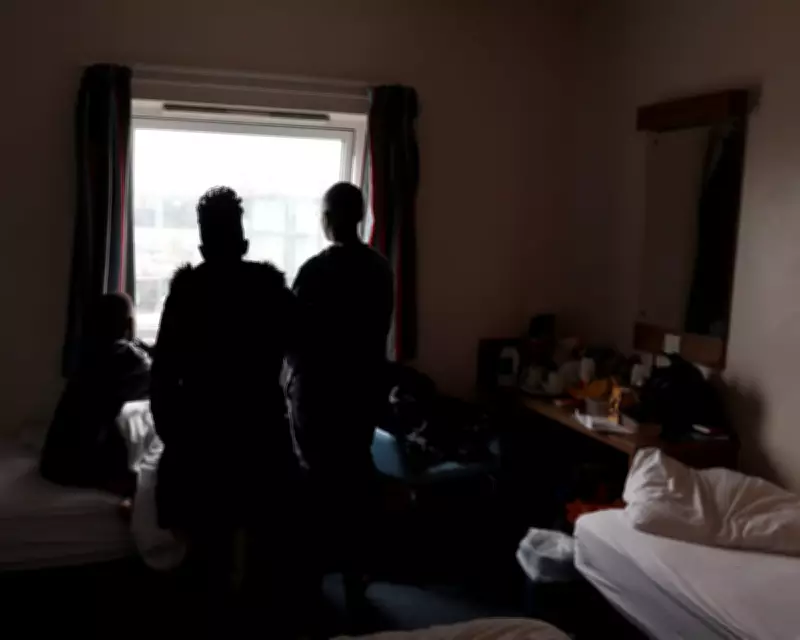
The scale of the temporary accommodation crisis in England shows no signs of abating, having reached record levels following the Covid-19 pandemic. Homeless people are often placed in hotels, bed and breakfasts, or self-contained flats, with data revealing that over 130,000 households currently reside in such arrangements. Notably, the number of children living in temporary accommodation has surged to 175,990, an increase of 12,020 in just one year, marking the highest levels on record.
Local authorities bear the full cost of providing this accommodation, but they can only claim back up to 90% of the local housing allowance (LHA) rates, which have been frozen since 2011. In the 2024-25 financial year, councils spent £1.27bn on temporary accommodation, receiving only £911m in reimbursements from the Department for Work and Pensions, leaving a deficit of nearly £360m.
Call for Policy Changes and Government Response
The LGA has proposed that the government uprate housing benefits to 90% of the current 2024 LHA rates, a move they estimate would reduce the projected cost increase by 37% and save councils £1.5bn. Hunt emphasized, "This adjustment would provide a significant boost to council finances, allowing funds to be redirected towards homelessness prevention and the construction of much-needed homes."
Despite these appeals, the government has maintained a freeze on local housing allowance rates until 2026. Instead, officials have focused on strategies such as building more homes and addressing issues in the private rented sector. Homelessness minister Alison McGovern has expressed a commitment to reducing temporary accommodation usage, aiming to end the reliance on B&Bs by the conclusion of the current parliament.
The Ministry of Housing, Communities and Local Government has not provided additional comment on the LGA's findings, leaving many councils to navigate the escalating financial challenges with limited support.