Council Tax Bills Rise 4.9%: Four Groups Eligible for Reductions
Council Tax Rise: Four Groups Eligible for Reductions

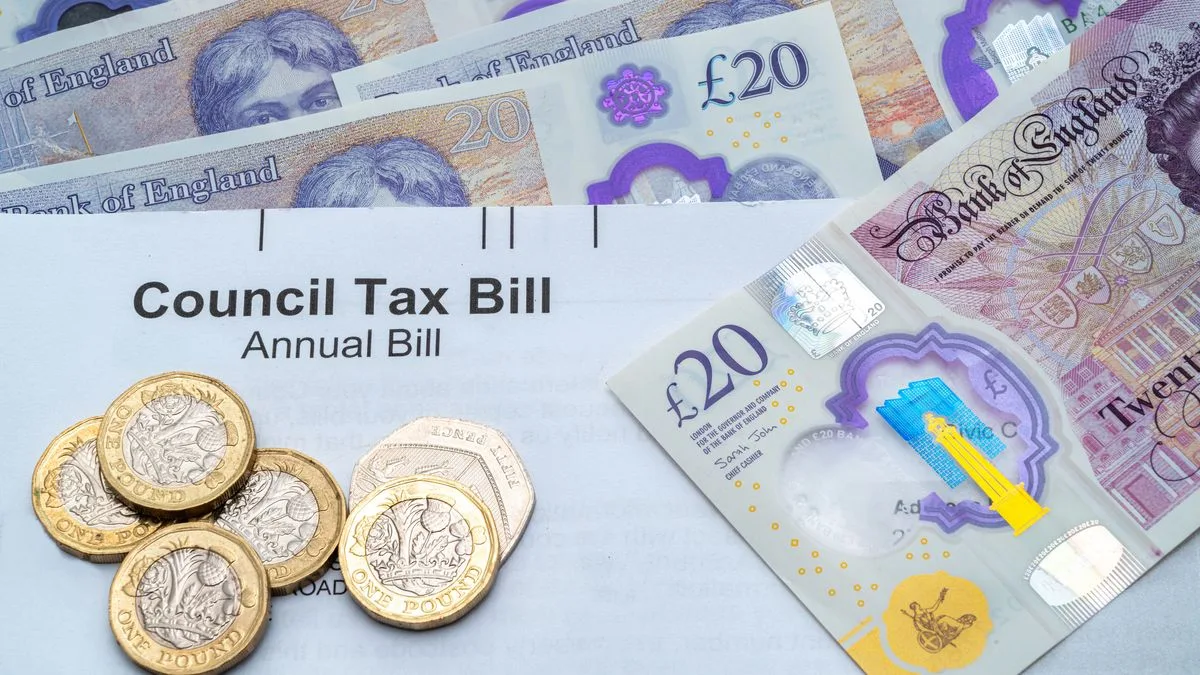
Council tax bills across England are set to rise by an average of 4.9 percent this April, outpacing current inflation rates and adding approximately £111 to the typical Band D household's annual expenses. Some local authorities have received government approval to implement even steeper increases to bolster their financial stability.

Opportunities for Council Tax Reductions

Despite the impending hikes, many households may be unaware that they could significantly lower their council tax obligations through various support schemes and discounts. The eligibility criteria and reduction amounts vary by local council, but four primary groups are likely to qualify for assistance.

Low-Income Households

Council tax reduction programs are specifically designed to aid households with low incomes or those receiving certain state benefits. The extent of support and qualification requirements depend on the regulations set by individual local authorities.

Wide Pickt banner — collaborative shopping lists app for Telegram, phone mockup with grocery list

Factors influencing eligibility and reduction levels include:

  • Income, savings, and pension amounts
  • Household composition
  • Total council tax liability
  • Age of occupants
  • Benefit claims status
  • Disability or carer status
  • Presence of children

The Gov.uk website offers a postcode checker to direct residents to their local council's specific tax reduction and support schemes, which can potentially reduce bills by up to 100 percent.

Benefit Recipients

Numerous means-tested benefits may qualify individuals for council tax support, though this varies between councils. Eligible benefits often include Universal Credit, Income Support, Jobseeker’s Allowance, Pension Credit, and Employment and Support Allowance.

Those with disabilities or caring responsibilities might access additional reductions and discounts, typically requiring proof through benefits like Carer’s Allowance or Personal Independence Payments when applying.

Single Occupants

Individuals living alone are generally entitled to a single-person council tax discount, which can reduce their bill by 25 percent. However, this discount is not automatic; claimants must actively apply and keep their council informed of any changes in living arrangements.

To qualify, you must be the sole adult over 18 residing in the property as your main home, with no other person counted for council tax purposes. Failure to report new occupants can result in penalties.

Disregarded Individuals

Certain individuals are not counted for council tax purposes, known as being disregarded. This status allows households to remain eligible for the single-person discount or enhanced reductions even with other residents present.

Disregarded categories include:

  • Persons under 18
  • Individuals on specific apprentice schemes
  • 18- or 19-year-olds in full-time education
  • Full-time college or university students
  • Under-25s receiving funding from the Education and Skills Funding Agency
  • Student nurses
  • Foreign language assistants registered with the British Council
  • Those with severe mental impairments
  • Live-in carers for non-partner, non-spouse, or non-child under 18 individuals
  • Diplomats

If all household members are disregarded, a 50 percent discount applies. If one person is counted, the 25 percent single-person discount may still be available. Further details and eligibility criteria are accessible on the Gov.uk website.

Pickt after-article banner — collaborative shopping lists app with family illustration