

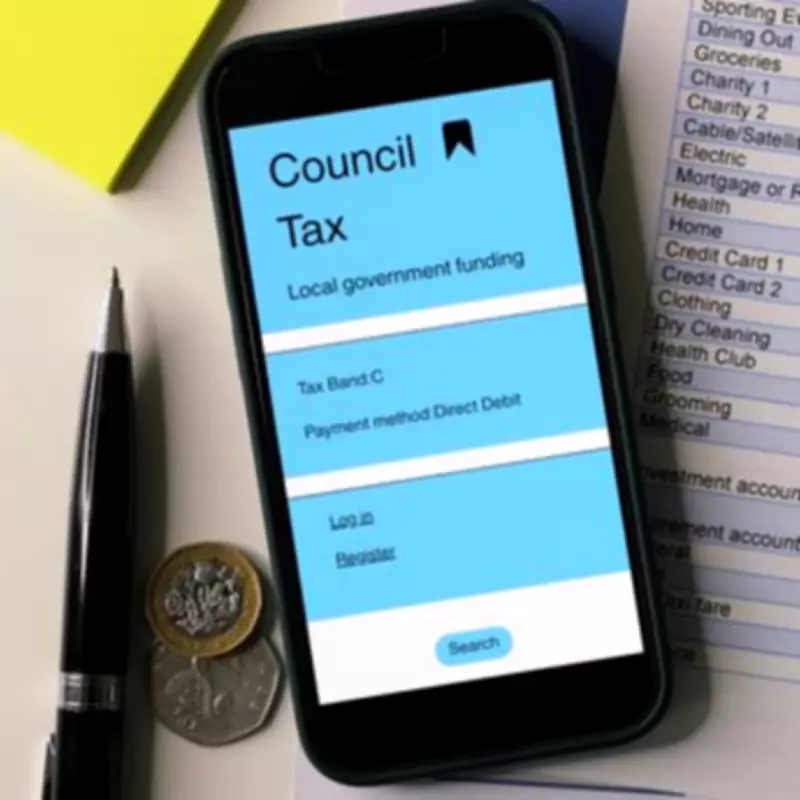
Council Tax Warning: Appealing Your Band Could Lead to Higher Bills
Millions of households across the UK are bracing for a significant council tax shock this April, with bills soaring by as much as 10 per cent in certain regions. While financial experts often advise residents to challenge their council tax band as a cost-saving measure, a stark warning has been issued: this move could backfire, potentially resulting in families paying even more.
Where Council Tax Hikes Are Hitting Hardest
In England, council tax increases are typically capped at five per cent, but seven regions have received special permission to exceed this limit due to severe budgetary pressures, placing an additional burden on local households. Scotland faces no legal limit on hikes, with confirmed increases of up to 10 per cent in some areas.
North Somerset and Shropshire are set to experience the steepest rises in England, with council tax rocketing by nearly nine per cent from April. In Wales, Caerphilly council has proposed a 6.35 per cent hike, the largest in the region, followed closely by Monmouthshire at 5.95 per cent.

Scotland is witnessing the most dramatic increases in the UK. Properties in Aberdeenshire and Moray are facing a 10 per cent annual hike, while Argyll and Bute, Falkirk, and Midlothian brace for at least a nine per cent rise.
How to Challenge Your Council Tax Banding: A Step-by-Step Guide
You cannot appeal simply because your bill has increased, but if you believe you are being overcharged, follow these steps advised by Mel Whiting, head of mortgages at Norton Finance.
- Verify Your Current Band: Check your council tax band online for free in England and Wales via the GOV.UK council tax band checker, or in Scotland through the Scottish Assessors Association. Enter your postcode to view your property's band and compare it with nearby homes.
- Compare with Similar Homes: A clear sign your band may be incorrect is if comparable properties in your vicinity are in a lower band. The Valuation Office Agency defines 'similar' as homes on the same street or estate, of the same type, size, and age. If neighbours in nearly identical homes pay less, this can support your claim.
- Decide on a Challenge: Grounds for appeal include incorrect banding, property alterations (e.g., divided into flats), or similar homes in lower bands. You typically have stronger legal grounds if you have owned or resided in the property for under six months.
- How to Appeal: In England and Wales, submit an appeal to the Valuation Office Agency (VOA); in Scotland, direct appeals to your local assessor. If the VOA rejects your request, you may appeal via the Valuation Tribunal, a free service that can take months to resolve disputes.
Proceed with Caution: The Risks of Appealing
Mel Whiting cautions that Brits should carefully consider before appealing, as a single error could lead to higher council tax payments for years. "Appealing your council tax isn't a free hit," she explained. "If the council decides your home is undervalued, your bill can go up substantially, and it may even trigger reviews of neighbouring homes. One appeal can end up costing a whole street more. In some cases, a failed appeal can permanently move households into a higher council tax band."
Norton Finance calculated approximate council tax changes using averages from five councils—Manchester, Sheffield, Leeds, Birmingham, and Derby—for Band C, D, and E rates. Their analysis shows that while disputing a band could save around £500 annually if moving from Band E to D, there is an equal risk of bills rising by this amount if not vigilant.
As bills continue to climb, residents are urged to weigh the potential savings against the significant risks before taking action.






