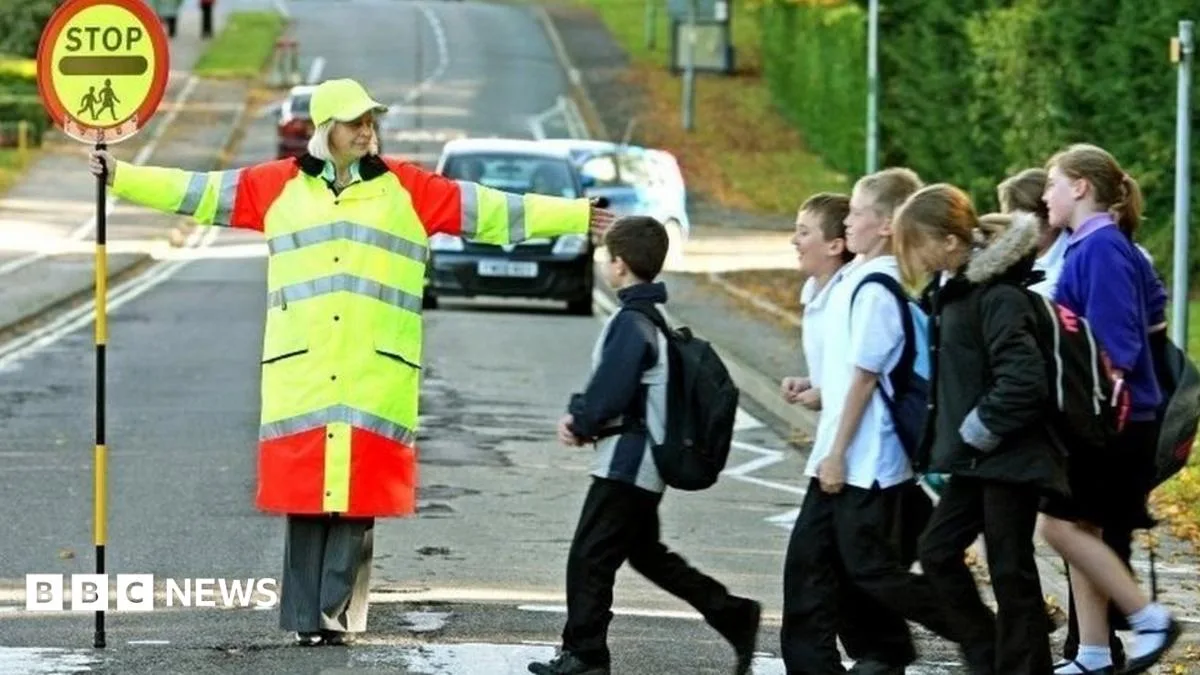
Safety campaigners have warned that cuts to school crossing patrols in Great Britain are putting children's lives at risk. Figures obtained by the BBC show the number of lollipop men and women funded by councils has fallen by 1,500—almost a quarter—in five years. Some councils are now consulting on removing funding for crossing wardens entirely due to budget pressures.
The Local Government Association said councils were trying to maintain crossing patrols wherever possible. However, the data reveals that the loss of posts equates to almost one in four from outside schools. The figures do not include volunteers or those now funded by schools or other groups, meaning the real loss could be substantially higher.
Labour MP Stephen Twigg, who campaigns for road safety near schools, said parents would be concerned. 'School crossing patrols play a vital part in preventing tragedies from occurring but they have borne the brunt of cuts in government funding to local authorities in recent years,' he said. 'The safety of children should not be compromised as a result.'
Examples of the cuts include Hounslow in London, which went from 22 wardens in 2013 to just two, despite having 25,000 state-funded primary school pupils. Newcastle City Council 'reluctantly' cut numbers from 64 to seven—a drop of almost 90%. In Kent, the largest education authority in Britain, the council now employs 137 wardens compared to 258 five years ago.
Road safety charity Brake agreed the cuts are 'jeopardising lives'. Director of campaigns Joshua Harris said: 'Last year, 1,638 children were killed or seriously injured while cycling or walking on British roads—that's more than four families receiving devastating news every day. We need action now, with investment in safe crossings for children.'
While some councils are increasing numbers—notably in Scotland—others are considering removing the service entirely. Staffordshire is consulting on removing all 240 positions from September 2019 due to 'unprecedented financial challenges', and Birmingham may remove all officers by not replacing those who leave or retire.