How to Successfully Challenge a Council Parking Ticket: Expert Template Revealed
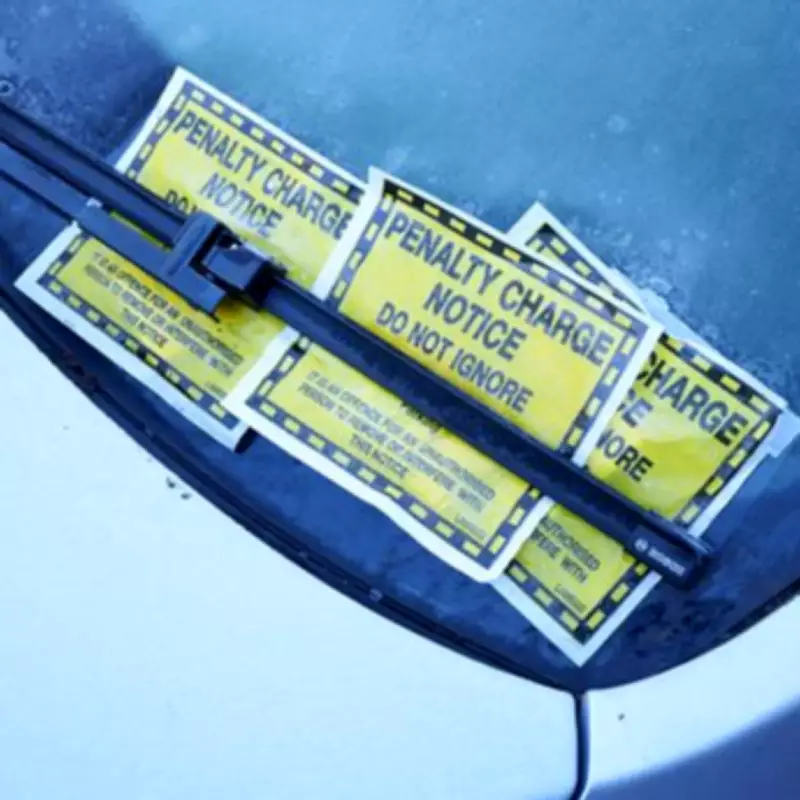
Motorists who believe they have been unfairly issued a parking fine now have a clear path to contest the charge, thanks to expert guidance from consumer rights advocates. Penalty Charge Notices, commonly known as PCNs, can be a significant financial burden, with fines reaching up to £160 in certain regions across the United Kingdom. While these civil penalties do not result in criminal records or license points, they can cause considerable frustration for drivers who feel unjustly targeted.
Understanding Common Parking Violations
Parking fines are typically issued for a variety of infractions, including overstaying in a car park, parking in permit-only zones without authorization, improper parking within bay lines, or unauthorized use of reserved spaces such as disabled bays or taxi ranks. The process of disputing these charges can be daunting for many drivers, particularly those unfamiliar with the legal framework surrounding parking enforcement.
Consumer champion Which? has developed a comprehensive template that drivers can use to formally challenge Penalty Charge Notices. This template is designed to help individuals articulate their case clearly and effectively, increasing the likelihood of a successful appeal.

Expert Template for Disputing Parking Fines
The recommended template for challenging a PCN includes specific language that addresses the legal requirements under the Traffic Management Act 2004. Drivers should adapt this template to their particular circumstances, ensuring all relevant details are included.
Sample Challenge Letter Template:I am writing to formally challenge the above Penalty Charge Notice. On [date], my vehicle [registration number] was issued a Penalty Charge Notice for [offence code and official reason stated on PCN].
In accordance with the Traffic Management Act 2004, my challenge is on the basis that the contravention did not occur [reasons why]. Please find enclosed evidence to this effect, in the form of [give details and why it backs up your case].
For this reason, I look forward to receiving notification that the Penalty Charge Notice has been cancelled within 28 days. Yours faithfully, [Your signature].
Submitting Your Challenge and Required Evidence
Drivers can dispute Penalty Charge Notices through multiple channels, including online via the council's official website or by postal mail to the address provided on the back of the PCN. For private parking tickets, the appeals process differs and is typically outlined on the ticket itself, with further recourse available through organizations like POPLA or IAS if initial appeals are rejected.
Merely stating that a PCN is incorrect is insufficient for a successful challenge. Drivers must provide compelling evidence that supports their claim that the fine was issued in error. Several types of evidence can strengthen your case:
- Payment Proof: Valid pay-and-display tickets, screenshots from parking applications showing digital payment, or bank statements confirming payment for the correct duration and location.
- Signage Documentation: Photographs or videos demonstrating that parking signs were missing, obscured by vegetation, vandalized, or otherwise unclear.
- Road Marking Evidence: Documentation showing faded or misleading bay lines that contributed to improper parking.
- Vehicle Ownership Records: Receipts or DVLA documentation proving you did not own the vehicle at the time of the alleged violation, particularly useful in cases of plate misrecognition or recent vehicle sales.
Navigating Common Challenges and Pitfalls
Many drivers face parking fines due to administrative errors, such as automated systems misreading license plate characters or fines being sent to previous vehicle owners. Maintaining thorough records of vehicle transactions and promptly updating ownership details with the DVLA can prevent such issues.
When gathering evidence, it is crucial to return to the parking location to capture current conditions. Clear, timestamped photographs that show the context of the parking area can be particularly persuasive during the appeals process.

By following this structured approach and utilizing the expert template provided, drivers can significantly improve their chances of having unjust parking fines overturned, saving both money and unnecessary stress.