Trafford Council is expected to approve the Carrington Relief Road despite hundreds of objections from residents concerned about the loss of green belt land. Planning officers have recommended the project be given the go-ahead, with a final decision due next week.
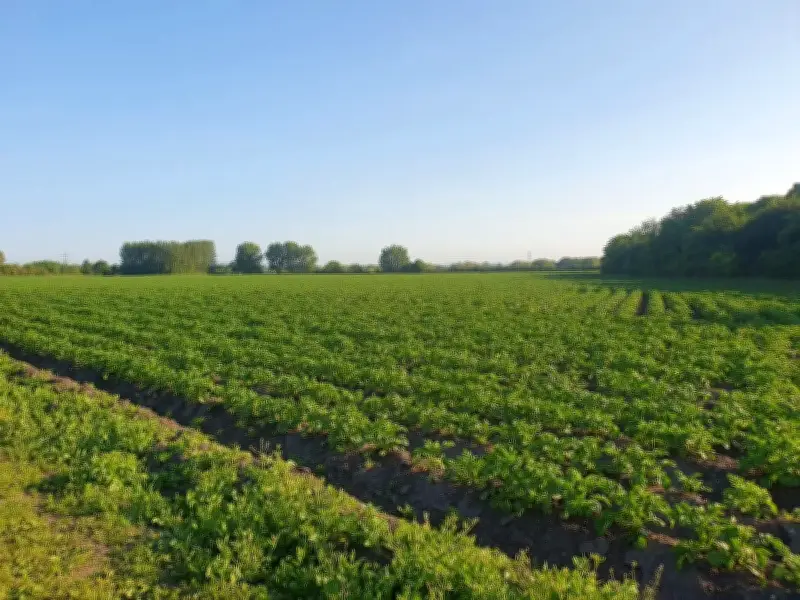
The 2.7-mile road would link the A6144 Manchester Road to the west with the A6144 Carrington Spur in the east. Part of the route would follow the currently private A1 road through the industrial area between Carrington and Partington, with the rest cutting across farmland judged to be 'best and most versatile'.
Decades in the Making
The project, decades in the making, aims to divert traffic away from the A6144, reducing congestion and improving travel times for drivers and public transport users. Political leaders have touted it as the solution to traffic woes around Partington and Carrington.
However, residents have objected in their hundreds, fearing it will cause 'severe and permanent harm' to what is currently predominantly green belt land. Many worry the new route will add to traffic problems by drawing people away from motorways and into the area as they seek faster journeys.
Housing and Employment Plans
The route forms a key part of the council's New Carrington plan, which will eventually see around 5,000 new homes and 350,000 square metres of new employment space built. Officers said the scheme cannot be brought forward without the road.
Campaign group Friends of Carrington Moss disagrees, proposing an alternative route that would save the green belt. Their plan would maintain improvements to the A1 route through the industrial zone, drawing traffic away from Carrington Village, and turn the road northwards to rejoin an upgraded existing road network.
Objections and Benefits
Planning officers published a report setting out the benefits and harms of the relief road. Around 880 objections have been lodged against the plan, with just two supporting letters from the public.
Officers recognised harm to the countryside, animals, and residents, placing significant weight on the loss of top-quality agricultural land and the impact on Dainewell Farm, which leases the affected fields. Significant harm to biodiversity is expected, though the council believes this will be short-term while mitigation measures become established. The views and character of the landscape will also be impacted, and habitats will be 'fragmented'.
A number of homes will experience significant noise impacts that cannot be mitigated through on-site measures. Consideration is being given to offering home improvements, but documents state it is 'unclear at this stage what upgrades may be required'. Homes approved but still to be built will also be affected, with officers judging that developers cannot be required to include additional mitigations in the 'likely' event they are occupied before the road is operational.
Potential benefits include the road's role in delivering the New Carrington allocation, alleviating pressure on congested parts of the network, particularly the A6144, and improving connectivity for Partington and Carrington through new active travel routes. The construction phase is expected to generate around 110 full-time jobs over three years, with up to 93 training and apprentice positions, and around £82 million in economic benefits during construction.
Planning officers concluded that the potential benefits 'substantially outweigh any adverse effects'. Regarding campaigners' alternative proposals, officers said they would not offer 'sufficient junction capacity to accommodate forecast growth' and would not 'deliver the same benefits'. They concluded there are 'no alternative options that could avoid the green belt and deliver the objectives of the scheme'.
Cost and Future Plans
Campaigners have disputed this, believing the council used out-of-date and 'unreliable' traffic modelling when discounting their proposals, along with 'misunderstanding' Transport for Greater Manchester requirements, leading to it being judged too expensive.
The Carrington Relief Road is expected to cost £132 million, with a large portion covered by grant funding from the Greater Manchester Combined Authority. If not delivered, that cash would have to be handed back, Trafford Council said, adding there would be reputational harms to not completing the scheme.
Despite the cost, the road alone cannot solve traffic problems around Carrington and Partington. Transport modelling shows key sections will be operating near capacity within 15 years of opening. Officers argued the road is not intended as a silver bullet but is the first of a package of measures, including future southern and eastern 'links' and public transport enhancements. Trafford Council's planning committee is set to meet next week to debate and decide the scheme.