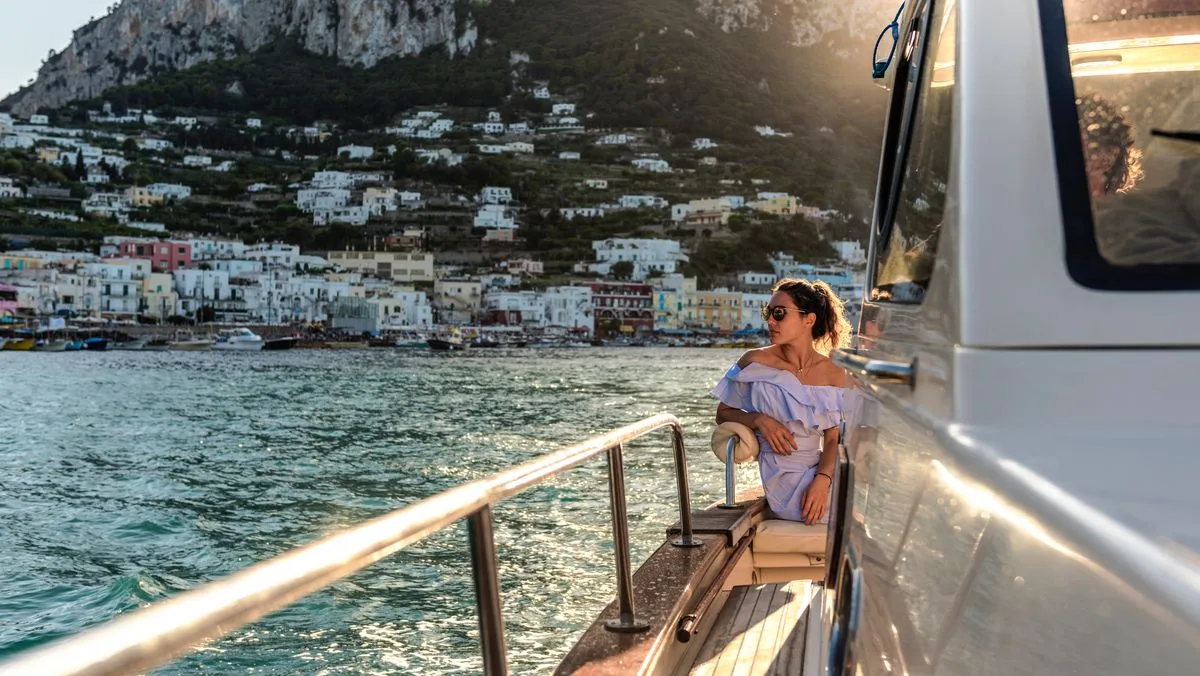
British tourists heading to the Italian island of Capri this summer are being urged to check their tour bookings after new regulations came into force aimed at curbing overcrowding and harassment. The island, home to around 13,000 residents, can attract up to 50,000 daily visitors in peak season, prompting authorities to introduce measures that include caps on tour group sizes and a ban on large umbrellas and flags.
From 2026, organised tour groups on Capri will be limited to a maximum of 40 people. Groups exceeding 20 must use wireless earpieces or headphones instead of loudspeakers, and guides are prohibited from using oversized umbrellas, flags or other bulky markers, which must be replaced with smaller signs or paddles. Tourists will not face automatic fines, but those on poorly adapted tours may experience delays, splitting of groups, or reorganisation in popular areas.
Separate anti-harassment rules introduced in April 2026 target aggressive touting by commercial operators and tourism agencies. The ordinance bans intrusive or persistent approaches to visitors in public spaces, with penalties ranging from €25 to €500, and a reduced fine of €300 in certain circumstances. While aimed at businesses, the regulation will affect tourists through stricter controls around Marina Grande, restaurants and excursion sellers.

Graziano Gagliardi, travel expert at Private Italy Tours, commented: 'Capri is one of Italy's most beautiful destinations, but also one of the most crowded during summer. These rules change how organised tours operate. If booking a group tour, especially a cheap day trip, it's worth checking the operator follows the 2026 regulations. Smaller groups, earpieces and a clear plan for moving around without blocking streets are essential.'
The regulations apply particularly to cruise passengers, coach parties and day-trippers from Naples, Sorrento or the Amalfi Coast. Tourists are also advised not to stop in narrow lanes, obstruct stairways, or gather around viewpoints and shop fronts for photos. Capri's measures are part of a wider Italian effort to combat overtourism, following similar restrictions in Venice and other hotspots.