

Monterey Park Residents Triumph in Battle Against Massive Datacenter Construction
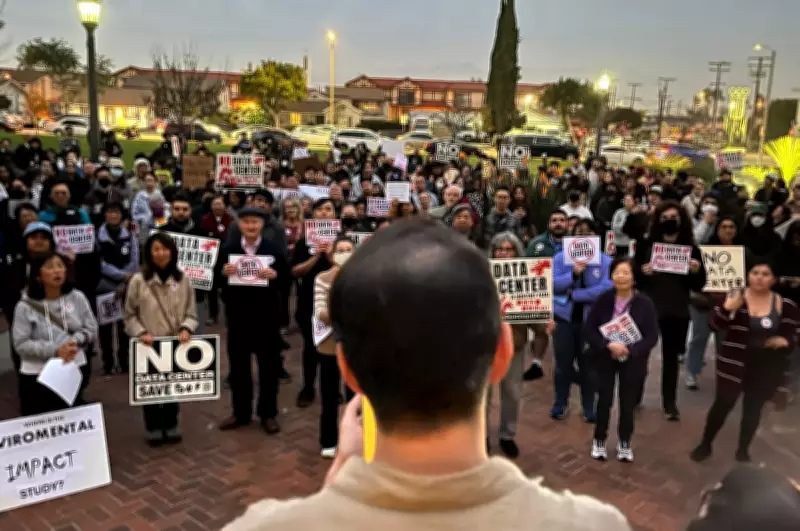
Residents of Monterey Park, a suburban city east of Los Angeles, gathered at city hall on January 21 to voice strong opposition to the construction of a proposed datacenter. Through a determined grassroots campaign, this community has achieved a significant victory, securing a temporary halt to the project and sparking a broader conversation about the impact of such facilities nationwide.
A Grassroots Movement Takes Shape
When the city council proposed building a datacenter equivalent in size to four football fields in December, five local residents made a pledge to stop it. They launched the No Data Center Monterey Park initiative, collaborating with the racial justice group San Gabriel Valley Progressive Action. Their efforts included organizing a teach-in and rally that attracted hundreds, conducting door-to-door canvassing, and distributing flyers on busy streets. All materials were provided in English, Chinese, and Spanish to engage the city's diverse population, which is approximately two-thirds Asian and one-quarter Hispanic.
The campaign highlighted concerns that the facility would strain the local power grid, increase energy rates, and create noise pollution. A petition opposing the datacenter quickly garnered nearly 5,000 signatures. Within just six weeks, city leaders responded by issuing a 45-day moratorium on datacenter construction and committing to explore a permanent ban.

A National Trend of Opposition
This success in Monterey Park reflects a growing national movement against datacenters. According to research from Data Center Watch, local communities delayed or cancelled projects worth $98 billion between late March 2025 and June 2025. More than 50 active groups across 17 states targeted 30 projects during that period, with two-thirds being halted. The movement has united diverse groups, including environmentalists and activists from various political backgrounds, in states like Virginia and Michigan.
Miquel Vila, lead analyst at Data Center Watch, noted that opposition is occurring in very different communities, indicating widespread concern. A November Morning Consult poll found that a majority of voters support banning datacenter construction near their homes and believe AI datacenters contribute to rising electricity prices.
Bipartisan Concerns and Local Impact
In Indiana, a datacenter hub with over 70 facilities, local communities are fighting approximately 50 additional projects and have halted at least a dozen in the past year. Bryce Gustafson of the Citizens Action Coalition described this as a revolt in the heartland, with bipartisan pushback against datacenters. Concerns include land privatization, tech overreach, and environmental impacts, leading to collaborations between conservatives and environmentalists.
At the state and federal levels, this local activism is influencing policy. In Virginia, Governor Abigail Spanberger campaigned on ensuring AI companies pay their fair share of electricity costs. Progressive lawmakers like Bernie Sanders and Rashida Tlaib have supported calls for a datacenter moratorium, while GOP leaders such as Ron DeSantis and Josh Hawley have introduced bills to regulate AI.
Health and Environmental Risks
In Monterey Park, specific concerns about the proposed datacenter included its economic, environmental, and public health impacts. The facility would have employed 14 on-site diesel generators, which researchers say produce ambient air pollutants like nitrogen oxide, linked to respiratory illnesses such as asthma and lung cancer. Organizers emphasized these risks to mobilize the community.
Building Coalitions and Future Challenges
Organizers in Monterey Park drew inspiration from successful campaigns in other states, such as Virginia and Pennsylvania. Steven Kung, a co-founder of No Data Center Monterey Park, highlighted the importance of building coalitions with local organizations like the Asian Youth Center and Montebello Teachers Association. These groups mobilized their members to testify at city council meetings, creating a decentralized movement.

Andrew Yip of SGV Progressive Action noted that the campaign succeeded because residents united around a common cause: halting a development that threatened their livelihoods. However, the fight is not over. City council members are considering placing the decision on the November ballot, requiring residents to continue their awareness campaign. Organizers remain engaged, gathering signatures and attending council meetings to ensure their voices are heard.
The victory in Monterey Park demonstrates the power of community activism in addressing complex issues like datacenter construction, setting a precedent for other cities across the United States.





