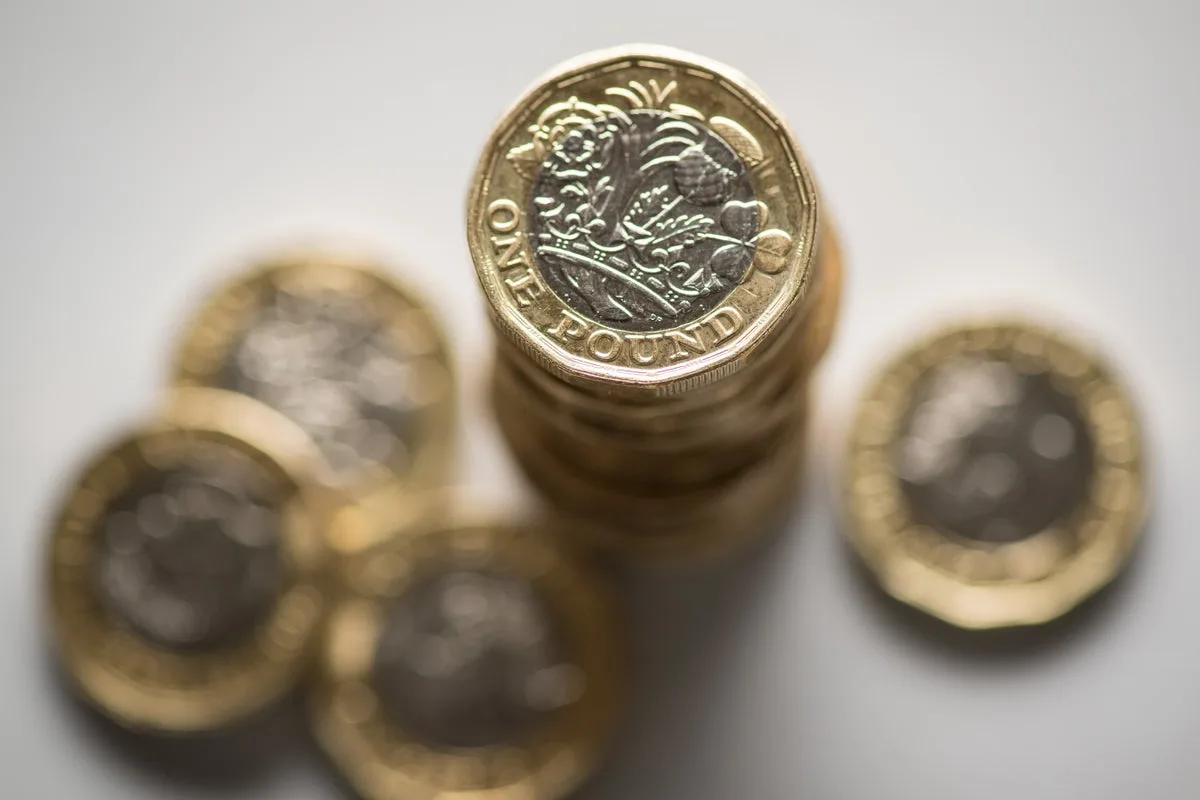
A survey conducted for Link, the UK's main ATM network, reveals that many households are preparing for potential crises by stockpiling essential items. The research, carried out in March by YouGov among over 2,100 people, found that 17% of respondents keep cash at home for emergencies, while 49% have a battery-powered torch and 47% store tinned goods. Additionally, 37% ensure they have a charged power bank ready.
The study also examined cash usage habits, showing that 61% of respondents had used physical currency in the preceding two weeks, down from 69% in 2025 and 73% in 2024. Contactless cards (42%) and phone payments (30%) are now the preferred in-store methods, with 10% of people describing themselves as “fully cashless”. However, 13% still prefer paying in cash, rising to 16% among those aged 55 and over.
Among cash users, supermarkets, convenience stores, cafes, pubs, and giving money to friends and family were the most common places for using coins or notes. Since June 2025, there has been a notable drop in cash use at convenience stores. The survey also found that 45% of people find it inconvenient when businesses do not accept cash, and 56% do not expect to go cashless within the next 12 months.

Graham Mott, director of strategy at Link, said: “Cash continues to play an important role in the UK’s payment landscape. While digital payments are now the first choice for many, millions still rely on cash for budgeting, choice, privacy and control. What’s interesting is the growing role of cash in resilience planning, with more people keeping emergency cash at home due to concerns about power outages, cyber attacks and card payment disruption.”