Olympic cyclist Chris Boardman has called on councils to help lift the 'hidden curfew' women face in winter by improving street lighting. The 58-year-old gold medallist shared how a conversation with his wife, Sally, four years ago changed the way he saw the world because of the barriers women and girls face in winter.
He said: "We were walking along the Wirral Way, a route I'd use any time. She explained why she would never go there alone after dark. I realised a freedom I'd taken for granted – being able to walk, run or cycle whenever I liked – wasn't one we shared. Sadly, in 2026, we're having the same conversation."
Councils urged to ask two key questions
Writing in the Express, Boardman added: "Imagine if every council identified a handful of places women avoid after dark and asked just two questions: where would you like to go but don't? And what needs to change? Then make those changes and measure the results. Are more women using the park after dark? Running alone? Cycling home?"
He continued: "There may be a cost to making these improvements, but it'll be offset against the cost women already pay. Darker months mean less freedom and less access to the physical and mental health benefits that physical activity brings … women should not need courage to move freely after dark. We must create places that don't require courage – and lift the hidden curfew for good."
Safety concerns on the rise
Some cash-strapped local authorities in Britain dim street lights or switch them off between 1am and 5am to save money. Campaigners believe a lack of well-lit routes could impact the safety of women and girls.
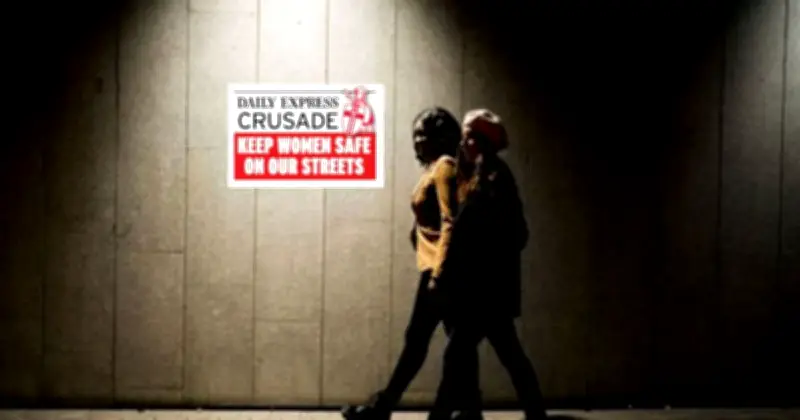
The Daily Express has launched a Safer Streets campaign, demanding councils light up roads. Sport England research found that more than half (55%) of women feel unsafe exercising outdoors alone after dark, compared to only a third (33%) of men.
Women's safety concerns have grown over recent years, with more than two thirds (69%) concerned about sexual harassment and intimidation when exercising outdoors after dark, compared with 60% in 2023.
Evidence for change
Kate Dale, Sport England's director of marketing, said: "Every year when the clocks go back, countless women find their worlds getting smaller, and many change or step away from exercise altogether because of fear.
"Women's fears are growing, with more concern about harassment and intimidation than we saw three years ago; many women believe rising online misogyny is making them feel even less safe exercising after dark.
"Police have warned violence against women and girls is reaching epidemic levels, so it's more important than ever that we understand women's experiences and address the rising safety concerns."
This Girl Can's new research finds 55% of women don't feel safe exercising alone at night. Nearly seven in 10 worry about sexual harassment – more than half fear being followed. Despite this, nearly half of men underestimate how much women think about their safety after dark.
Gallup research shows that in Singapore, 97% of women feel safe walking alone at night. In Norway, women report high levels of safety. A College of Policing review found improved street lighting was associated with a 21% reduction in crime. Research by West Yorkshire Mayor Tracy Brabin found clear sightlines and visible places to seek help make women feel safer in parks, insight that shaped national Safer Parks guidance. Active Travel England new guidance gives councils ways to build women's safety into public spaces.
Boardman also urged men to challenge misogynistic attitudes, noting that 46% say they have consciously changed their behaviour when passing a woman after dark so she does not feel uncomfortable, but said it needs to be 100%.
He concluded: "Women should not need courage to move freely after dark. We must create places that don't require courage – and lift the hidden curfew for good."