Analog Photography's Resurgence: A Complete Guide to Using Film Cameras
Analog Photography's Resurgence: Guide to Film Cameras

The Analog Renaissance: Why Film Photography Is Back in Style

Film photography is undergoing a remarkable renaissance, particularly captivating younger generations who are drawn to its distinctive aesthetic and tangible, analog experience. While Gen-Zers and younger Millennials enthusiastically embrace film, analog cameras present a steeper learning curve compared to the digital devices they've grown up with. Understanding fundamental concepts like ISO, f/stops, and aperture settings becomes essential for anyone venturing into this classic medium.

George Walker IV, an Associated Press photojournalist based in Nashville who joined the AP in 2023 after three decades at The Tennessean newspaper, emphasizes that shooting on film offers an excellent foundation for learning photography fundamentals. "It forces me to be patient and concentrate to make the pictures that matter," Walker explains. "You have a finite number of frames on a roll of 35mm film, usually 24 or 36. And you should make those pictures count."

Understanding Film: The Foundation of Analog Photography

Before digital cameras revolutionized photography in the early 2000s, the craft relied entirely on physical film rather than electronic files stored on memory chips. Photographic film consists of light-sensitive cellulose material coated with silver-halide compounds. When exposed to light through a camera lens, this coating captures a latent image that can later be developed into photographic prints.

This process creates images with a distinctive grainy texture and unfiltered quality that many enthusiasts find more authentic than the sometimes overly-perfected appearance of digital photos. The appeal extends beyond aesthetics—many photographers embrace film as an antidote to digital fatigue and the instant gratification culture fostered by smartphones. This trend forms part of a broader revival of traditional hobbies and content formats, including vinyl records, knitting, and handwritten correspondence.

Essential Film Knowledge for Beginners

While multiple film formats exist, 35mm remains the most common type for consumer cameras, typically sold in small canisters. Film is available at photography shops, online retailers, and some drugstores, though the latter often offer limited selections. When purchasing film, pay close attention to the ISO rating (also called film speed), which indicates light sensitivity. Higher ISO numbers mean greater light sensitivity—ideal for low-light situations like basketball gyms or night football games where ISO 1600 or higher works best. For bright, sunny conditions, ISO 400 or lower produces optimal results.

Beginners should consider starting with black and white film, which proves more forgiving regarding exposure settings while encouraging greater focus on composition and lighting fundamentals.

Selecting Your Film Camera

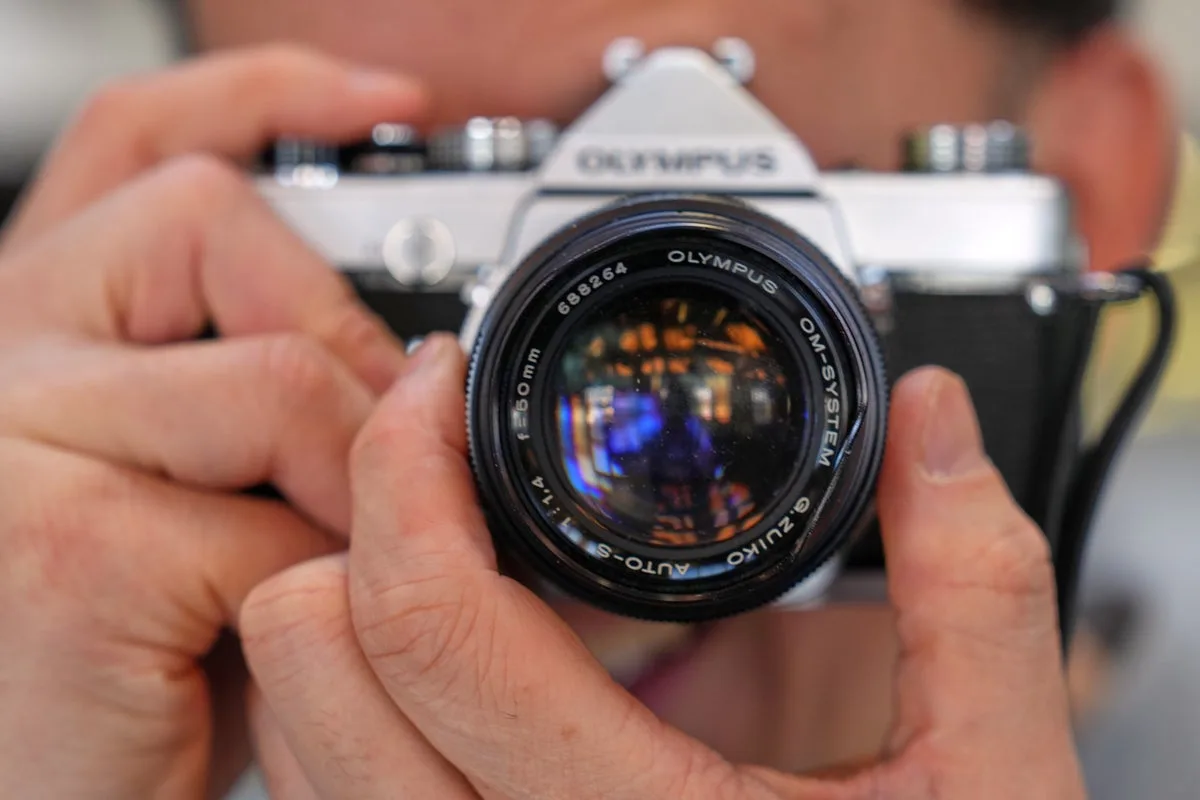
Today's market offers limited new film camera options, primarily consisting of point-and-shoot models, niche products, and high-end equipment. However, abundant secondhand vintage models are available through platforms like eBay and specialized camera shops. Another approach involves asking friends or family if they have unused cameras stored away. Look for models from the five major manufacturers that dominated the pre-digital photography era: Canon, Nikon, Pentax, Olympus, and Minolta.

Camera Type Considerations:

  • Point-and-shoot cameras are compact, affordable, and highly portable with minimal controls beyond basic flash functionality.
  • Single-lens reflex (SLR) cameras offer full manual control with multiple dials, adjustments, and interchangeable lenses for maximum creative flexibility.

While manual cameras provide the best learning and experimentation opportunities, their larger size and complexity can intimidate novices. A helpful principle to remember: the best camera is always the one you have with you.

Loading Film Correctly

With both film and camera acquired, the next step involves loading them together. For manual cameras, open the back compartment and feed the film leader into the spool slot on the right side. Use the winding lever to advance the film, ensuring proper latching before closing the camera back. The rewind knob on the left should turn when film winds correctly—confirming successful loading.

Point-and-shoot cameras typically feature automatic winding with interior labels indicating proper film leader placement. Incorrect loading usually triggers error messages or prevents the film counter from advancing. Once loaded, keep the camera back securely closed until completing all exposures and fully rewinding the film into its canister to avoid ruining the entire roll.

Mastering Camera Operation and Focusing Techniques

Manual camera users must learn to control exposure through shutter speed and aperture (f/stop) adjustments while setting the appropriate film speed or ISO. Imagine exposure as a faucet filling a glass: f/stops control light flow intensity (with f/16 resembling a trickle and f/2.8 acting like a fire hose), while shutter speed determines how long the "faucet" remains open.

F/stops also influence depth of field—how much of the photograph remains in focus. Smaller f/stops increase focus range, while shutter speed captures action effectively (with faster speeds like 1/250 or 1/500 second freezing motion best). Most manual cameras include viewfinder light meters indicating proper exposure levels.

Manual focusing requires practice. When photographing people or animals, prioritize sharp focus on the eyes. For still life and landscapes, focus on the most important visual elements like flower petals or mountain peaks. While the technology differs from digital, the fundamental principles remain identical: fill your frame with what you want viewers to see, and study masters like Gordon Parks, Henri Cartier-Bresson, and Ansel Adams for inspiration.

Processing Your Exposed Film

Completed film rolls can be processed at drugstores, photography shops, or mailed to online laboratories. Some urban areas maintain community darkrooms available for member use. Processing requires both time and financial investment, with costs varying based on turnaround time, color versus black and white processing, exposure counts, and additional services.

You'll typically receive developed negatives—those exposed film strips that historically served as masters for additional prints. While many modern photographers disregard negatives since labs provide digital files alongside physical prints, experienced practitioners generally recommend preserving them for future reference and reproduction possibilities.