

The Algorithmic Face: How AI and Social Media Are Standardising Beauty
Every morning, millions of women worldwide engage in elaborate beauty rituals. For journalist Hannah Betts, this involves a meticulous 55-year-old routine: massaging oils, applying multiple concealers, blending foundations, and accentuating features with various hues. What begins as a personal ritual reveals a deeper societal issue - the internalisation of beauty standards that feel more authentic than one's natural appearance.
The Waterloo Station Intervention
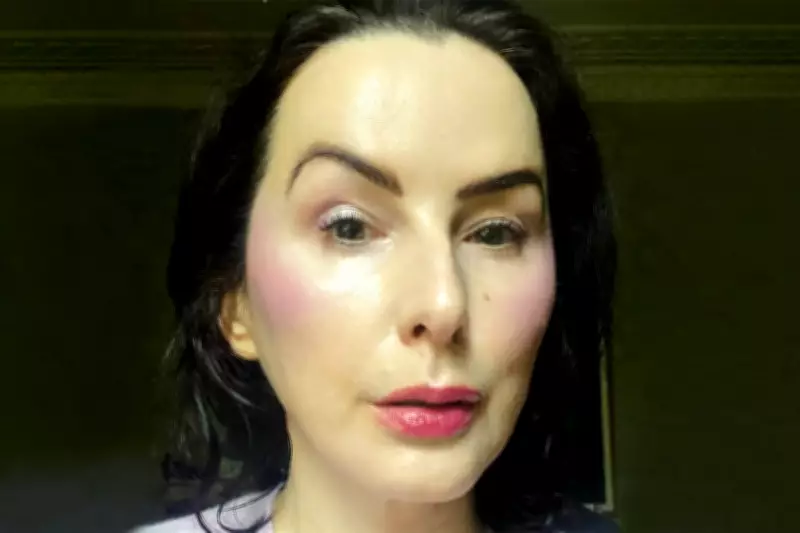
This week at London's Waterloo station, American photographer Lauren Greenfield unveiled a provocative installation called "The Beauty Machine." Created in collaboration with Dove, this artwork resembles a cross between a vending machine and photobooth, containing 16 identical female faces rendered in fleshy resin. These chimaeras incorporate contemporary beauty fixations - the fox eye, lip flip, and snatched jaw - representing what Greenfield calls "the face the algorithm feeds us."
Commuters and young girls on Easter break were invited to "pay with their face," having their features scanned to match with the algorithm-approved guise. The confronting question followed: "Is this the future you want for beauty?" Behind the installation, advertising screens displayed Greenfield's photographs of diverse women smiling and interacting - a stark contrast to the homogenised ideal.

The Psychological Cost of Conformity
According to Dove's 2024 "The Real State of Beauty" report, nearly half of British women feel pressured to alter their appearance even when they know images are artificially enhanced. Greenfield's work builds on her previous campaigns, including the Emmy-winning #LikeAGirl initiative that reframed societal expectations about femininity.
"The exhibitionistic, hyper-sexualised, and peer-pressured culture within which contemporary women must negotiate their feelings of self-worth," describes Greenfield's approach to documenting youth culture. Her installation challenges the notion that uniformity correlates with beauty, suggesting instead that diversity creates genuine attractiveness.
Historical Precedents and Modern Amplification
Beauty standards are hardly new - Betts notes her postgraduate research on 16th-century blason literature that similarly codified female loveliness. Women then bleached hair, plucked foreheads, and painted faces according to prescribed ideals. However, today's social media creates unprecedented ubiquity and addictiveness, functioning as "a self-indoctrination device available in every pocket."
The situation has become particularly concerning regarding young people. Recently, Italy's Competition Authority launched investigations into beauty brands Sephora and Benefit for allegedly marketing anti-ageing treatments to children, contributing to "cosmeticorexia" - an unhealthy obsession with skincare among youth.
The Personal and Political Dimensions
For Betts, the installation raises uncomfortable questions about complicity. As a beauty journalist who writes about these topics while practicing her own elaborate routine since age 11, she wonders: "How political is this? How complicit am I in screwing up the young?"
Observing Greenfield - who appears without makeup, her face "animated, full of expression - and totally, utterly beautiful" - provides a counterpoint to the manufactured ideal. The installation's QR code invites participants to submit selfies to "flood the feed with beautiful difference," challenging algorithmic homogenisation with human diversity.
Greenfield's film documenting the project launches on 9 April, continuing Dove's long-standing campaign against restrictive beauty standards. As algorithms increasingly dictate what constitutes attractiveness, this London installation serves as a timely intervention in the conversation about beauty, identity, and technological influence.






