An Associated Press investigation has revealed that adopted children are vastly overrepresented in the so-called 'troubled teen industry' – a network of loosely regulated, for-profit residential treatment centres, wilderness programmes, and boarding schools. Experts estimate that adoptees, who make up only 2 per cent of American children, account for between 25 and 40 per cent of those in such facilities.
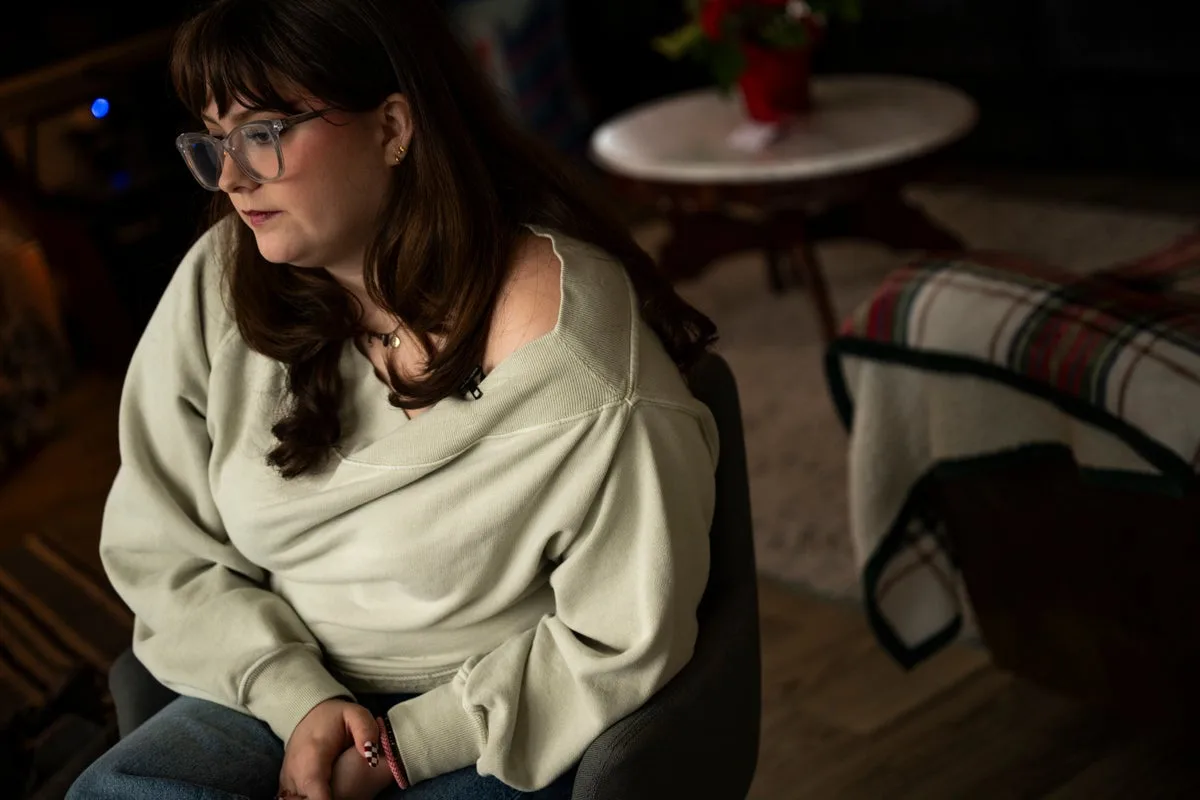
Many adoptees told the AP they felt trapped in a 'shadow orphanage system', where they were confined for years in oppressive and sometimes abusive environments. Parents typically decide to send their children away and determine the length of stay, with facilities charging up to $20,000 (approx £15,800) per month.
The centres often market themselves as treating reactive attachment disorder (RAD), a diagnosis intended for young children who have experienced extreme neglect. However, experts say most teenagers in these facilities almost certainly do not have RAD, and that the treatment offered would not be effective even if they did. Psychologist Brian Allen of Penn State University stated that in a study of 100 adopted and foster children, around 40 per cent had been diagnosed with RAD, but not a single one met the diagnostic criteria.

The investigation found that many facilities began as small operations with behavioural modification approaches rooted in Christian teachings. Today, private equity companies, attracted by significant profit margins (as high as 20 per cent), have been acquiring centres and commercialising treatment. One such company, Family Help & Wellness, operates over a dozen facilities and faces multiple lawsuits alleging abuse.
Analysts note that residential treatment centres make money by minimising staffing costs and maximising the duration of stay, with far fewer regulations than other inpatient healthcare settings such as nursing homes. The AP identified at least 80 private facilities advertising treatment for adoption-related issues, highlighting a lucrative market built on the distress of vulnerable children.