

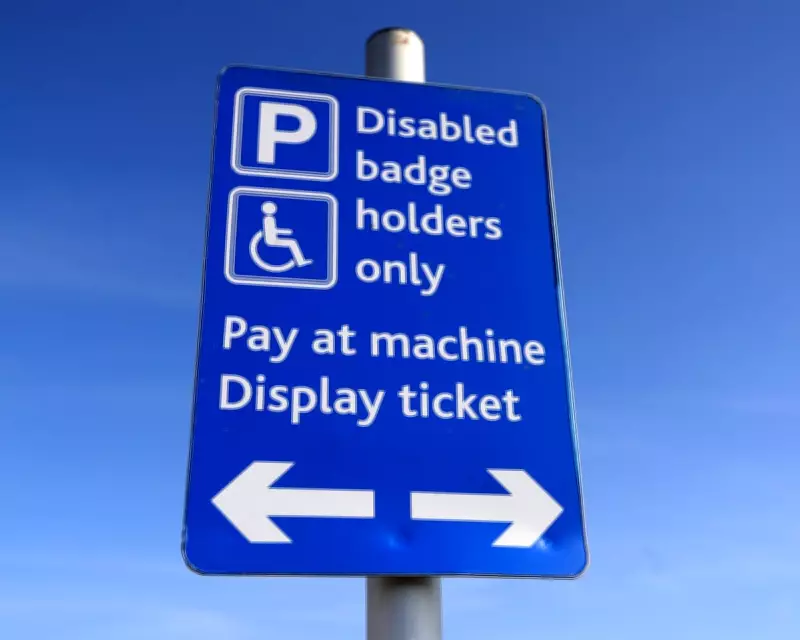
The AA has issued a strong call for enhanced measures to detect offences involving the misuse of blue badge parking permits, including the use of fake or stolen badges. This appeal comes as new data reveals that one in 15 adults in England now holds a blue badge, highlighting the growing prevalence of these permits designed to assist individuals with disabilities or health conditions.
Rising Concerns Over Blue Badge Misuse
Councils across England are being urged to intensify efforts to crack down on the fraudulent use of blue badges, both legitimate and counterfeit. The permits, which must be renewed every three years, enable holders to park closer to shops and services, and in London, they exempt users from the £18 daily congestion charge. According to the latest Department for Transport data, 3.07 million blue badges were held as of 31 March last year, accounting for over 6% of the estimated 46 million adults in England.
AA President Highlights Fraud Risks
Edmund King, the AA's president, emphasised the critical role of the blue badge scheme as a mobility lifeline for millions of legitimate users and their families. He expressed concern not about the total number of badges issued, but about estimates suggesting that up to one in five badges may be used by someone other than the holder or an authorised user. King stated, "Fraud is an issue which can include family misuse, use after death, counterfeit badges, and theft and resale of badges. We would welcome a crackdown on illegitimate use of badges to safeguard the deserving users."

Financial Impact and Regional Disparities
While recent figures on the cost of blue badge fraud in the UK are unavailable, the now-defunct National Fraud Authority estimated it at £46 million per year in 2011. The DfT data also showed regional variations, with the north-east having the highest percentage of badge holders at 6.1%, compared to London's 3.5%. In 2019, eligibility criteria were expanded to include people with non-visible conditions such as Parkinson's, dementia, and epilepsy, leading to more than two-fifths of badges in 2024/25 being awarded without further assessment.
Recent Prosecutions and Council Actions
Several councils have reported prosecutions for blue badge misuse in recent months. For instance, Croydon council in south London announced in January that seven offenders were ordered to pay nearly £6,000 in fines, court costs, and victim surcharges for cases involving stolen, counterfeit, or misused badges. Similarly, Oxfordshire county council reported convictions last September, including a man caught using his deceased grandmother's badge. A Local Government Association spokesperson noted, "Although the vast majority of badges are used correctly, a small minority fraudulently use others' badges, depriving those with genuine needs. Residents are encouraged to report suspected misuse to help councils combat this issue."
Government and Council Responses
A DfT spokesperson affirmed that exploitation and abuse of the blue badge scheme are completely unacceptable and constitute criminal offences. They highlighted that local authorities have been granted improved powers to crack down on fraud and misuse in their areas, working closely with police forces. The permits often allow holders to park free in pay-and-display bays and for up to three hours on yellow lines, depending on location, underscoring the importance of safeguarding the scheme for those who rely on it.






