

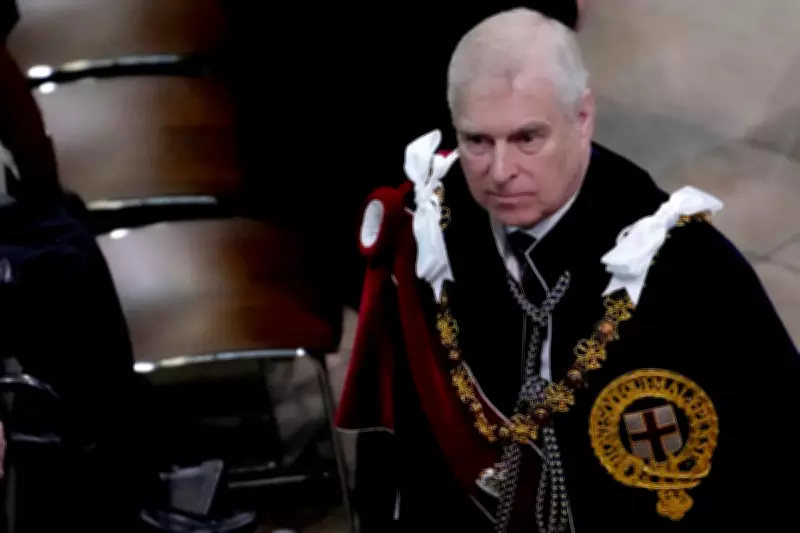
UK Government Considers Legal Changes to Remove Andrew from Royal Succession
The British government has announced it is actively considering legal modifications to formally exclude Andrew Mountbatten-Windsor from the royal line of succession. This potential move follows his recent arrest on suspicion of misconduct in public office, although he was released without charge after approximately eleven hours in custody. The former Prince Andrew, younger brother to King Charles III, currently occupies the eighth position in line to the throne, despite being stripped of his princely status in October due to his associations with the late convicted sex offender Jeffrey Epstein.
Parliamentary Process and International Implications
Removing Andrew from the succession line would necessitate an act of Parliament, requiring approval from lawmakers. Darren Jones, Prime Minister Keir Starmer's chief secretary, informed legislators that the government is not ruling out action regarding the line of succession, though any measures will only proceed once the ongoing police investigation concludes. However, the process extends beyond Britain's borders, as any alteration to the succession must also receive backing from approximately a dozen Commonwealth countries where King Charles serves as head of state.
Australia's Prime Minister Anthony Albanese has already expressed support for excluding Andrew, citing the gravity of the allegations. In a letter to Starmer, Albanese emphasized the necessity for a full and proper investigation. Other nations, including Canada, New Zealand, Jamaica, the Bahamas, and Tuvalu, have not yet communicated similar positions. Experts, such as Professor Robert Hazell from University College London, note that achieving consensus among these countries could be protracted, referencing the two-year negotiations required for the Succession to the Crown Act 2013, which established gender-neutral succession laws.

Historical Context and Current Line of Succession
The last instance of a royal being removed from the line of succession occurred in December 1936, following King Edward VIII's abdication to marry American divorcee Wallis Simpson. At that time, legal changes were enacted to strike him and his descendants from the list. Currently, the line of succession places Prince William as heir, followed by his three children: Prince George, Princess Charlotte, and Prince Louis. Prince Harry is fifth, with his children, Prince Archie and Princess Lilibet, in sixth and seventh positions respectively.
Andrew Mountbatten-Windsor, who was second in line at his birth, now holds the eighth spot. His daughters, Princesses Beatrice and Eugenie, are ninth and twelfth in line. A key question remains whether excluding Andrew would impact his daughters and their children, which depends on how any future legislation is framed. The Liberal Democrats have been vocal in supporting his removal, with party leader Ed Davey stating it would be intolerable for Andrew to succeed to the crown.
Royal Family's Stance and Ongoing Investigations
King Charles has not publicly indicated whether he supports or opposes removing his brother from the line of succession, though he has stressed that the law must take its course in the investigation. Reports from British media suggest the palace is not opposed to legal changes, with an unnamed source indicating the royal family would not obstruct parliamentary decisions. The allegations against Andrew stem from millions of pages of files released by the U.S. Justice Department related to Epstein, accusing him of sharing confidential trade information during his tenure as U.K. trade envoy from 2001 to 2011.
As momentum builds for potential changes, the complexity of international coordination and parliamentary procedures underscores the challenges ahead. The government's consideration marks a significant moment in royal history, reflecting ongoing scrutiny of Andrew's actions and their implications for the monarchy's future.






