

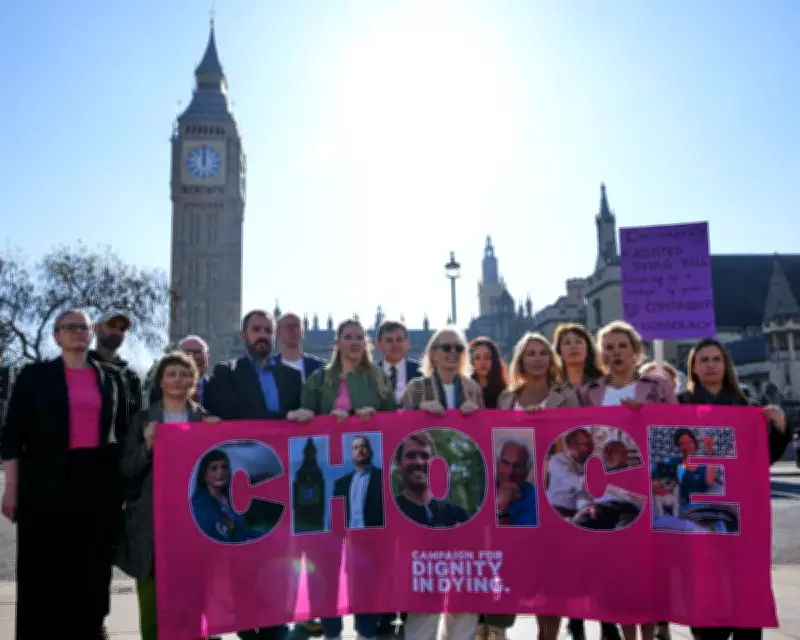
Campaigners supporting assisted dying reform expressed outrage after the terminally ill adults (end of life) bill failed to become law before parliament was prorogued on Wednesday. The bill, which aimed to allow some patients in England and Wales under specific circumstances to receive medical assistance in ending their own lives, was still at committee stage in the House of Lords when the session ended. As a private member's bill, it cannot be carried over into the next session.
Procedural Obstruction or Normal Process?
Supporters of assisted dying accuse unelected peers of deliberately obstructing the bill by tabling numerous amendments and running down the clock, thereby thwarting the will of the elected House of Commons. Critics, however, argue that the legislative process was followed correctly and that the volume of amendments reflected poor drafting, which left unresolved practical and ethical issues that needed addressing.
Both perspectives hold some truth. Peers who oppose assisted dying on principle had clear incentives to prevent the bill from becoming law, but that does not mean their objections were unfounded. Even if one accepts that a terminally ill individual should have the right to choose how they die, translating that right into fair legislation—balancing compassion for the individual with protection for those who might feel coerced—is immensely challenging.

Future Prospects
The debate over whether Kim Leadbeater's bill achieved that balance is now moot. The bill could theoretically be revived if another backbench MP favourable to the cause secures a high place in the next private members' bill ballot and reintroduces it, but this is unlikely. Alternatively, Downing Street could adopt a version of the bill as government legislation, but that is even less probable. Prime Minister Sir Keir Starmer voted in favour of assisted dying but is unlikely to spend political capital on an issue that divides his cabinet.
Democratic Malfunction
This outcome represents a malfunction of the democratic process. Opinion polls show majority public support for liberalising the law, and the elected House of Commons has expressed the same view. Hundreds of hours of debate have resulted in no change, leaving a legal and ethical mess. The Crown Prosecution Service can consider 'compassion' in assisted dying cases, implying occasional tolerance, but this offers little comfort to family members who risk long jail terms if prosecuted for helping someone end their life.
Parliament must eventually bring clarity. The failure this time was due to arcane procedure, not argument. This should spur innovation. The complex ethical and practical dilemmas surrounding assisted dying make it suitable for a royal commission. Better still would be a citizens' assembly—a forum for public consultation and deliberation with expert input, removed from Westminster partisanship. MPs would still decide the law, but with a richer understanding of public opinion. The issue of assisted dying is not going away. Since the established mechanism has failed, trying something new is the only way forward.






