

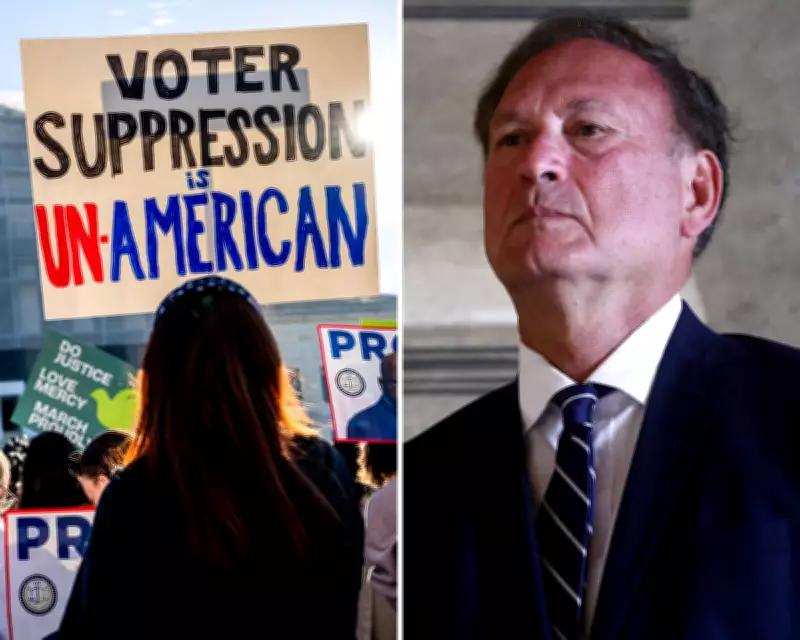
The US Supreme Court is set to hear arguments in a pivotal case that challenges the Department of Justice's use of data in enforcing the Voting Rights Act. The case, which has drawn national attention, centers on allegations that the DOJ relied on flawed or misleading statistical evidence to justify federal oversight of voting changes in certain states.
Background of the Case
The dispute arises from a challenge to the DOJ's application of Section 5 of the Voting Rights Act, which requires certain jurisdictions with a history of discrimination to obtain federal approval before changing voting laws. Critics argue that the department used data that overstated the impact of proposed changes on minority voters.
Key Arguments
Plaintiffs contend that the DOJ's methodology was unsound and that the data presented to block voting restrictions was not reliable. They claim this overreach infringes on states' rights and undermines the integrity of the electoral process. Conversely, the DOJ maintains that its actions were within legal bounds and that the data, while not perfect, was sufficient to demonstrate potential harm to minority voters.

Implications for Voting Rights
The Supreme Court's decision could significantly reshape the enforcement of the Voting Rights Act. A ruling against the DOJ might limit the federal government's ability to challenge state voting laws, potentially leading to more restrictive voting measures. On the other hand, a ruling in favor of the DOJ could reinforce federal oversight and set a precedent for data usage in civil rights cases.
Expert Opinions
Legal experts are divided. Some argue that the case highlights the need for rigorous data standards in voting rights litigation, while others warn that such scrutiny could hamper efforts to combat discrimination. The outcome is expected to have far-reaching consequences for election law and civil rights protections in the United States.
The court is expected to issue its ruling later this term, with observers closely watching the conservative-leaning majority's stance on voting rights issues.






