

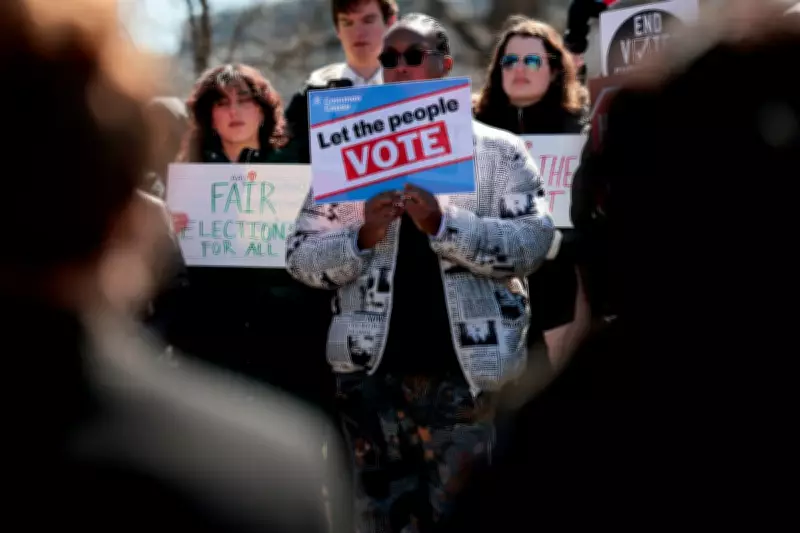
Several US states are in the process of redrawing their electoral maps following a series of court rulings that have deemed existing boundaries unconstitutional. The redistricting efforts, which come ahead of the 2028 elections, have reignited debates over voting rights and partisan gerrymandering.
Legal Challenges Mount
Courts in states including Texas, North Carolina, and Ohio have struck down maps drawn by Republican-controlled legislatures, ruling that they diluted the voting power of minority communities. The decisions cite violations of the Voting Rights Act, which prohibits racial discrimination in voting. In response, state lawmakers are working to produce new maps that comply with legal standards.
Partisan Divisions
The process has been fraught with partisan conflict. Democrats argue that the original maps were designed to entrench Republican majorities, while Republicans claim the courts are overstepping their authority. In some states, independent commissions have been tasked with drawing the maps to reduce political influence.

Civil rights groups have welcomed the court rulings, but caution that new maps could still face legal scrutiny. They emphasize the need for transparent and fair processes that ensure every vote counts equally.
Impact on Elections
The redrawing of maps could shift the balance of power in the US House of Representatives, as several competitive districts are being reshaped. Analysts predict that the changes could benefit Democrats in some areas, but the overall impact remains uncertain. With the 2028 midterms approaching, the stakes are high for both parties.
As states race to finalize their maps, the legal battles are likely to continue. The Supreme Court may ultimately weigh in on the constitutionality of the new boundaries, setting a precedent for future redistricting cycles.






