

The inquest into the fatal shooting of five individuals by the British Army at Springhill in Belfast has demonstrated that the format remains the most effective mechanism for delivering truth, according to a bereaved relative.
This inquest was the final one to conclude before the 2024 guillotine on legacy court cases took effect as part of the previous Government's Legacy Act. The legislation established the Independent Commission for Reconciliation and Information Recovery (ICRIR) to investigate cases from Northern Ireland's troubled past.
While the current Labour Government is reforming the Act through the Troubles Bill, which is set for debate in the next parliamentary session at Westminster, the ICRIR remains operational.

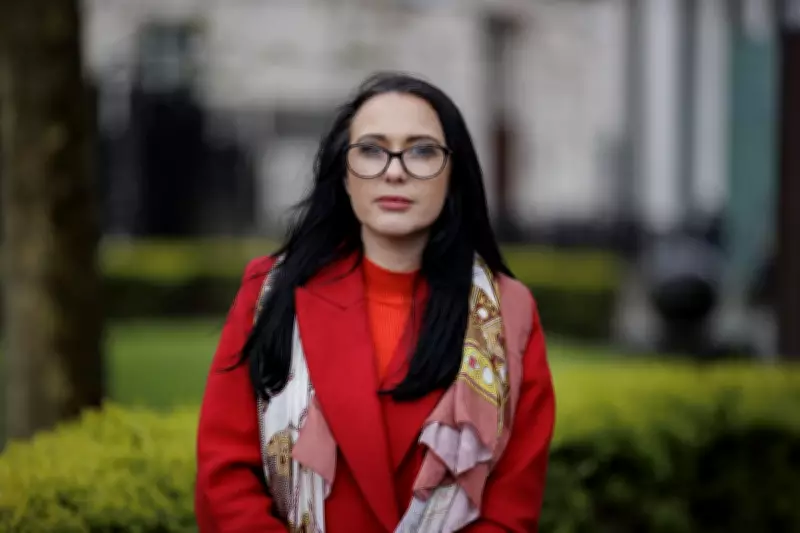
Natasha Butler, whose father Patrick was among the five killed by the Army at Springhill in 1972, heard the inquest findings on Thursday. The coroner concluded that Patrick Butler was unarmed, posed no threat to anyone, and that the use of force by the military was unreasonable.
Speaking outside Belfast Coroner's Court, Ms Butler urged the Government to reconsider both the Bill and the ICRIR, asserting that the commission cannot deliver what an inquest can.
“We feel the Legacy Bill was wrong; what we have seen today in terms of Springhill shows that even after 54 years, inquests can deliver some measure of truth,” she said.
“There are families out there who are still waiting for some measure of truth, and this is the reason why the British Government needs to rethink the Legacy Bill.
“The Independent Commission for Reconciliation and Information Recovery cannot deliver the detailed narrative findings and will never achieve the same closure, recognition, or vindication that our loved ones have received today.
“We call on the British Government to engage with legacy families and give them hope.”
Solicitor Padraig O Muirigh, who supported the Springhill families throughout their campaign and the legal proceedings, emphasised that inquests have proven to be a viable tool for families.
“This inquest, Ballymurphy, Desmond Healey, and many, many other examples show where inquests have been a viable tool for families, and it is precisely for that reason why a guillotine was placed on these legacy inquests,” he said.
“They did work; they were delivering a measure of truth for families. And remember, 50 years on, 30 years on, it is difficult to obtain 100% of the truth, but you can achieve as great an approximation as possible, and the inquest was the best legal tool at the disposal of families.
“It is no accident that this has now been halted by the British Government.”






