
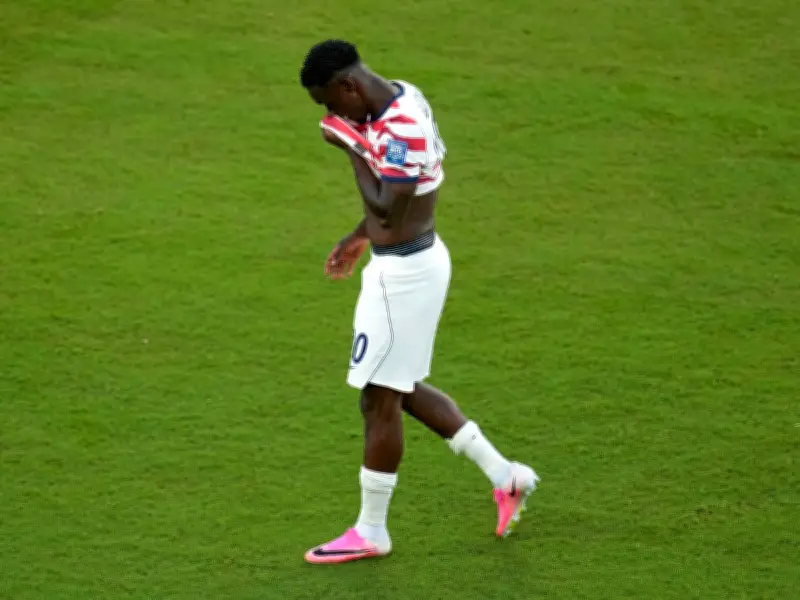
Fifa has once again descended to a new low, this time in the chaotic handling of Folarin Balogun's red card during the World Cup. The United States striker was sent off against Bosnia and Herzegovina, and Fifa initially upheld the suspension following their own rules. However, after intervention from US President Donald Trump, Fifa president Gianni Infantino reversed the ban, sparking widespread criticism.
Trump's Intervention and Fifa's Capitulation
Trump, incensed by the suspension, contacted his lawyers and directly pressured Infantino to lift the ban. Infantino, who has cultivated a relationship with Trump over the years—including awarding him a controversial ‘Fifa Peace Prize’—quickly complied. Days later, Infantino assured Trump that a little-known rule would be invoked to overturn Balogun's suspension, leaving Belgium's FA ‘astonished’ and UEFA officials stating the decision ‘crossed a red line’.
Impact on the World Cup and Fair Play
This kowtowing to political pressure strikes at the heart of football's integrity. The magic of the World Cup—the fans, skill, and excitement—has been overshadowed by Fifa's leadership. Infantino and his cronies have already introduced water breaks for TV ads and inflated ticket prices. But undermining the equal application of rules is a deadly sin, devaluing everything on the pitch. Scotland and other home nations, though small, must stand up for fairness and join others to show Infantino a red card that cannot be revoked.
Currency Confusion in Scottish Independence Debate
Separately, the question of which currency an independent Scotland would use remains critical. The Yes campaign's mishandling of this issue in the 2014 referendum was a key factor in the No side's victory. The SNP's current stance—launching a Scots pound at an undefined future point—lacks credibility. If the SNP is serious about a second independence referendum, it must answer difficult questions beforehand, as Scots need certainty on how wages and pensions will be paid.




