

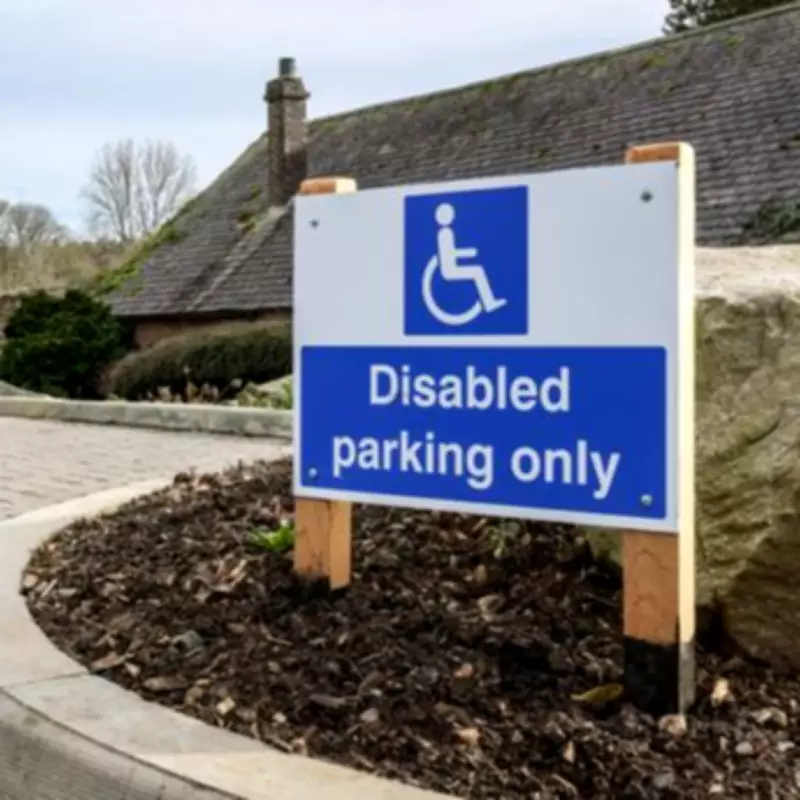
A widespread myth about the Blue Badge scheme may be preventing eligible Britons from claiming the parking benefits they are entitled to. The scheme, which helps disabled people park closer to their destinations in designated spaces and often avoid parking fees, benefits an estimated three million people in England and Wales. However, many could be missing out due to misconceptions about eligibility.
Common Myths About Blue Badge Eligibility
According to the Daily Record, one of the most common myths is that motorists need to claim Personal Independence Payments (PIP) or Adult Disability Payments (ADP) to qualify. While claiming these benefits can help an application by providing proof of disability, it is not a requirement. You do not need to be claiming any benefits to be eligible for a Blue Badge.
Other Reasons for Eligibility
Government guidance outlines several other reasons why someone might qualify for a Blue Badge:

- You cannot walk, or require assistance or aids to walk.
- Walking causes you pain, breathlessness, or is dangerous to your health and safety.
- You have a life-limiting illness that affects your ability to walk.
- You have a disability affecting your arms that prevents you from operating pay-and-display machines.
- You have a child who requires bulky medical equipment at all times.
- You experience temporary loss of behavioural control.
- Public or open spaces make you extremely anxious or fearful.
Invisible Disabilities and Blue Badges
Another common misconception is that Blue Badges are only for people with physical health issues affecting mobility. However, the permit can be granted to people with invisible disabilities if travelling causes severe distress or safety risks. This includes conditions such as autism, dementia, and severe anxiety.
Blue Badge Belongs to the Person, Not the Vehicle
Many people also believe that to have a Blue Badge, you must be the driver of a vehicle in your name. In reality, the Blue Badge belongs to the individual and can be used in any car they are travelling in, regardless of whether they are a passenger or driver.
Appealing a Denied Application
If your Blue Badge application has been denied, you have the option to request a review and provide additional evidence if you disagree with the decision. Government guidance states: "Your council should tell you why you're not eligible for a Blue Badge. You can ask them to reconsider your case if you do not think all the important information you provided was taken into account. You can also reapply if your mobility problems become more serious."
Misuse of Blue Badge Can Lead to Fines
One myth that could get Blue Badge holders into trouble is loaning out their permit to relatives when they are not in the car. This counts as misuse of a Blue Badge, and whether accidental or intentional, the action can lead to fines and potentially having the permit confiscated.






