
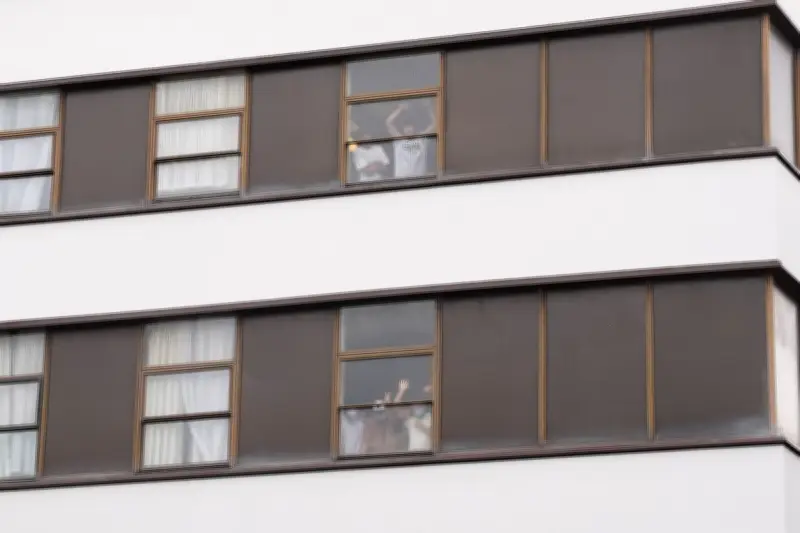
Asylum seekers will be required to pay up to £10,000 towards the cost of their accommodation and support once they start earning, Home Secretary Shabana Mahmood has announced. The full amount must be repaid before they can become eligible for settled status, also known as Indefinite Leave to Remain, which allows migrants to permanently live, work, and study in the UK.
Repayment Plan Similar to Student Loans
Eligible adults will likely repay the amount through monthly contributions above a set threshold, akin to a student loan system. The Home Office estimates the average cost per person per night of accommodating asylum seekers is £23.25 in dispersal accommodation and £144 in hotels, while subsistence payments range from £9.95 to £49.18 per person per week. The government spent £4 billion on asylum accommodation and support last year, a figure Mahmood described as “too high.”
Government Justification and Criticism
“We have already reduced asylum costs by £1 billion, but it is also right that we ask those who can contribute to do so,” Mahmood said. “Receiving asylum support is a right, but it is also a responsibility. Once people can contribute and repay the generosity of the British people, we expect them to do so.” The Home Secretary will have the power to adjust the £10,000 figure. Those who leave the UK must pay the full amount if they wish to return in the future.
Critics have condemned the plan. Zoe Dexter of the Helen Bamber Foundation called it “more performative cruelty from the Government.” She said, “Charging refugees around £10,000 once they finally find work is the opposite of integration. These are people who have fled persecution and extreme violence, often arriving with nothing, before spending months or years in overcrowded, dilapidated accommodation, sometimes facing intimidation and violent protests outside the places they are housed. Burdening them with debt just as they begin rebuilding their lives is grossly unjust and entirely self-defeating.”
Charities and Opposition React
Imran Hussain of the Refugee Council said: “Imposing what amounts to an extra tax on refugees, who the Home Office accepts have arrived here after fleeing persecution, torture and war, is unfair, impractical and makes it much harder for families to rebuild their lives and stand on their own feet. The reason why many need asylum support is because the Home Office itself bans asylum seekers from working while their claims are being assessed. Asylum support is only given to people who are at risk of being destitute, so this new financial burden would only harm those who arrive on our shores with nothing.”
Shadow home secretary Chris Philp noted that Labour had adopted a Conservative proposal: “It is flattering that Labour have adopted yet another policy put forward by the Conservative Party. This precise scheme was proposed by us in an amendment to the Immigration Bill last year, which Labour blocked.”
Broader Reforms and Backlog
The plan is part of broader reforms set out in the Immigration and Asylum Bill, which will be introduced to Parliament on Tuesday. The Home Office is also planning to use more former military barracks to house asylum seekers as it aims to shut all asylum hotels by the next election. The number of people in hotels has fallen to its lowest level since data was first reported in 2022. Other reforms include a “single route” to prevent migrants from lodging multiple appeals after a rejected claim. The backlog of asylum appeals stands at 151,767, with appeals taking an average of 61 weeks to resolve as of March 2026, according to Home Office minister Lord Hanson of Flint.




