

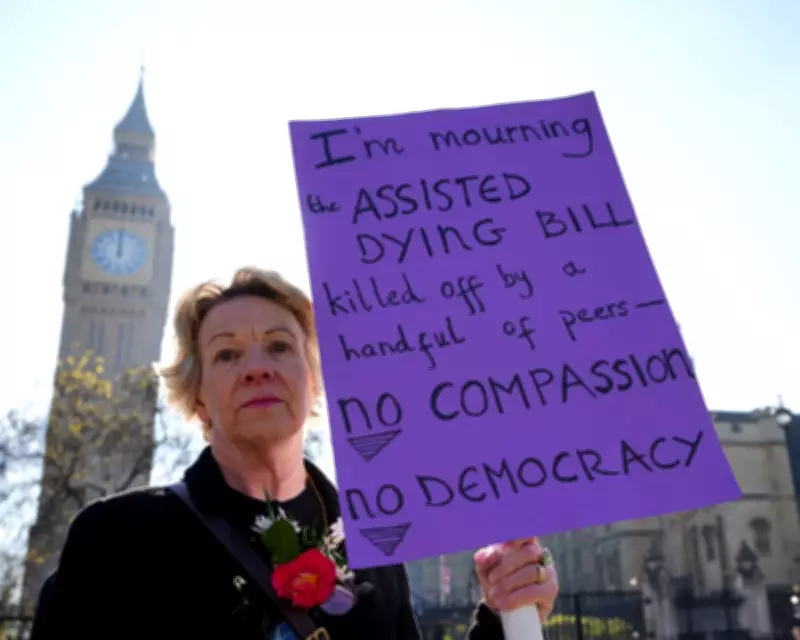
The assisted dying bill, which garnered significant public and parliamentary support, is now facing a potential block in the House of Lords. This move has sparked outrage among campaigners who argue that the bill has a clear democratic mandate and that further delay denies terminally ill people the right to choose a dignified end.
The Democratic Mandate
The bill was passed by the House of Commons with a substantial majority, reflecting the will of the electorate. Polls consistently show that a majority of the British public supports assisted dying for terminally ill adults who are mentally competent. Despite this, the Lords, an unelected chamber, is threatening to amend or reject the legislation.
Arguments for the Bill
- Personal Autonomy: Terminally ill individuals should have the right to control their own death, avoiding unnecessary suffering.
- Safeguards: The bill includes strict safeguards, requiring two doctors and a High Court judge to approve each case.
- International Precedent: Countries like Canada, Australia, and several US states have implemented similar laws without widespread abuse.
Opposition in the Lords
Peers opposing the bill cite concerns about coercion, the sanctity of life, and potential pressure on the vulnerable. Some argue that palliative care must be improved before such a law is enacted. However, proponents counter that these concerns are addressed by the robust safeguards in the bill.

The House of Lords has a history of delaying or blocking legislation that has strong public support, such as the ban on fox hunting and reforms to the House itself. This has led to calls for reform of the upper chamber, with critics labeling it undemocratic.
What Happens Next?
The bill will now proceed to the committee stage in the Lords, where amendments may be tabled. If the Lords significantly alter the bill, it will return to the Commons, creating a parliamentary ping-pong that could delay its passage indefinitely. Campaigners urge the government to use the Parliament Act to force the bill through if necessary, though this would be a controversial and time-consuming process.
For terminally ill people and their families, the wait is agonizing. Many fear they will not live to see the law changed. The outcome of this legislative battle will have profound implications for end-of-life care in Britain.






