

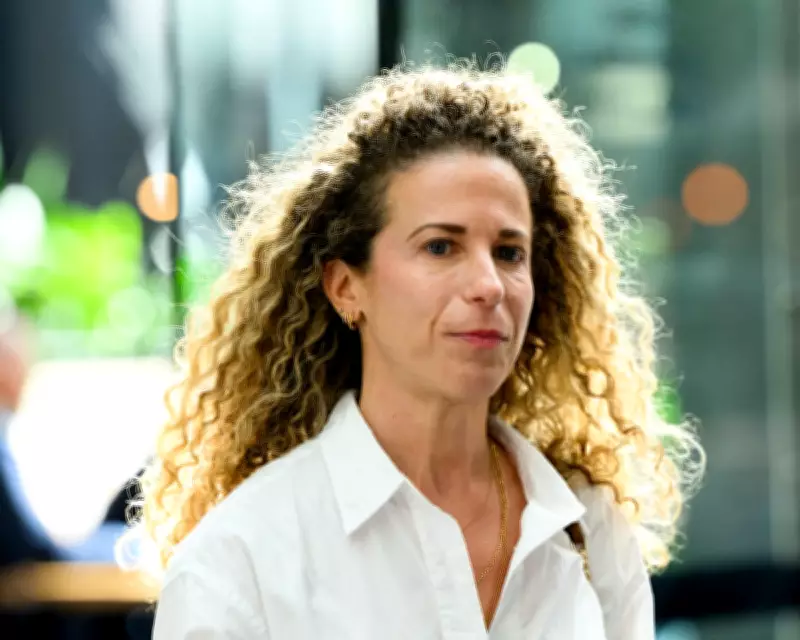
The announcement of a royal commission into antisemitism in the United Kingdom has been met with a mixture of hope and scepticism. As a Jewish mother who recently lost her mother to a prolonged illness, I cannot help but reflect on the deep-seated fears that plagued her final years. She would often ask me, 'Is it safe to be Jewish in Britain today?' Her question was not born of paranoia but of lived experience—a lifetime of witnessing casual prejudice morph into violent hatred.
A Necessary Step, But Not a Panacea
The royal commission, championed by figures like Lord John Mann, is an important step in acknowledging the severity of the problem. However, it risks becoming yet another talking shop if it fails to address the structural and cultural roots of antisemitism. We have seen countless inquiries and reports on racism, yet hate crimes against Jews continue to rise. In 2024, the Community Security Trust recorded over 2,000 antisemitic incidents, the highest annual figure on record.
The Role of Education and Leadership
Education is often touted as the solution, but it must go beyond surface-level awareness. Schools need to teach not just about the Holocaust but about contemporary antisemitism, including its manifestations in far-right extremism, Islamist ideology, and left-wing anti-Zionism. Political leaders, too, must set a standard. When public figures equivocate on Holocaust denial or use antisemitic tropes, they embolden perpetrators.

My mother's generation remembered a time when antisemitism was overt and socially acceptable. They fought for a Britain where Jews could live openly. Today, we see a resurgence of that old hatred, dressed in new clothes. The royal commission must hear from survivors like my mother—those who have witnessed the arc of history bend towards darkness. It must also listen to young Jews who face abuse on campus and on social media.
Systemic Change Required
The commission should examine institutional failures. Why are police forces slow to record antisemitic hate crimes? Why do some universities tolerate antisemitic speakers? Why does the media sometimes normalise anti-Jewish rhetoric? These are not simple questions, but they demand answers.
I am not naive enough to believe a royal commission will eradicate antisemitism. But it can be a catalyst for change if it produces actionable recommendations and holds institutions accountable. My mother died without seeing the Britain she hoped for. I want my children to live in a country where they never have to ask, 'Is it safe to be Jewish?'
Let this commission be more than a gesture. Let it be a turning point.






