
The UK government has published the first details of a new food exports agreement with the EU, signalling an end to the so-called 'sausage wars' that followed Brexit. From summer 2027, the deal will eliminate paperwork and physical checks on dairy products, fish, cheese, eggs, and fresh red meat for both British exporters to the EU and EU exporters to the UK.
The agreement will also ease the burden on supermarkets and food producers selling to Northern Ireland from Great Britain under the Windsor framework. Exporters of meat, plants, and wood packaging will no longer require costly veterinary certificates or health labels for Northern Ireland. The changes cover rules on food additives, animal breeding certificates, pesticides, vaccination residues, organic products, and farm feeds.
Biosecurity minister Sue Hayman called the deal 'great news for British food and drink businesses of all sizes', including an estimated 16,000 companies that stopped exporting to the EU after Brexit due to excessive bureaucracy. She said it would 'cut unnecessary delays and paperwork at the border, support jobs and help ease pressure on food prices for families'. The government expects the deal to add up to £5.1bn a year to the economy.
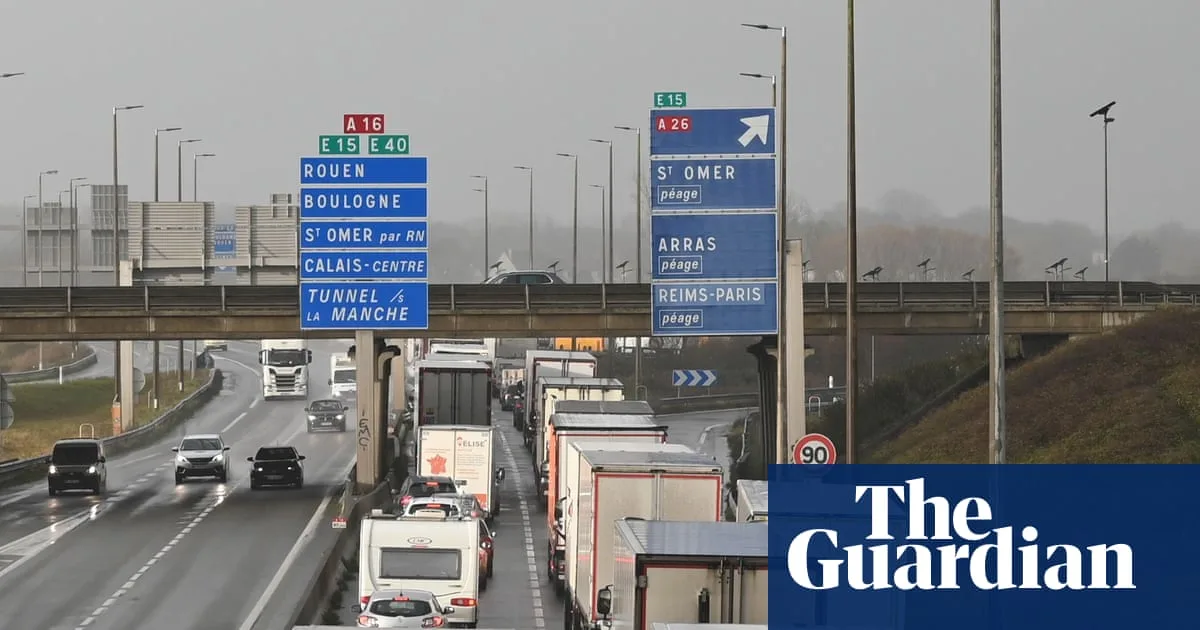
Currently, the EU enforces paperwork checks on 100% of imports from Britain and physical checks on 30%, while the UK did not implement full checks on EU imports. Health certificates, costing up to £200 per consignment, were not required before Brexit but had since caused significant delays. Toby Ovens of Broughton Transport Solutions told a parliamentary committee that his company now needed 26 sheets of paperwork instead of one, and lorries could be detained for up to a month if a document was incorrect.
Ben Fletcher of Logistics UK described the agreement as a 'common sense solution' to the time and money spent moving fresh food across borders. Negotiations have been under way since late last year and are expected to conclude before the next EU-UK summit on 13 July. The government is working towards a mid-2027 start date and has urged businesses to begin preparing now.




