
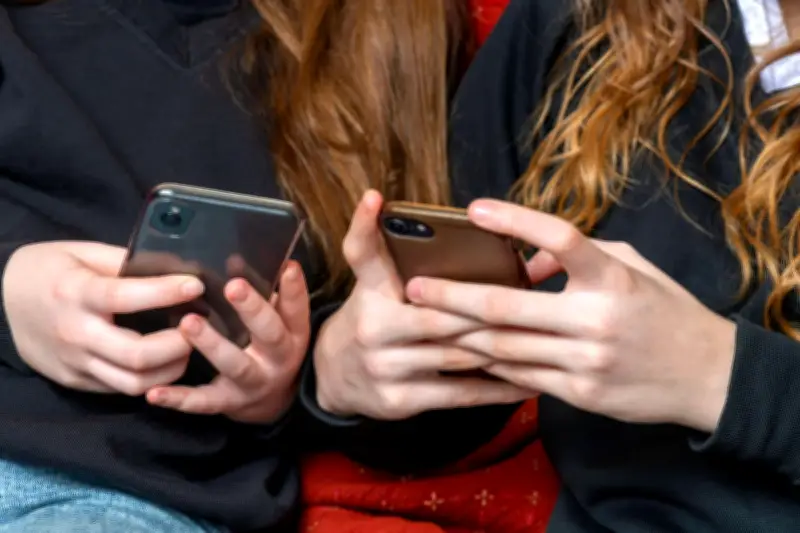
Sir Keir Starmer has announced that under-16s will be banned from using social media platforms, describing the move as a way to give children back their childhood. The ban targets platforms deemed 'addictive' and harmful to mental health, empowering bullies in the process.
Government's Stance
The Prime Minister stated he would not compromise on children's safety and happiness, calling the ban a 'big moment for our country.' The government plans to take 'world leading' action on gaming and live streaming platforms to prevent strangers from contacting children. Sir Keir acknowledged the ban is not 'cost-free,' as social media has brought benefits to young people.
Timeline for Implementation
Under the Children's Wellbeing and Schools Act, secondary legislation will introduce targeted protections without needing a new Act. The first regulations are expected by Spring 2027, with Ofcom enforcing the ban as the online safety regulator.
Consultation Findings
The public consultation received about 116,000 responses, the second-largest in history. Over 83% of parents said social media risks outweigh benefits for children, with 91% backing a minimum age of 16 for platform access. Nearly two-thirds (62%) of children agreed that restricting high-risk features would make them safer online, though 72% worried about feeling left out.
Who Is Affected?
The ban applies to under-16s, with options for restricting older children under consideration. Curfews for 16- and 17-year-olds to stop late-night scrolling may be introduced next month. Default restrictions for under-17s on harmful functions like livestreaming and preventing stranger contact are also planned.
Platforms Included
Platforms under the ban include Snapchat, TikTok, YouTube, Instagram, Facebook, X, Reddit, and Threads. Excluded are messaging apps (e.g., WhatsApp, Signal), educational tools, e-commerce, music streaming, YouTube Kids, Google Classroom, and Lego Play.
Age Verification
Platforms must use technology to estimate or verify age, such as face scans or ID requests. Ofcom will conduct a rapid study to 'harden age-gating systems' beyond self-declaration. VPNs may allow bypassing, but their effectiveness depends on platform security.
Reactions
YouTube warned a blanket ban could push children to 'less-safe services.' Australia imposed a similar ban in December, but research shows three in five Australian 12-15-year-olds still access restricted accounts. Ian Russell, whose daughter Molly died after viewing harmful content, called the ban a 'sledgehammer technique' that could cause more problems.
Expert Opinions
Some experts, like Dr. Junade Ali, cite insufficient evidence linking social media to mental health crises. Others, like Rafe Clayton, support the ban as a response to public concern. The Wellcome Trust will fund nationwide studies to monitor the ban's impact on teenagers' mental health.




