Could the United Kingdom rejoin the European Union, and how would that process work? As political figures like Wes Streeting and Andy Burnham signal openness to rejoining, The Independent examines the steps required and the potential hurdles, including public opinion and EU conditions.
Current State of UK-EU Relations
Prime Minister Sir Keir Starmer entered office pledging to "reset" relations with the EU after years of tension under Conservative governments. This effort has seen some success: in 2025, Starmer signed a wide-ranging deal promising cheaper food and energy, and the UK rejoined the Horizon science programme and the Erasmus+ educational exchange scheme from next year. However, sticking points remain, such as stalled negotiations on a youth mobility scheme and UK integration into the EU electricity market, largely due to Starmer's red lines: no return to the customs union, single market, or freedom of movement. The EU insists that closer ties require adopting more EU rules, sparking criticism from Reform UK and the Tories.
Would the EU Allow the UK to Return?
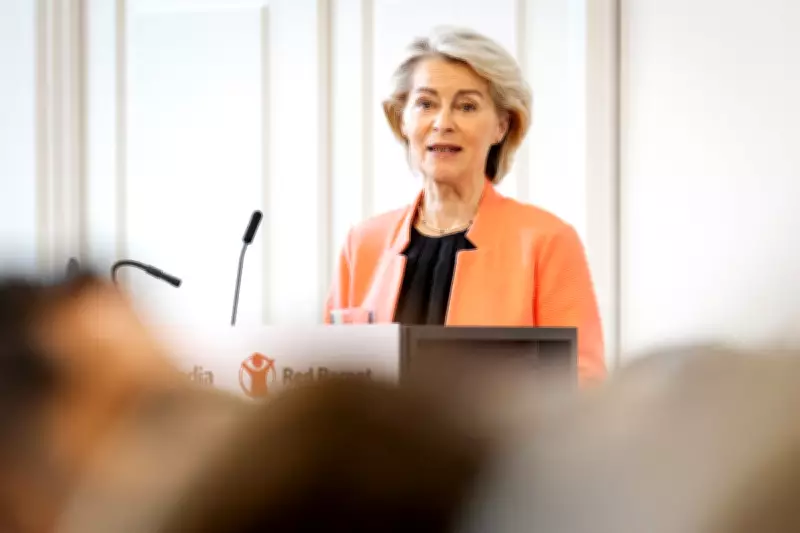
The EU has consistently indicated that the UK would be welcome to rejoin. In 2023, Ursula von der Leyen suggested the UK is on a "direction of travel" toward rejoining, calling Brexit a mistake for the next generation to fix. However, the UK would likely not rejoin on its previous terms. It may be required to adopt the euro and would likely lose the rebate negotiated by Margaret Thatcher in 1984, which reduced Britain's contribution by about 66 percent.

Public Support for Rejoining
Any formal rejoining process would require a referendum. Recent YouGov polling shows 63 percent of Britons want closer EU ties and 55 percent support rejoining. However, if it becomes clear that rejoining would mean accepting less favourable terms—such as adopting the euro or losing the rebate—support could drop significantly, especially as Reform UK would likely campaign against compromises.