The EU and the UK have agreed a draft deal to scrap red tape caused by Brexit checks on products such as sausages, flowers, and leather goods.
A 200-page draft text on removing checks on food and agriculture exports has been handed to EU nations as Prime Minister Andy Burnham seeks a better deal for Britain with the bloc. The PM has refused to rule out a second referendum and claimed "public opinion has changed nationally" since the 2016 Brexit vote.
£5.1bn Boost and New Export Opportunities
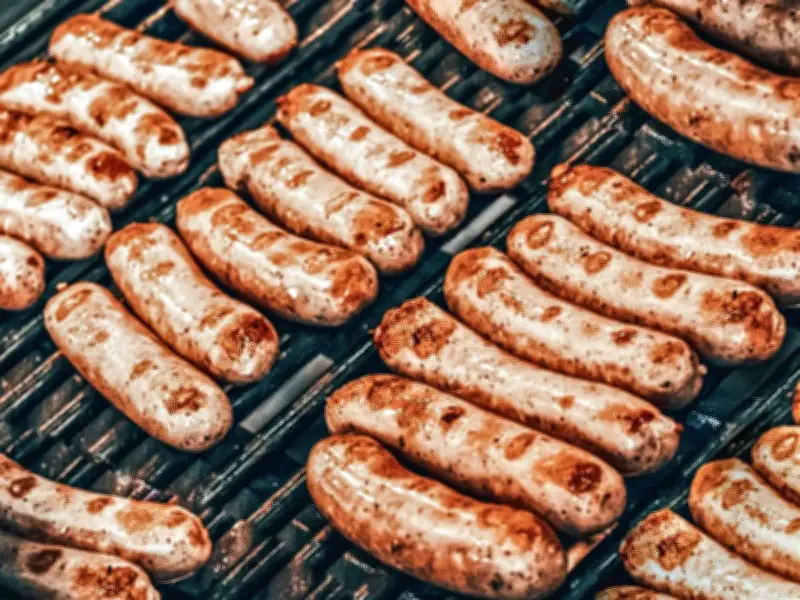
In a deal the government claims will see a £5.1bn boost to the economy, Brits will be allowed to sell the EU fresh sausages, burgers, shellfish and seed potatoes. Similar agreements have been reached on emissions trading and a youth travel and work scheme, along with a draft joint statement announcing the deals for UK and EU top leaders.
Pets and Plant Certificates
The agreement would also bring back passports for British pets being taken into the EU and end the need for expensive certificates showing that plant products are free from pests and diseases. In return, the UK is expected to commit to following existing EU regulations on plant, animal and food trade standards.
The PM insisted he had not proposed the return of freedom of movement between the UK and the EU. In an interview with ITV airing on Tuesday, the Labour leader said: "I have not proposed freedom of movement coming back."
He added: "I do believe that we should have an honest discussion with people about how immigration has changed since the Brexit vote because the shorter term migration of people coming from Europe and then going back has been replaced with long term settlement in bigger numbers, and that was the Boriswave."
Lib Dem Response
The agreement was welcomed by the Lib Dems, but they warned it was "a patch, not a fix". Liberal Democrat Europe Spokesperson, Dr Al Pinkerton MP, said: "Scrapping the Brexit red tape strangling British food exporters is long overdue. For years, unnecessary trade barriers have held back British farmers and businesses, while families have faced higher food prices and less variety on supermarket shelves."
He added: "The real solution is to rejoin the single market and to establish a customs union with the EU. Ministers must now drop their self-imposed red lines and recognise that Britain's economic future depends on rebuilding our relationship with our closest neighbours."