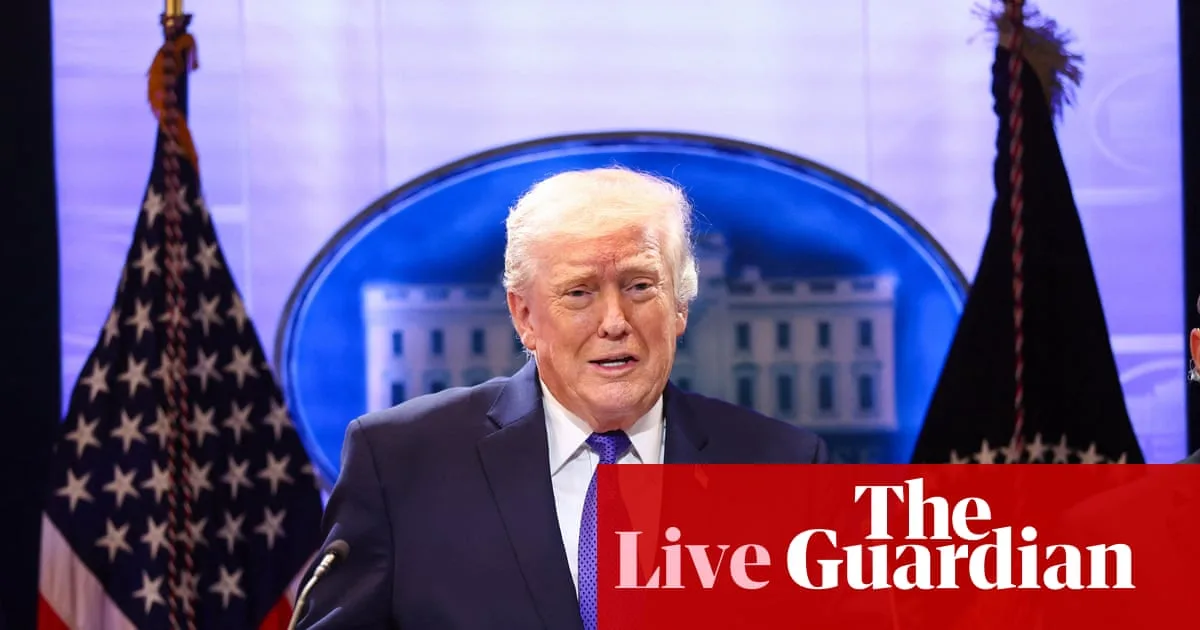
Trump Threatens 50% Tariffs on Iran's Weapons Suppliers Despite Court Ban
Trump's Tariff Threat on Iran Allies Defies Supreme Court Ruling

Trump's Defiant Tariff Threat Against Iran's Military Suppliers

Former President Donald Trump has issued a stark warning to countries providing military weapons to Iran, threatening to impose immediate 50% tariffs on all their goods sold to the United States. In a post on his Truth Social platform, Trump declared: "A Country supplying Military Weapons to Iran will be immediately tariffed, on any and all goods sold to the United States of America, 50%, effective immediately. There will be no exclusions or exemptions!"

Supreme Court Ruling Limits Presidential Powers

This aggressive stance comes despite a significant legal setback for Trump's tariff authority. In February, the Supreme Court struck down his ability to impose tariffs immediately and unilaterally, ruling such actions unlawful. Trump had previously utilized an "emergency powers" law to bypass congressional approval when implementing blanket tariffs worldwide.

Fragile Ceasefire Amid Continued Hostilities

The tariff threat emerges against the backdrop of a delicate international situation. Iran, the United States, and Israel recently agreed to a two-week ceasefire—an eleventh-hour agreement that prevented Trump's threatened bombing campaign against Iranian civilization. However, this fragile peace was immediately tested when Iran and Gulf Arab nations reported new attacks just hours after the ceasefire announcement.

Wide Pickt banner — collaborative shopping lists app for Telegram, phone mockup with grocery list

Vice President JD Vance described the agreement as "fragile," and uncertainty persists as conflicting interpretations of the terms have emerged from different parties. Both the United States and Iran have portrayed the truce as a victory, with Tehran imposing strict conditions including reopening the Strait of Hormuz to tankers under Iranian supervision.

Nuclear Program and Regional Tensions

Complicating matters further are discrepancies in ceasefire documents regarding Iran's nuclear program. While Trump initially praised what he called a "workable" 10-point plan from Iran, he later denounced it as fraudulent when a Farsi version suggested Iran could continue uranium enrichment—a crucial step toward nuclear weapons capability.

Iran's demands for ending hostilities include withdrawal of US combat forces from the region, lifting of sanctions, and release of frozen assets. Trump indicated willingness to discuss "Tariff and Sanctions relief with Iran," though Western allies may resist such concessions.

Strategic Importance of the Strait of Hormuz

The conflict has highlighted Iran's strategic advantage in controlling the Strait of Hormuz, through which 20% of global oil and natural gas trade passes during peacetime. Iranian attacks and threats have deterred commercial shipping, disrupting the world economy and increasing pressure on Trump to resolve the standoff.

The ceasefire may formalize a fee-charging system in the strait that Iran implemented during the conflict, potentially providing Tehran with new revenue streams for reconstruction. This arrangement would represent a significant departure from decades of treating the waterway as an international passage free for transit.

Regional Reactions and Continuing Violence

Israel has backed the US-brokered ceasefire with Iran, though Prime Minister Benjamin Netanyahu clarified that the agreement doesn't cover fighting against Hezbollah. Meanwhile, Gulf Arab states including Bahrain, Kuwait, Saudi Arabia, and the United Arab Emirates reported incoming missile attacks from Iran shortly after the ceasefire announcement.

An oil refinery on Iran's Lavan Island—a crucial export terminal—came under attack, though responsibility remains unclear. The United Arab Emirates activated air defenses against Iranian missile barrages, while Kuwait responded to extensive drone attacks.

Human Cost and Ongoing Challenges

The conflict has exacted a heavy human toll, with more than 1,900 reported deaths in Iran as of late March, over 1,500 in Lebanon where Israel battles Iran-backed Hezbollah militants, and dozens more across Gulf Arab states, the occupied West Bank, Israel, and among US service members.

Pickt after-article banner — collaborative shopping lists app with family illustration

Trump has suggested that American warships will remain "hangin' around" the Strait of Hormuz, potentially creating future flashpoints. While the ceasefire announcement temporarily reduced oil prices, they remain elevated compared to pre-conflict levels, reflecting persistent uncertainty about the region's stability.




