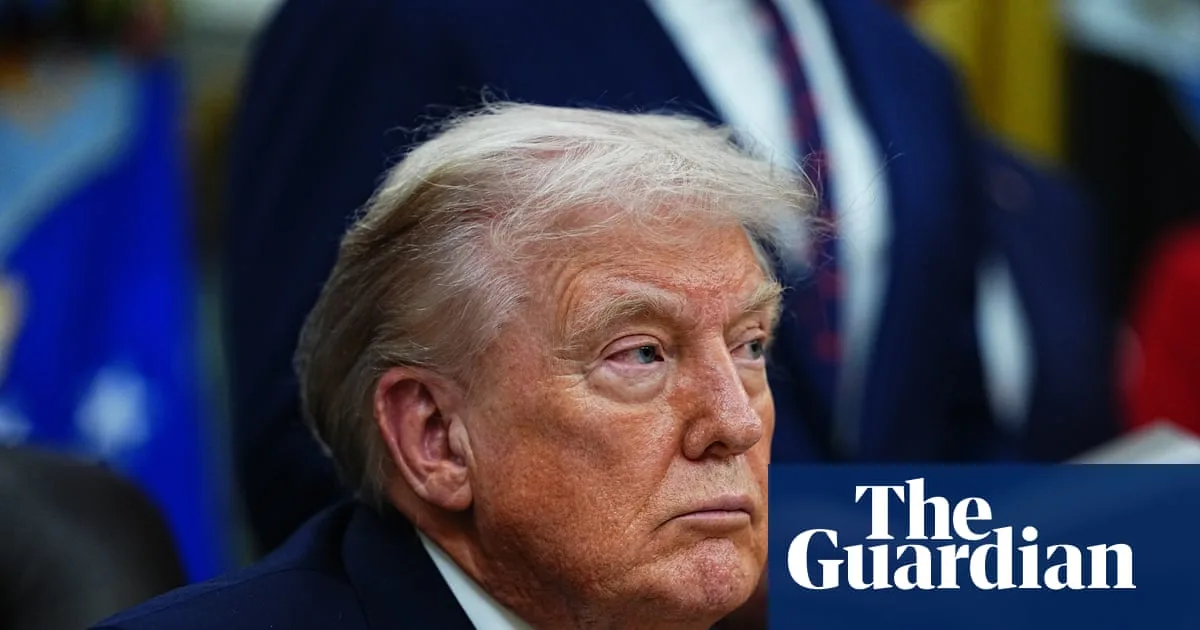
In a significant escalation of pressure on the Communist government of Cuba, former President Donald Trump has signed an executive order that paves the way for imposing tariffs on goods from countries that provide oil to the island nation. The order was issued from the Oval Office of the White House in Washington DC on Thursday, marking a bold move in Trump's ongoing campaign to destabilise the Cuban regime.
National Emergency Declared Over Cuba's Oil Imports
The executive order formally declares a national emergency, citing what the White House describes as an unusual and extraordinary threat to US national security and foreign policy. This declaration establishes a legal framework for the US secretaries of state and commerce to assess and implement tariffs against nations that continue to sell or otherwise supply petroleum products to Cuba.
The White House statement specifically pointed to Cuba's alleged connections with hostile powers including Russia, Hamas, and Hezbollah as justification for this aggressive new policy. While exact tariff rates have not yet been specified, the order creates a mechanism to penalise countries that violate the US policy of blocking Cuba's access to international oil markets.
Economic Pressure Mounts on Caribbean Nation
Cuba, an import-dependent Caribbean nation of approximately 8 million people with an $85 billion GDP comparable to that of Rhode Island, faces severe economic challenges. The country has already implemented gasoline rationing and limited daily electricity blackouts as it struggles with dwindling oil supplies. According to Financial Times reports, Cuba maintains only 15 to 20 days worth of oil in inventory, leaving the nation particularly vulnerable to supply disruptions.
The economic pressure has intensified following the arrest of Venezuelan leader Nicolás Maduro and his wife by US forces, which resulted in Cuba losing access to its principal oil supplier. Venezuela had been providing approximately 70,000 barrels per day to Cuba last year, though reports indicate Cuba resold much of this supply. Tourist visits to the island have plummeted amid the economic turmoil and Trump's openly stated goal of toppling the communist government.
Mexico's Response and Regional Implications
The Trump administration had been pressuring other nations to cease oil shipments to Cuba in the weeks leading up to Thursday's announcement. Trump has engaged in particularly contentious discussions with Mexican President Claudia Sheinbaum regarding this issue. Sheinbaum has maintained that Mexico's state oil company, Pemex, will honour existing contractual obligations with Havana and may continue providing oil for humanitarian purposes.
"The humanitarian aid will continue, as it does to other countries," Sheinbaum stated at a recent press conference. "Mexico has always shown solidarity with the entire world. They are sovereign decisions." Despite this stance, Sheinbaum acknowledged that Mexican oil shipments to Cuba have temporarily paused.
Mexico has been a significant supplier to Cuba, providing approximately 20,000 barrels per day through most of last year according to NPR reports. This represents nearly a third of what Venezuela supplied before the disruption. The situation highlights the complex geopolitical dynamics at play as the US seeks to isolate Cuba economically while other nations assert their sovereign right to maintain trade relationships.
Political Context and Future Implications
The executive order represents the latest chapter in Trump's longstanding opposition to the Cuban government, which has ruled the country for six decades since the 1959 revolution that brought Fidel Castro to power. US Secretary of State Marco Rubio, whose parents emigrated from Cuba to Miami before the revolution, has been a particularly vocal critic of the regime.
"Cuba will be failing pretty soon," Trump told reporters earlier this week. "They got their money from Venezuela. They got the oil from Venezuela. They're not getting that anymore." This statement underscores the administration's confidence that economic pressure will ultimately achieve political change in Cuba.
The new tariff policy establishes a potentially significant tool in US foreign policy, allowing for economic measures against third countries that maintain trade relationships with nations deemed hostile to American interests. As the process for implementing tariffs develops, international observers will be watching closely to see how other nations respond and whether this approach accelerates the economic challenges facing the Cuban government.




