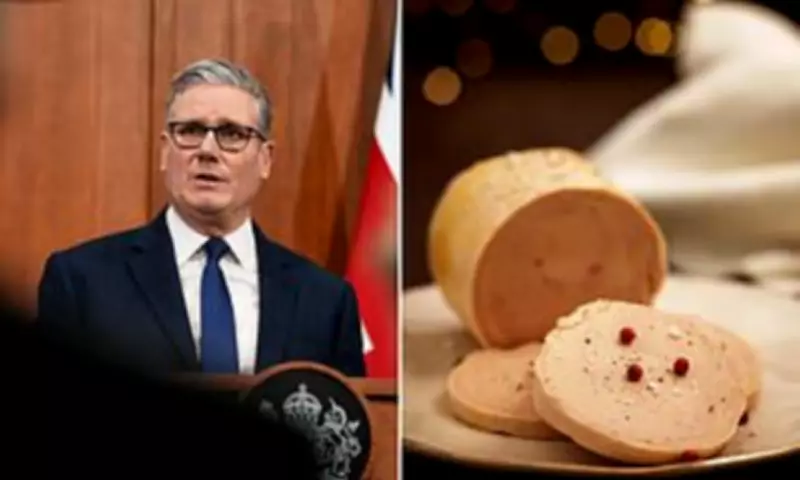
Labour's Foie Gras Ban Faces Reversal in EU Trade Negotiations
Sir Keir Starmer is preparing to abandon his controversial plan to prohibit imports of foie gras and fur, as part of a strategic effort to secure a comprehensive trade agreement with the European Union. This potential policy U-turn marks a significant shift from Labour's general election promise to tackle animal cruelty by banning foie gras imports, a practice outlawed in the UK two decades ago.
Trade Talks Trump Animal Welfare Pledges
Ministers are reportedly reconsidering their commitment to the import ban, while officials engage in crucial negotiations with Brussels regarding food standards. These discussions form a key component of the Prime Minister's broader 'reset' initiative with the EU, aimed at strengthening ties amidst global uncertainties, including the political landscape influenced by figures like Donald Trump.
Sir Keir recently emphasized the necessity of closer European cooperation during a Downing Street press conference, citing the Middle East crisis as a catalyst for enhanced alignment. He announced that an upcoming UK-EU summit this summer would develop an 'ambitious' package to foster deeper integration, covering areas such as the previously announced food and drink standards agreement, alongside energy and carbon market coordination.

Brussels Demands Concessions on Foie Gras
The European Union has explicitly demanded that Britain drop its proposed ban on foie gras imports, a product predominantly manufactured in France through the force-feeding of ducks and geese to artificially enlarge their livers. Animal welfare organizations condemn this practice as exceptionally cruel, noting that livers can expand up to ten times their natural size, leading to severe distress, respiratory issues, and increased mortality rates among the birds.
Under the terms of the prospective agreement with the EU, the UK would require a special exemption from Brussels to maintain any import prohibition, as European regulations generally forbid member states from blocking each other's food products based on animal welfare grounds. Sources indicate that it is more probable for the UK to abandon the foie gras ban entirely to gain concessions in other negotiation areas.
Internal Pressure and Political Divisions
Housing Secretary Steve Reed had previously affirmed Labour's intention to 'ban the commercial import of foie gras, where ducks and geese are aggressively force-fed.' However, Sir Keir has faced substantial pressure from senior Labour figures advocating for a closer relationship with Brussels. Deputy Prime Minister David Lammy and Health Secretary Wes Streeting have both expressed support for rejoining the customs union, while London Mayor Sir Sadiq Khan has urged the party to make EU re-entry a central plank of its next election manifesto.
Cabinet Office minister Nick Thomas-Symonds, leading the talks with Brussels, reported 'very significant progress' in discussions. He expressed confidence in reaching agreements on youth mobility, emissions trading, and the food and drink accord, predicting a finalized deal at the 2026 annual summit. Sir Keir's recent conversation with EU Commission President Ursula von der Leyen further underscores the ongoing efforts to advance these negotiations.
This potential policy reversal highlights the complex balancing act between upholding domestic animal welfare commitments and securing advantageous trade terms with the European Union, as the UK navigates its post-Brexit economic and diplomatic landscape.