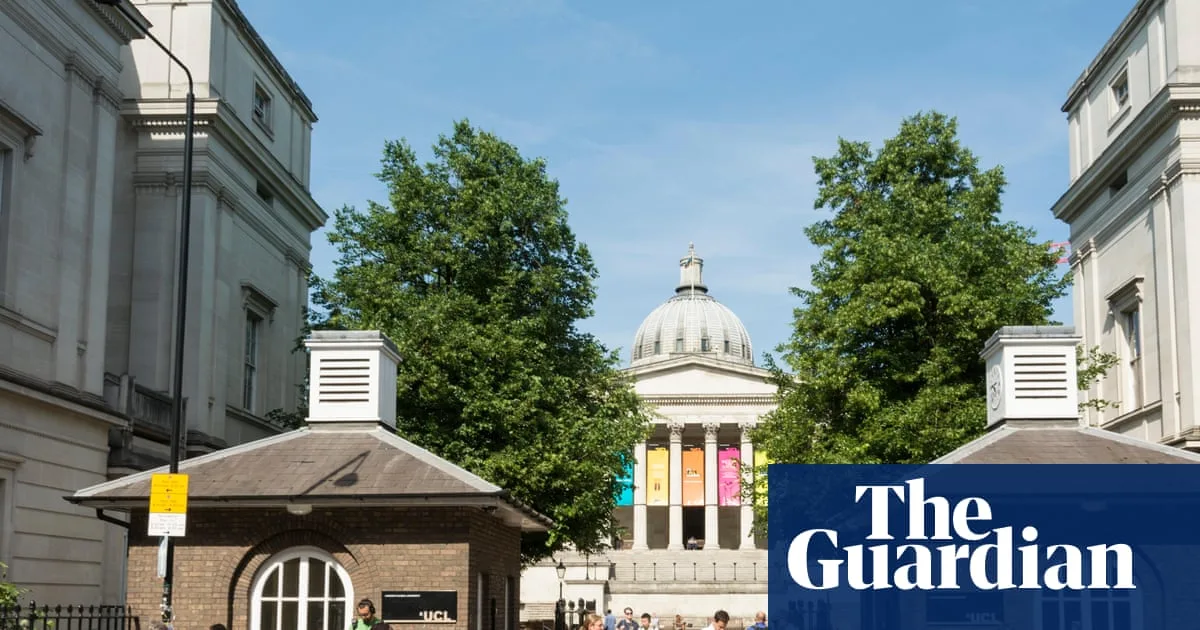
Starmer Faces Pressure Over EU Student Fee Demands in Brexit Reset
Starmer Pressured on EU Student Fees in Brexit Reset

Prime Minister Sir Keir Starmer is under mounting pressure to resist European Union demands for significant reductions in tuition fees for EU students studying in the United Kingdom, as part of his ongoing Brexit 'reset' negotiations. Critics warn that conceding to these demands could inflict a severe financial blow of approximately £580 million on the UK's higher education sector, which is already grappling with considerable economic strain.

Financial Implications for Universities

Since the UK's departure from the European Union, students from EU nations have been required to pay international tuition fees, which range from £11,400 to £32,000 annually. This stands in stark contrast to the domestic rate of £9,535 per year for British students. The EU is now advocating for these fees to be lowered to domestic levels as a component of a proposed youth mobility agreement, known as the 'youth experience scheme'.

This scheme, which Sir Keir has agreed to in principle, aims to facilitate opportunities for individuals aged 18 to 30 from the EU to live, work, and study in the UK, with reciprocal arrangements for young Britons in EU countries. However, negotiations have encountered significant obstacles primarily centred on the contentious issue of tuition fee parity.

Political and Public Sentiment

The Labour government is navigating a delicate political landscape, as granting fee discounts to EU students could provoke backlash from British graduates burdened by substantial student loan debt. Recent polling data from YouGov underscores public concern, revealing that 44% of Britons believe the government should consider writing off some or all student debt.

Furthermore, the survey indicates widespread dissatisfaction with current higher education costs, with 68% of respondents deeming the £9,000 annual tuition fees for domestic students in England excessively high, and 76% criticising the 6% interest rates on certain student loans as unreasonable.

Stance from Negotiators and Sector Representatives

Pedro Serrano, the EU ambassador to the UK, has publicly called for domestic fee rates to be extended to European students to ensure British universities remain 'accessible' to them. In response, Nick Thomas-Symonds, the Cabinet Office minister overseeing negotiations with Brussels, has firmly stated that this issue is 'not something that's up for discussion'.

Despite this, there are apprehensions within the university sector that the Labour administration might compromise on tuition fees to secure agreements in other areas of the Brexit reset, such as a new agricultural pact intended to reduce supermarket prices.

Economic Warnings from the Russell Group

Modelling conducted by the Russell Group of UK universities, and shared with The i Paper, projects that aligning EU student fees with domestic rates would cost the higher education sector around £580 million. Hollie Chandler, director of policy at the Russell Group, described the youth experience scheme as a potential 'win-win with real benefits for young people'.

However, she emphasised the necessity for the government to maintain a firm stance against the EU's demands. 'Granting home fee status to EU students would have a bigger impact on university finances than the proposed tax on international student income, at a time when universities are already under significant financial pressure,' Chandler cautioned.

She further warned, 'Taking another £580million out of UK higher education would put investment in teaching and R&D at further risk, potentially damaging economic growth. We've long been in favour of closer ties with the rest of Europe – but for universities to play their full part, they have to be financially sustainable.'

Broader Brexit Context and Government Response

Sir Keir's efforts to recalibrate the UK's relationship with the EU through his 'reset' agreement have attracted accusations of Brexit 'betrayal' from some quarters. The Prime Minister has defended his approach, characterising the previous Conservative government's Brexit deal as 'botched' and criticising unfulfilled promises made by Brexiteers.

A UK Government spokesman commented, 'We are working together with the EU to create a balanced youth experience scheme which will create new opportunities for young people to live, work, study and travel. Any final scheme must be time-limited, capped and should be based on our existing youth mobility schemes, which do not include access to home tuition fee status. We will not give a running commentary on ongoing talks.'

The YouGov survey, which informed part of this analysis, was conducted between 29 and 30 January, interviewing 2,024 British adults to gauge public opinion on these critical issues affecting higher education and international relations.




